Dhumdhar Kandi Pass Trek

Trek Details

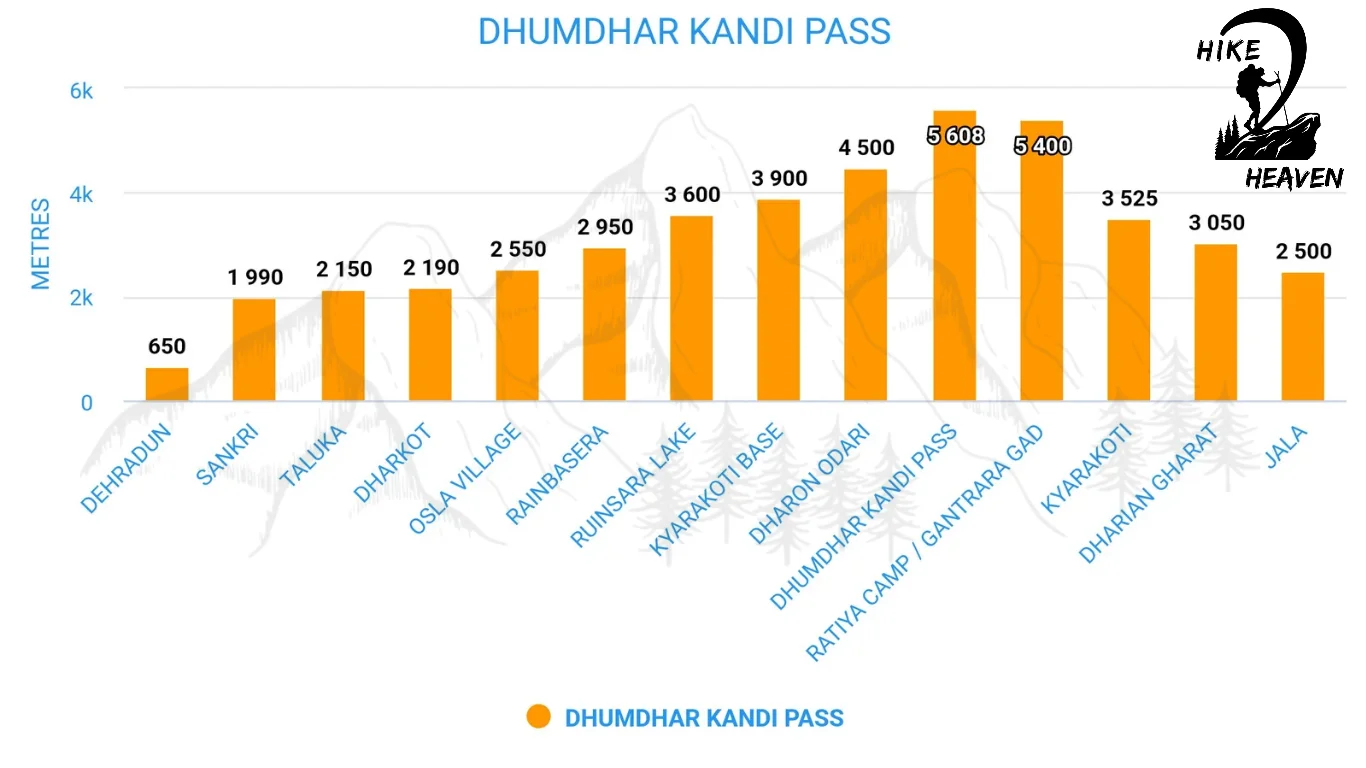
Duration

12 Days / 11 Nights

Max Altitude

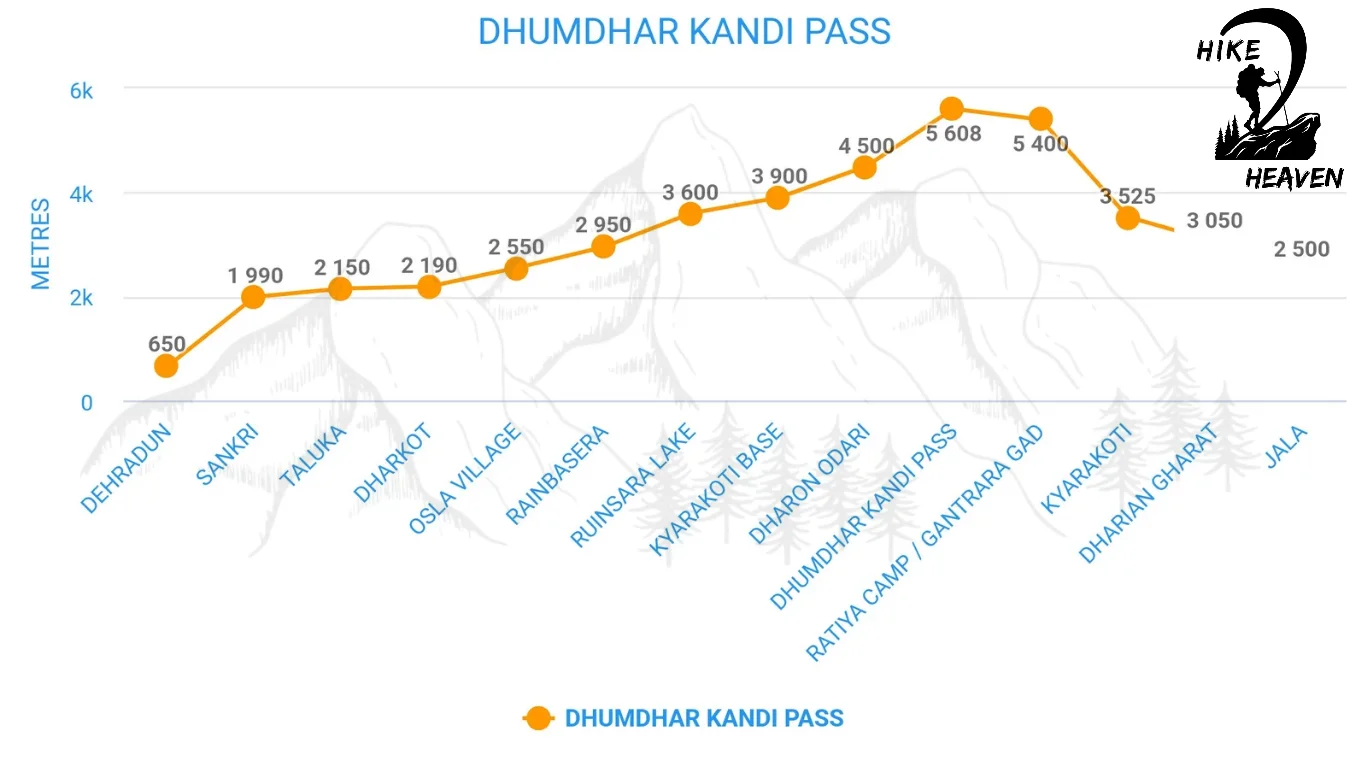
5608 m

Trek Length

56 KM

Difficulty

Hard

Best Season

May To June and September To October

Start Point

Taluka, gangad village

End Point

Jala , Harsil

Nearest Railway

Dehradun

Nearest Airport

Jolly Grant

  • Overview
  • Itinerary
  • Inclusion
  • How To Reach
  • Map
  • Policy
  • Packing List
  • FAQs

Best Months for this Trek

Open Closed

Overview

Your Adventure at a Glance

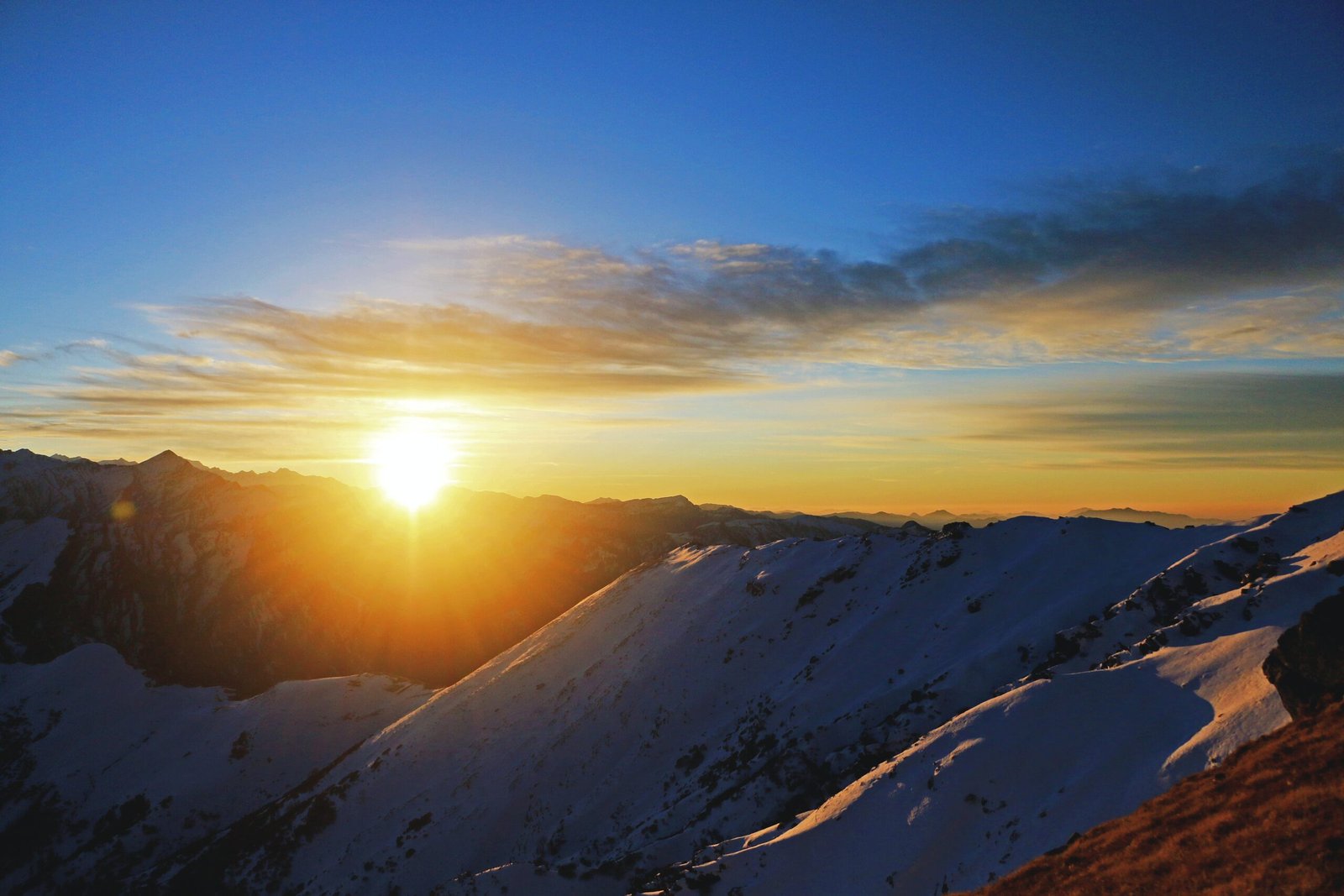
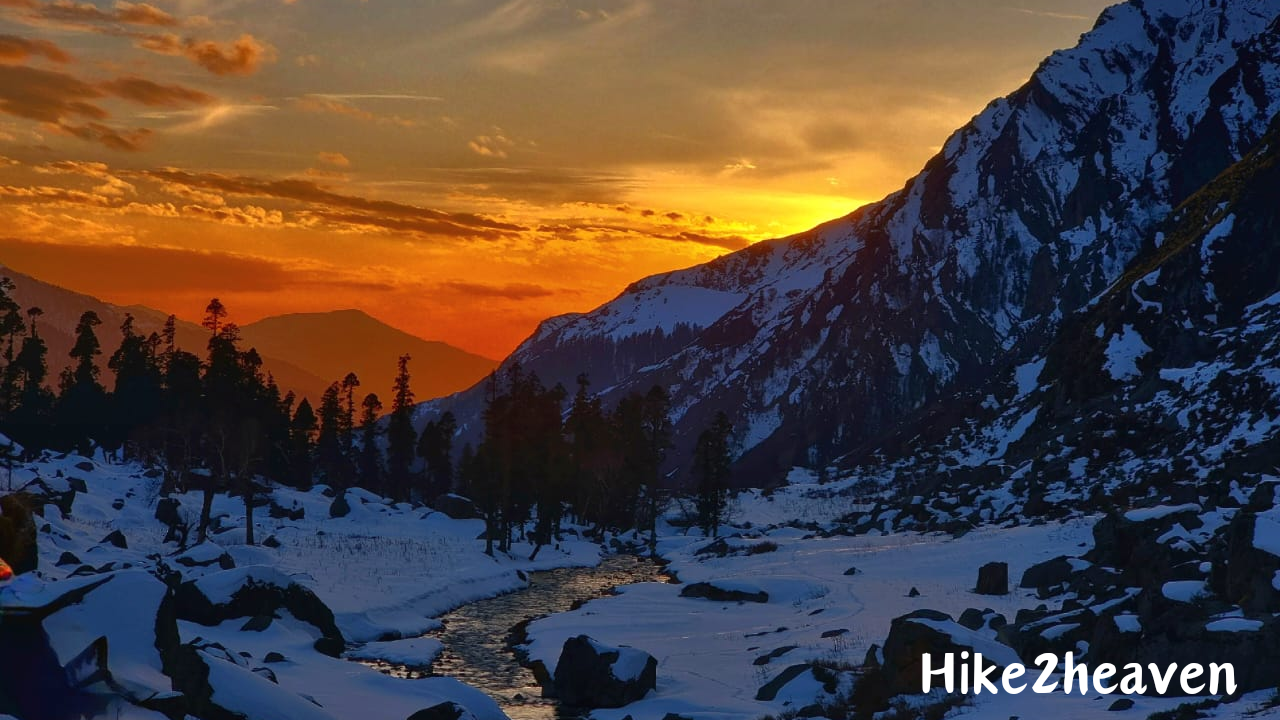
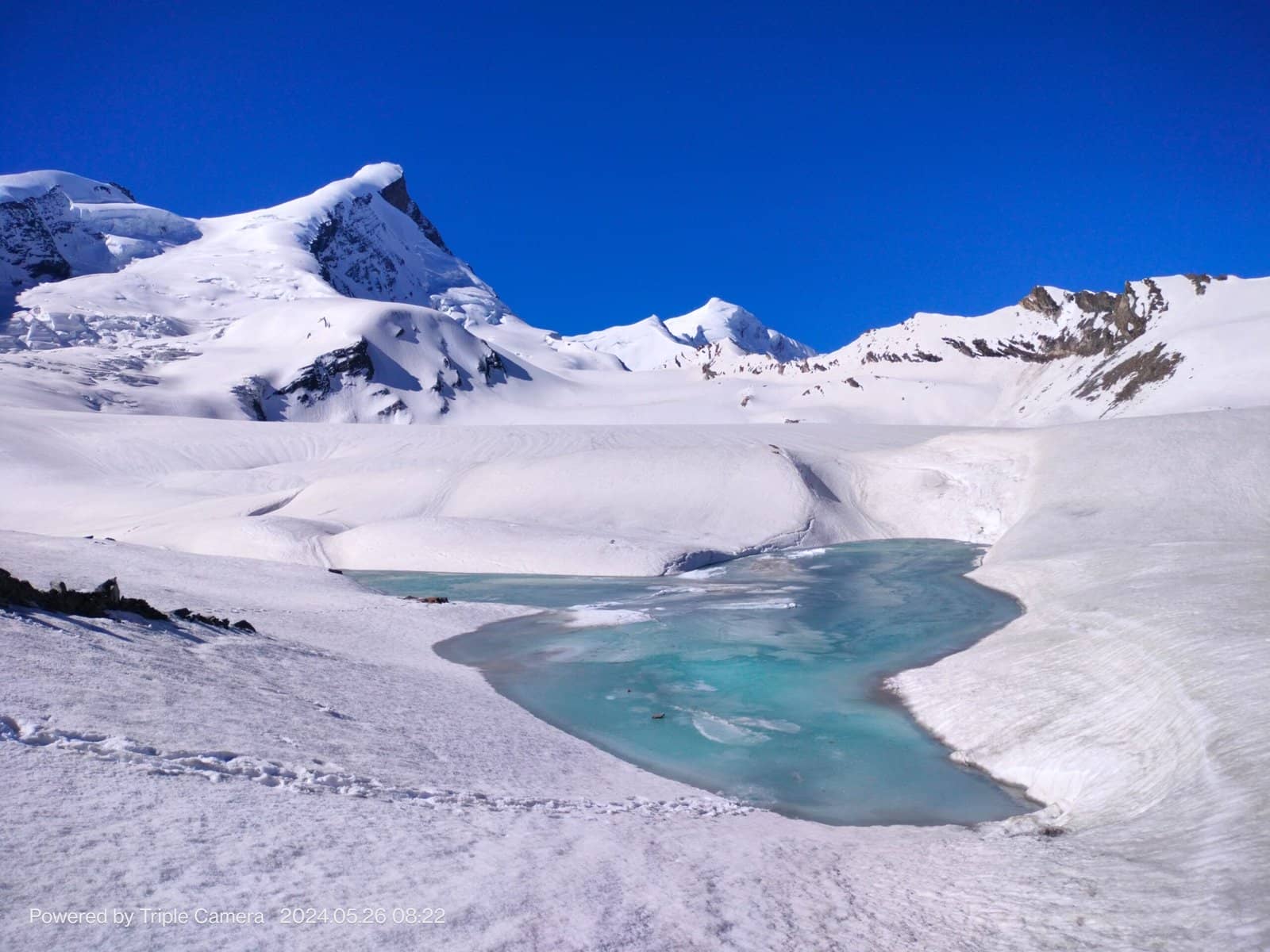
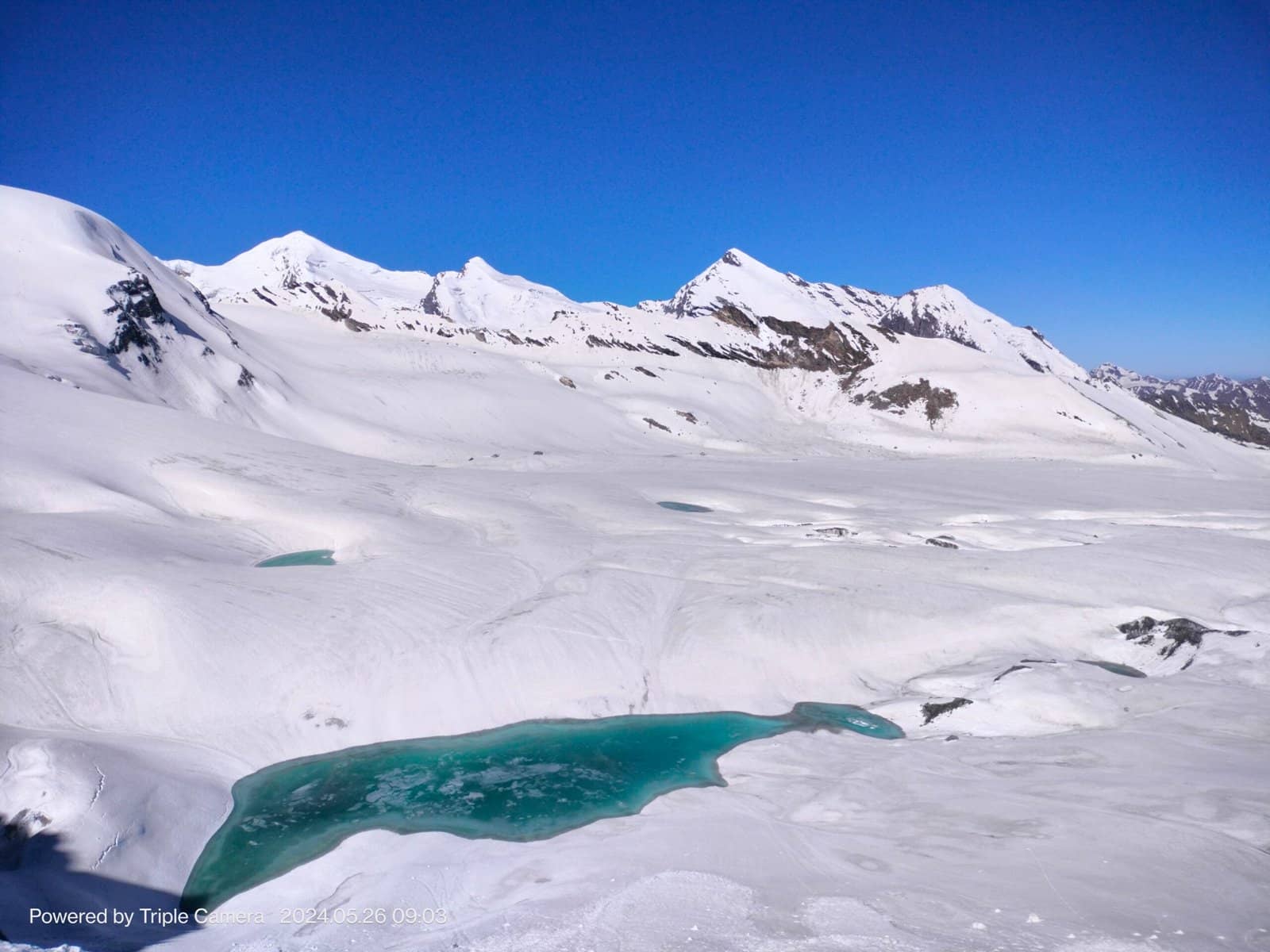
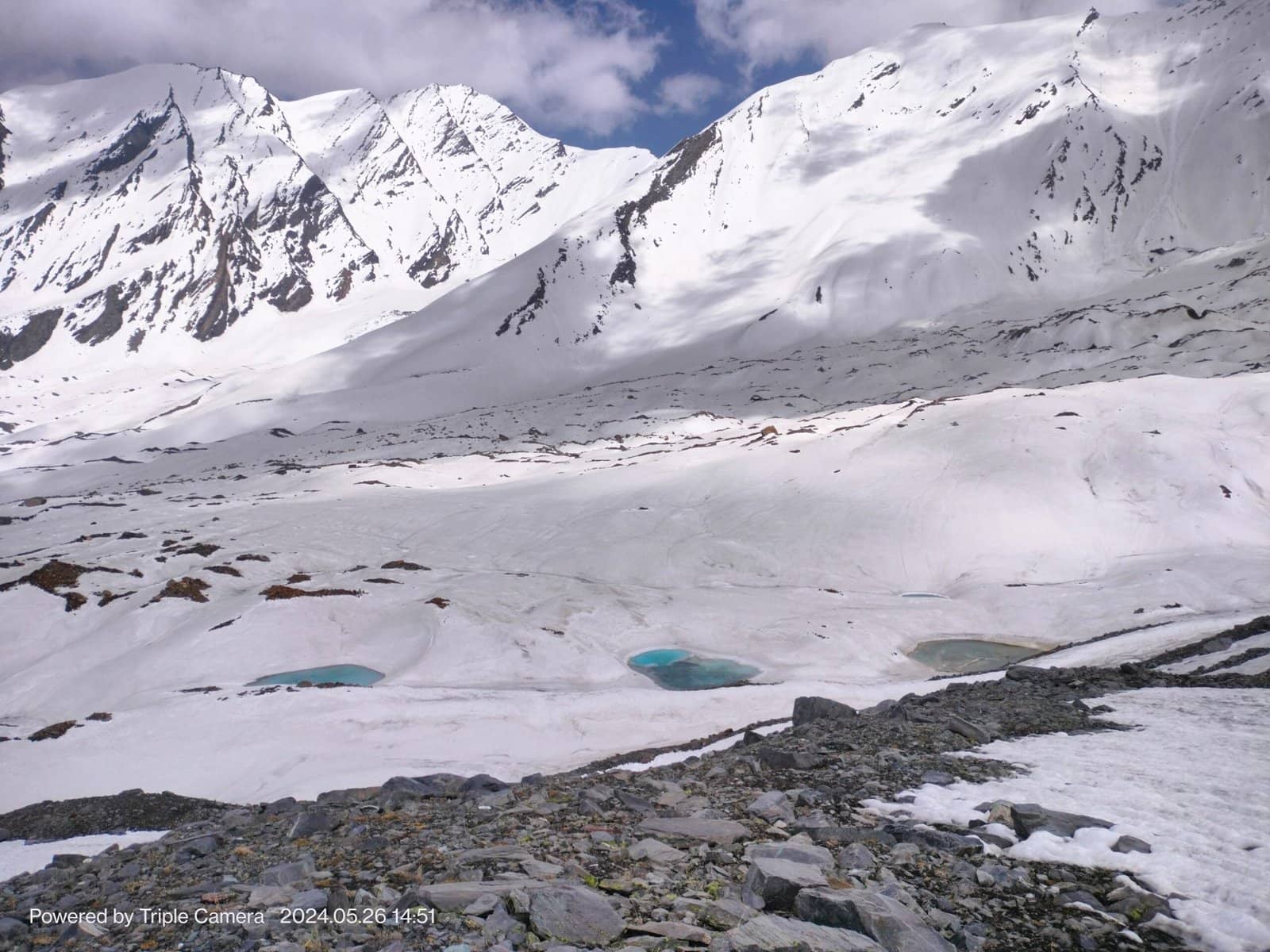
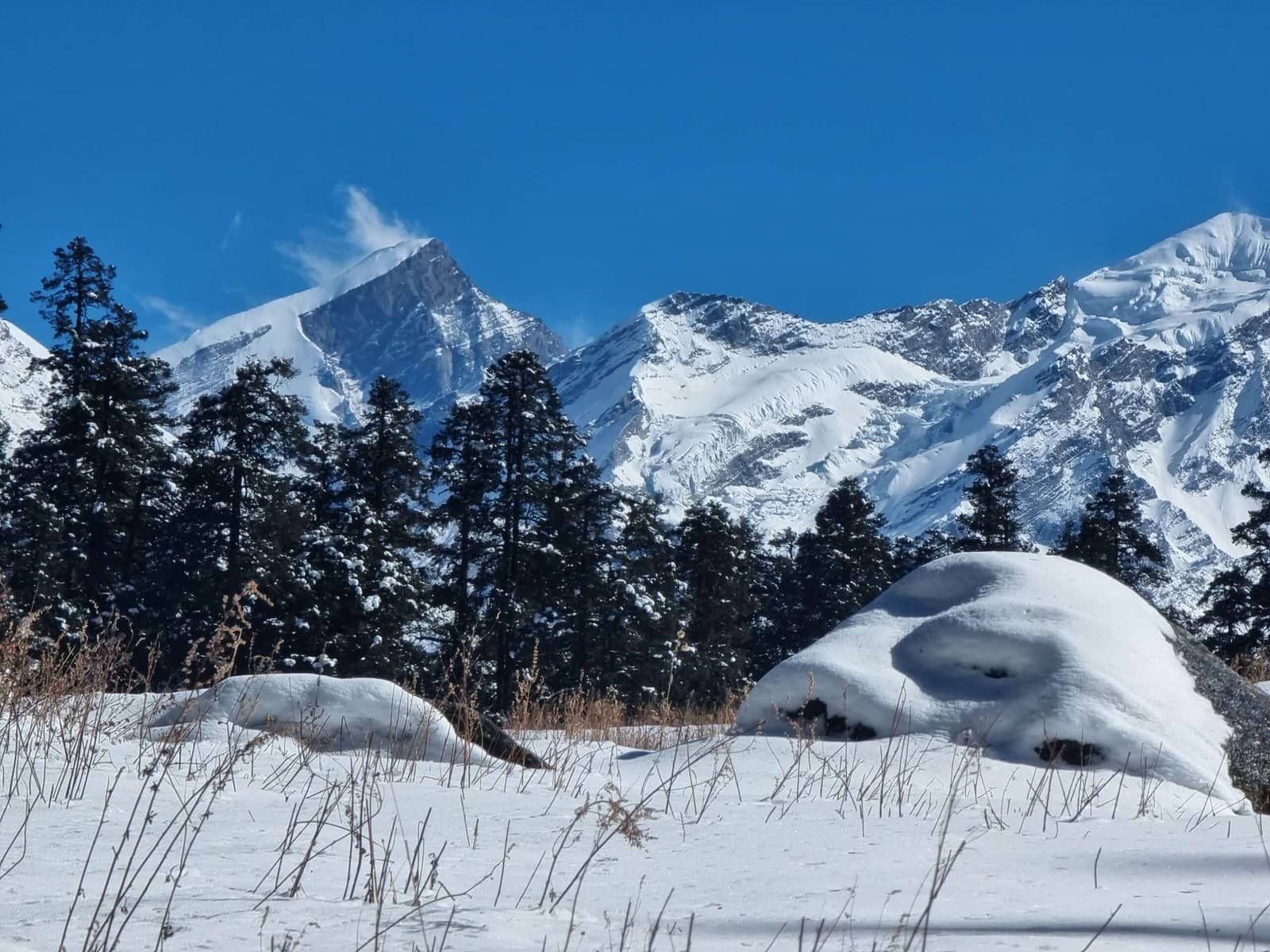
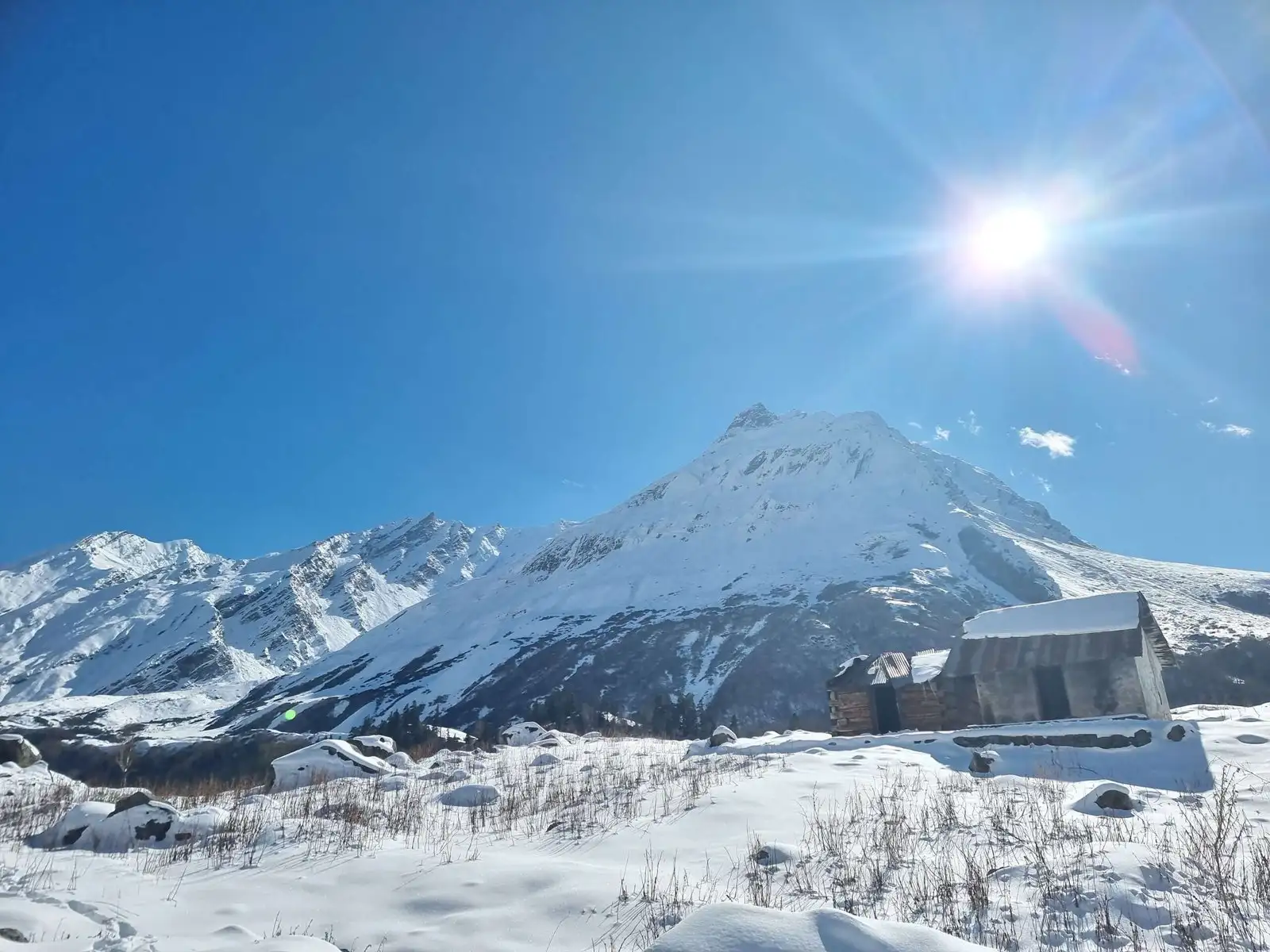
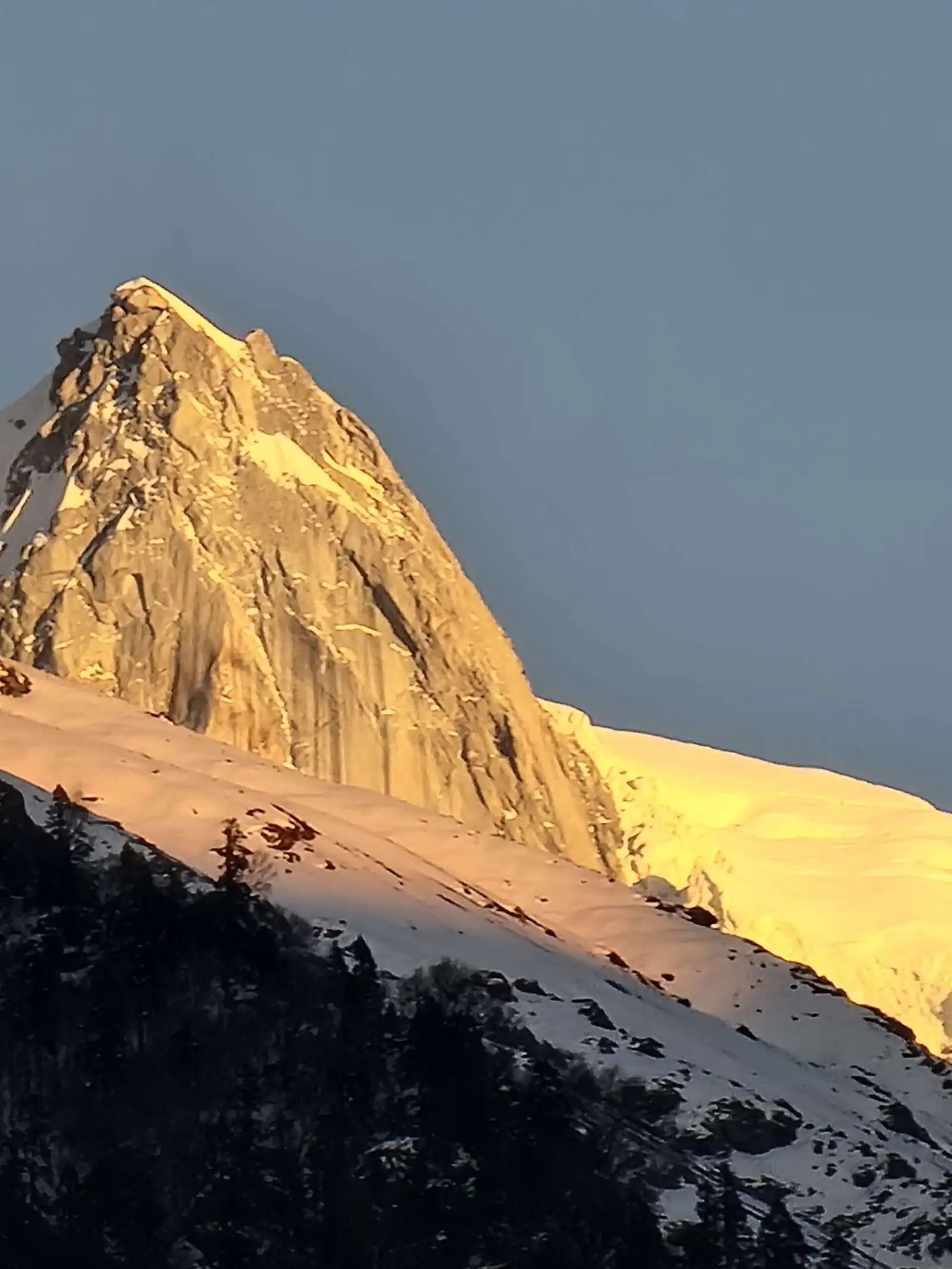
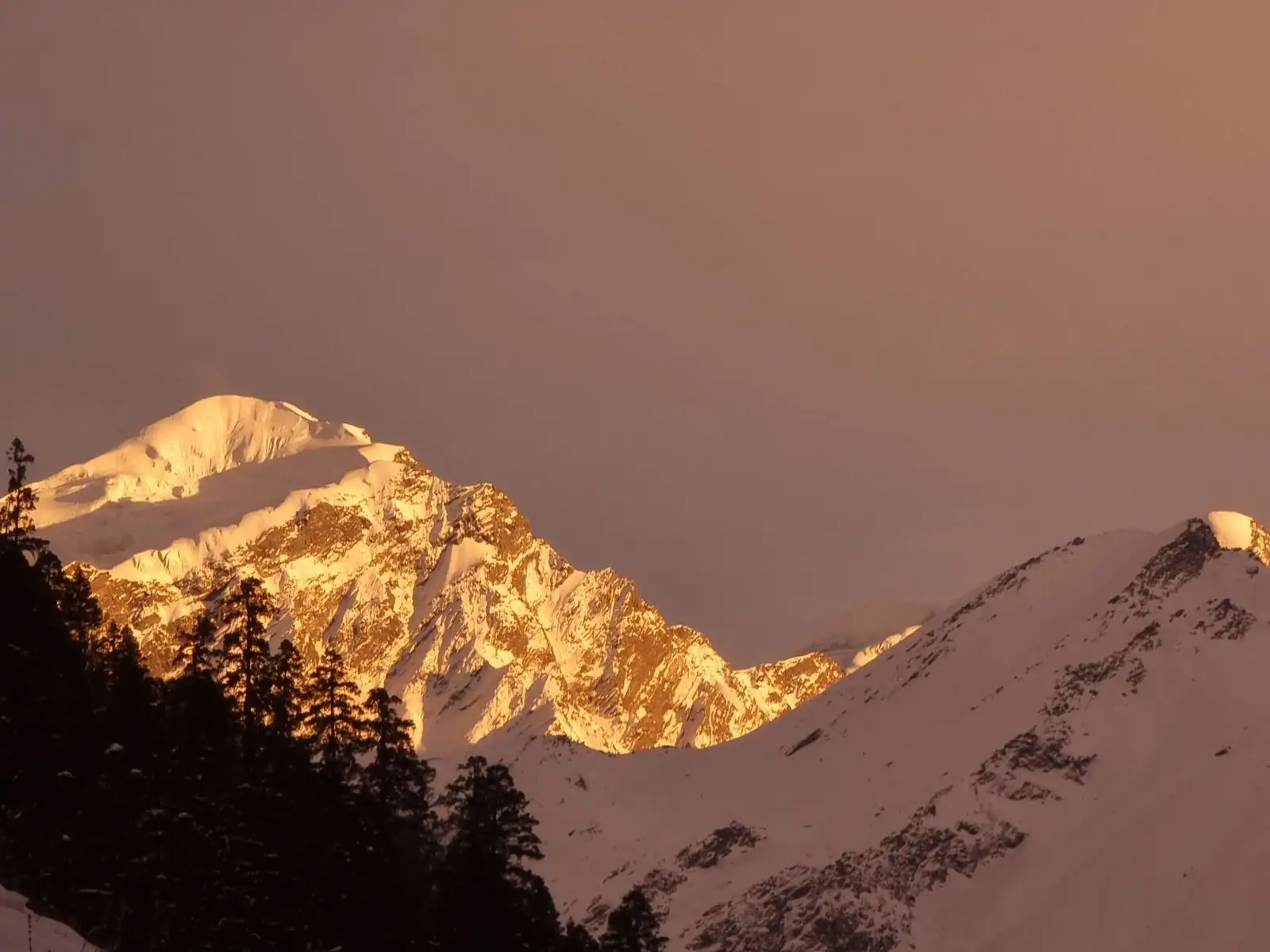
Dhumdhar Kandi Pass, locally known as the “Smoky Ridge Forest”, is a high altitude pass of 5608MT connecting the holy pilgrimage sites of Gangotri and Har ki dun valley in Uttarakhand. This mighty pass served as an ancient route for villagers from Uttarkashi and Gangotri to reach the remote Tons Valley. The unique aspect of this trek is the Kalanag (Black Peak) glacier and the glacier from Swargorohini and Bandarpoonch on either side of the Dhumdhar Kandi Pass feed the two mighty rivers of Bhagirathi and Yamuna.

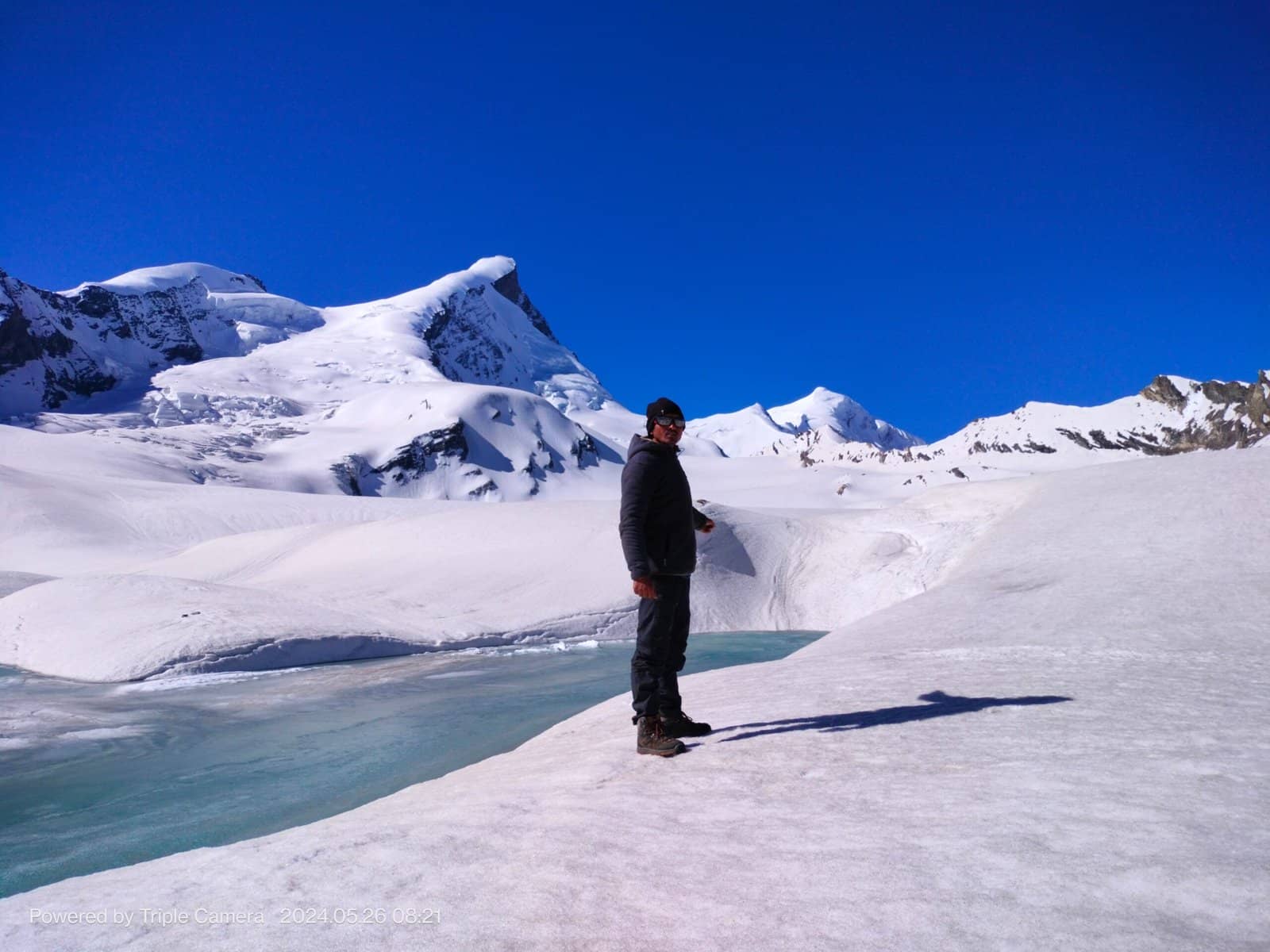
The pass is at the base of two renowned peaks of the Garhwal Himalayas, Kalanag and Swargarohini. Known for its complicated terrain and disposition along with unpredictable weather, the Dhumdhar Kandi Pass trek is meant for experienced trekkers only who are familiar with the use of ice axes, and microspikes along with a good physical and mental endurance. Known for its unexplored trail and challenging topography, the Dhumdhar Kandi Pass trek is an adventurist’s dream.
About the Trek

Mythology, Best Time More

Significance

Mythological Importance

Mythological aspect of the Kedartal trek lies in its connection to the epic Mahabharata. It is said that after the Kurukshetra War, the Pandavas, accompanied by Lord Krishna, ascended to the Himalayas on a journey to attain salvation.

During their pilgrimage, they visited Kedartal, where the eldest Pandava, Yudhishthira, was tested by a disguised Lord Yama, the god of death, in the form of a dog. This test symbolizes the trials and tribulations one must overcome in the pursuit of righteousness and enlightenment, adding a rich layer of mythology to the spiritual significance of the trek.

Months

Best Time

The best time to visit Kedartal is from May to October, with the summer months offering the most favorable weather conditions for trekking and exploration.

Day-by-Day Plan

Trek Itinerary

Day 1

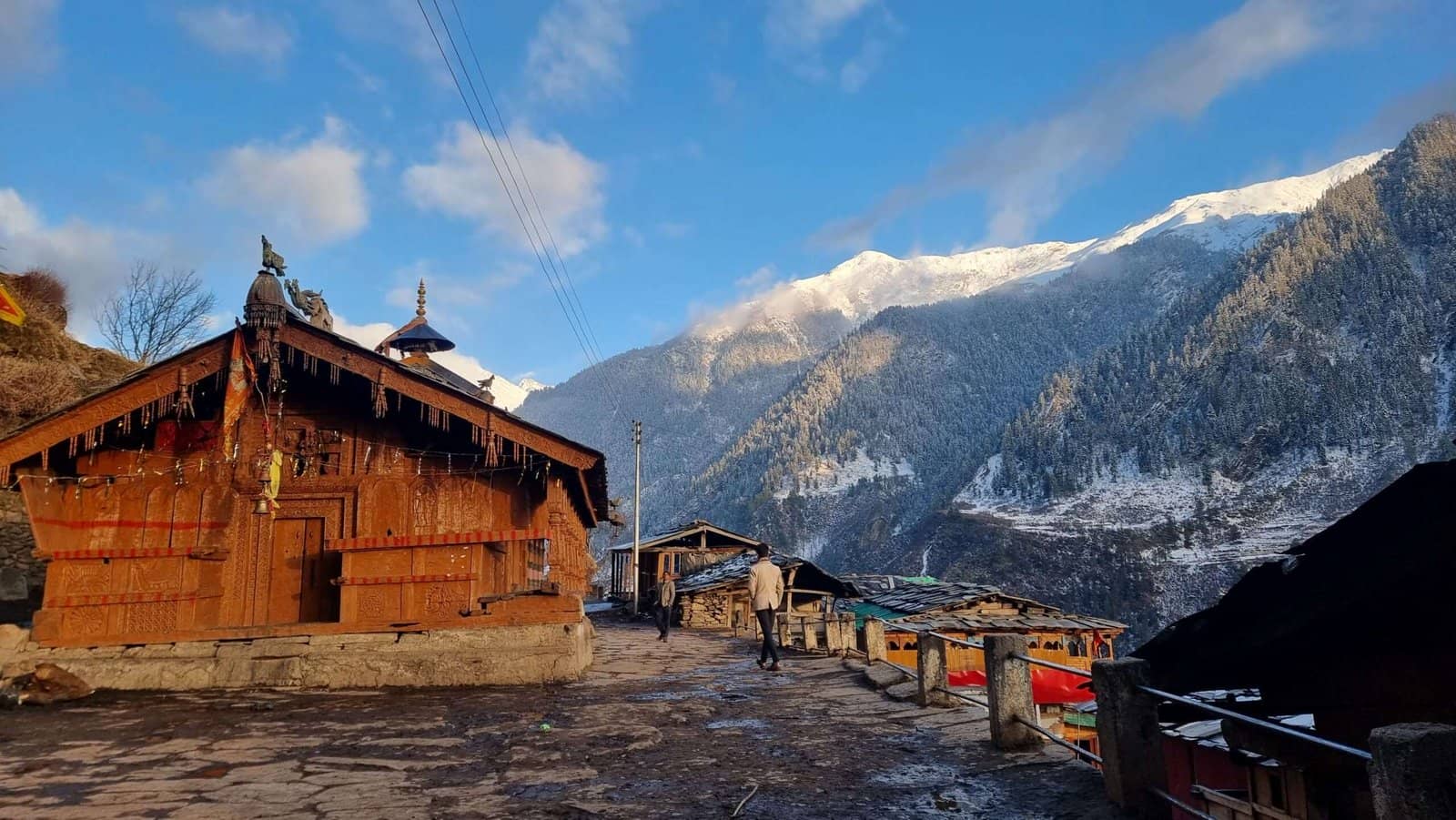
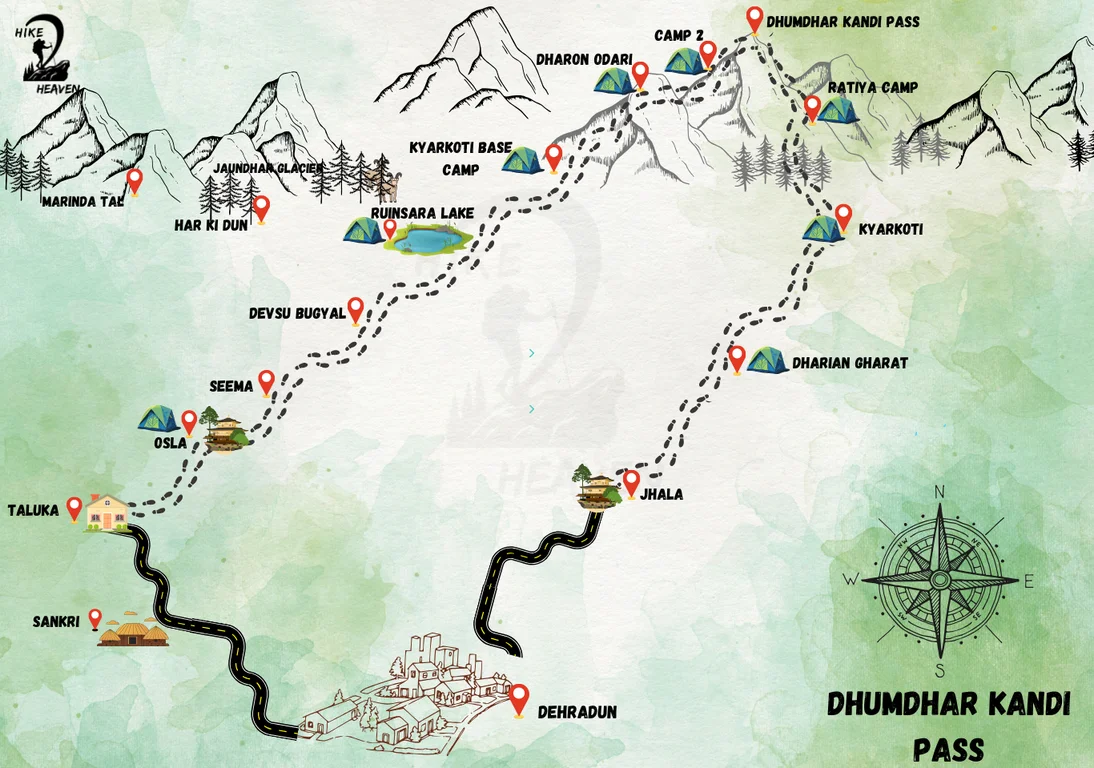
DEHRADUN TO SANKRI

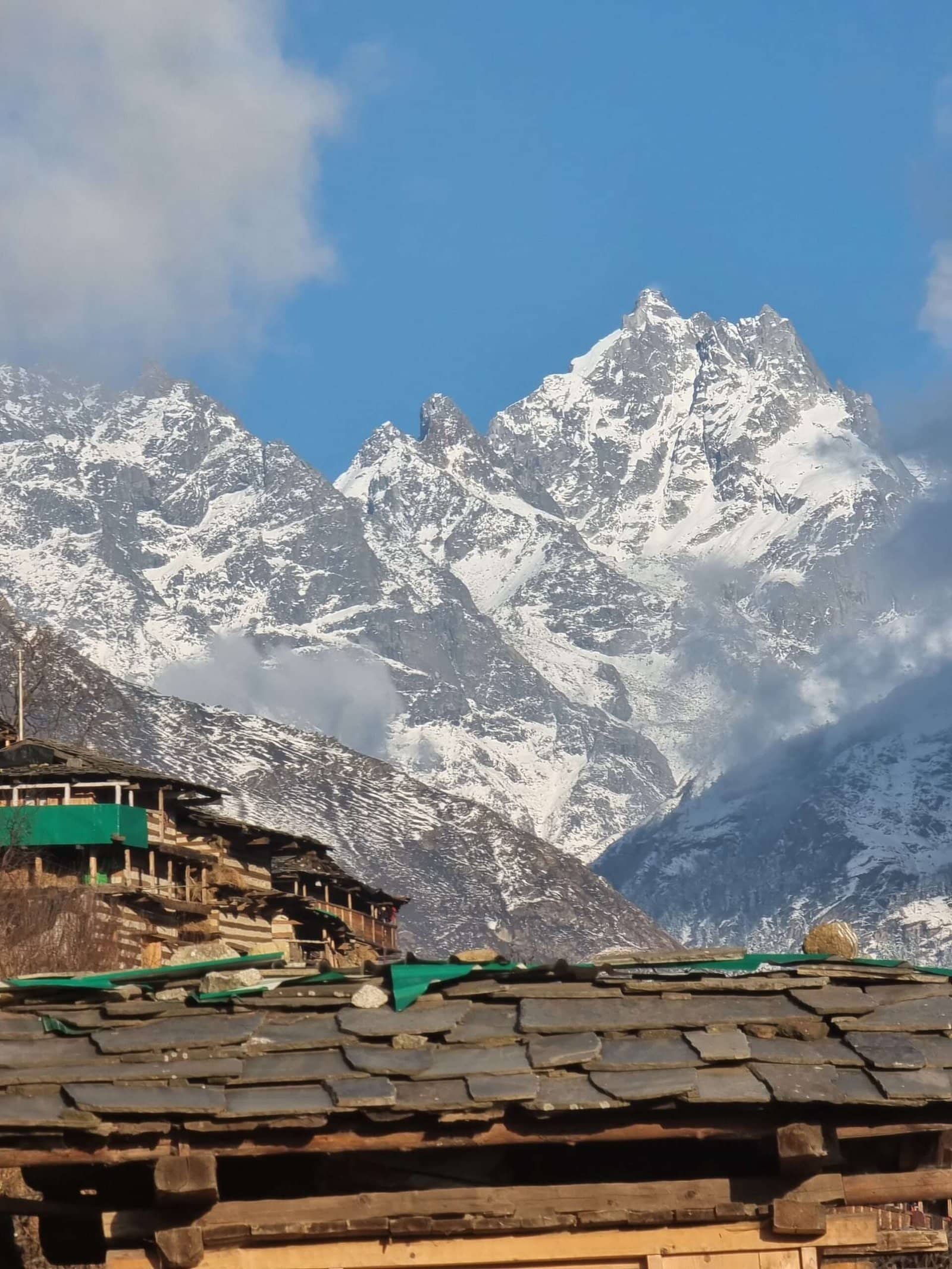
Drive from Dehradun to Sankri: through the Yamuna and Tons valleys, across the Yamuna bridge, and enjoy the beautiful view of dense pine forests. Upon reaching Sankri in the evening, you can witness the stunning sunset behind the mountain ranges. The Sankri base camp offers a beautiful view of all four peaks in the Swargarohini range. Overnight camping in Sankri under the clear, starry sky is a memorable experience.Participants are expected to arrange transportation to the Sankri base camp at an additional cost. Trekup India will organize a taxi from Dehradun to Sankri base camp.

Upon nearing Sankri: we’ll pass through the Govind National Park checkpoint, marking the end of our drive around 6 PM. Once at the guest house, you’ll have ample time to freshen up and rejuvenate. The nearby market beckons, offering a variety of trekking essentials, clothing, and equipment. This is the perfect opportunity for any last-minute shopping before we embark on our trek.

Day 2

SANKRI TO TALUKA

The journey from Sankri to Taluka: involves a scenic drive through dense forests and gushing water streams. Taluka is a quaint village with traditional house structures and a few local eateries offering delicious food. Trekkers can take a break here before embarking on the 14km trek. This trek provides a diverse experience, with rocky terrain, wooden bridges, and lush green trails alongside the Supin River. The route also offers opportunities to spot various animals and birds. Additionally, trekkers will come across numerous freshwater streams along the way. The day’s journey ends in Seema, reached via Gangar village, where trekkers will camp on a small green field just before Seema.

Day 3

SEEMA-DEVSU BUGYAL

SEEMA-DEVSU BUGYAL:This trek may be shorter, but it is incredibly picturesque. As you walk along, a river flows to your left, offering stunning views of snow-capped mountains and expansive valleys with impressive waterfalls. This area is a haven for photographers, as it is home to various rare species of Himalayan birds, animals, and flowers. After a short, steep climb to Devsu Bugyal, trekkers will camp here.

Day 4

DEVSU BUGYAL-RUINSARA LAKE

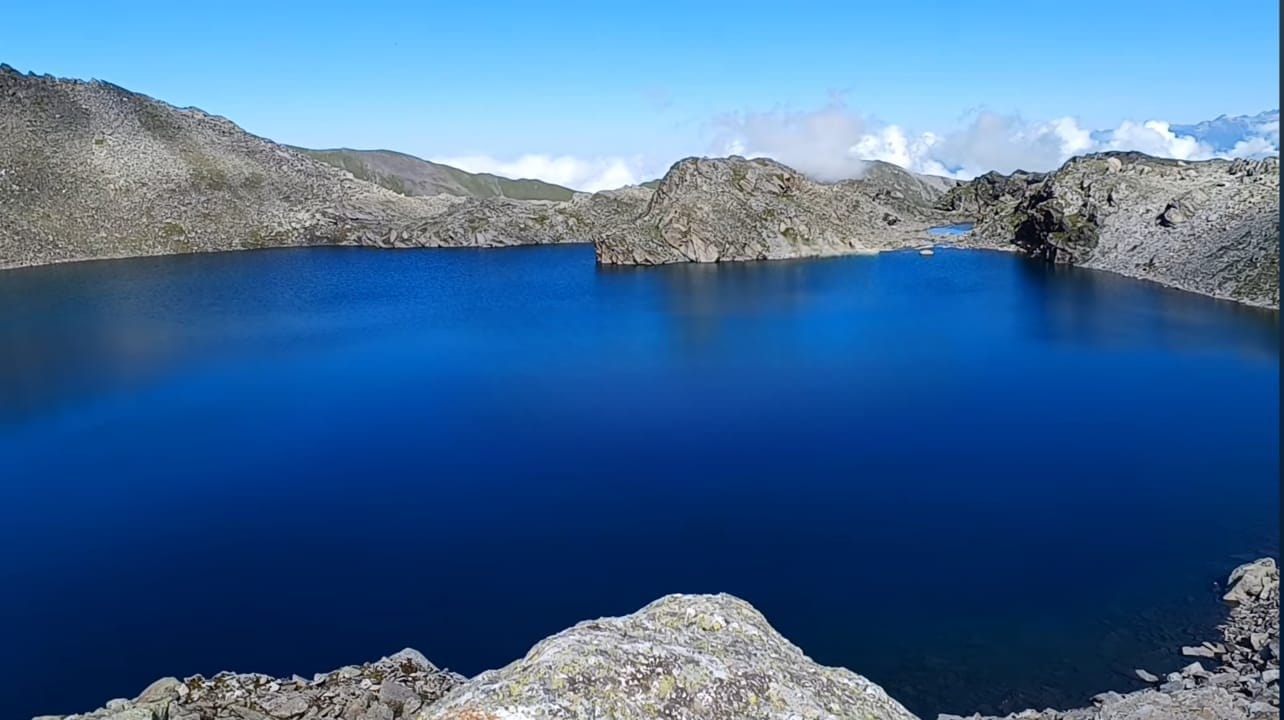
Trek from Start to Ruinsara Lake:on a gradual ascent that offers excellent views of the snow-covered mountains and vast valleys with huge waterfalls. The area is home to several rare species of Himalayan wildlife. On your left, observe Har-ki-Doon Valley, below the confluence of Har-ki-Doon and Ruinsara rivers. Look for a steep descent towards the Ruinsara River through a forest trail. Trekkers will have to cross a wooden bridge over the Ruinsara River.

Observe the Ruinsara Valley on your right:. Passing through mountain bends, one will have to walk through a landslide area, and depending on the conditions, one may have to use ropes to cross over the broken bends. Observe the Ruinsara Lake, surrounded by meadows where the trekkers will camp.

Day 5

Ruinsara Tal to Kyarkoti Base Camp

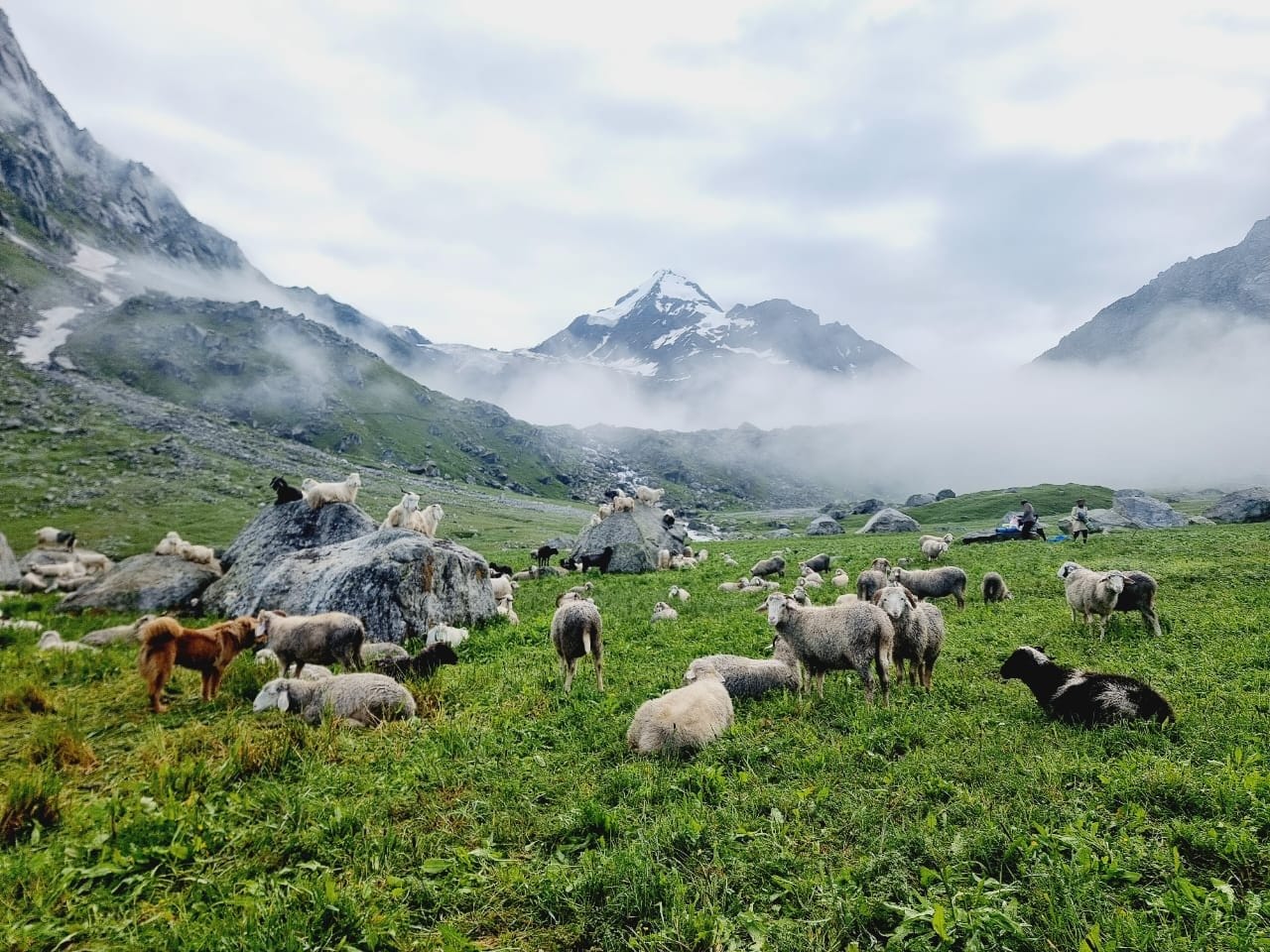
Today we start walking upstream towards the Kyarkoti basecamp which is also the basecamp of two prominent peaks of this valley, Swargarohini and Black Peak. The camp is close to the south face of the Swargarohini peak.

Day 6

Kyarkoti Base Camp to Dharon Odari

Start your trek towards Dharon Odari also known as Dharali Odari, we will encounter snow and the terrain will get tougher and more taxing. Overnight in tents.

Day 7

Dharon Odari to Camp 2

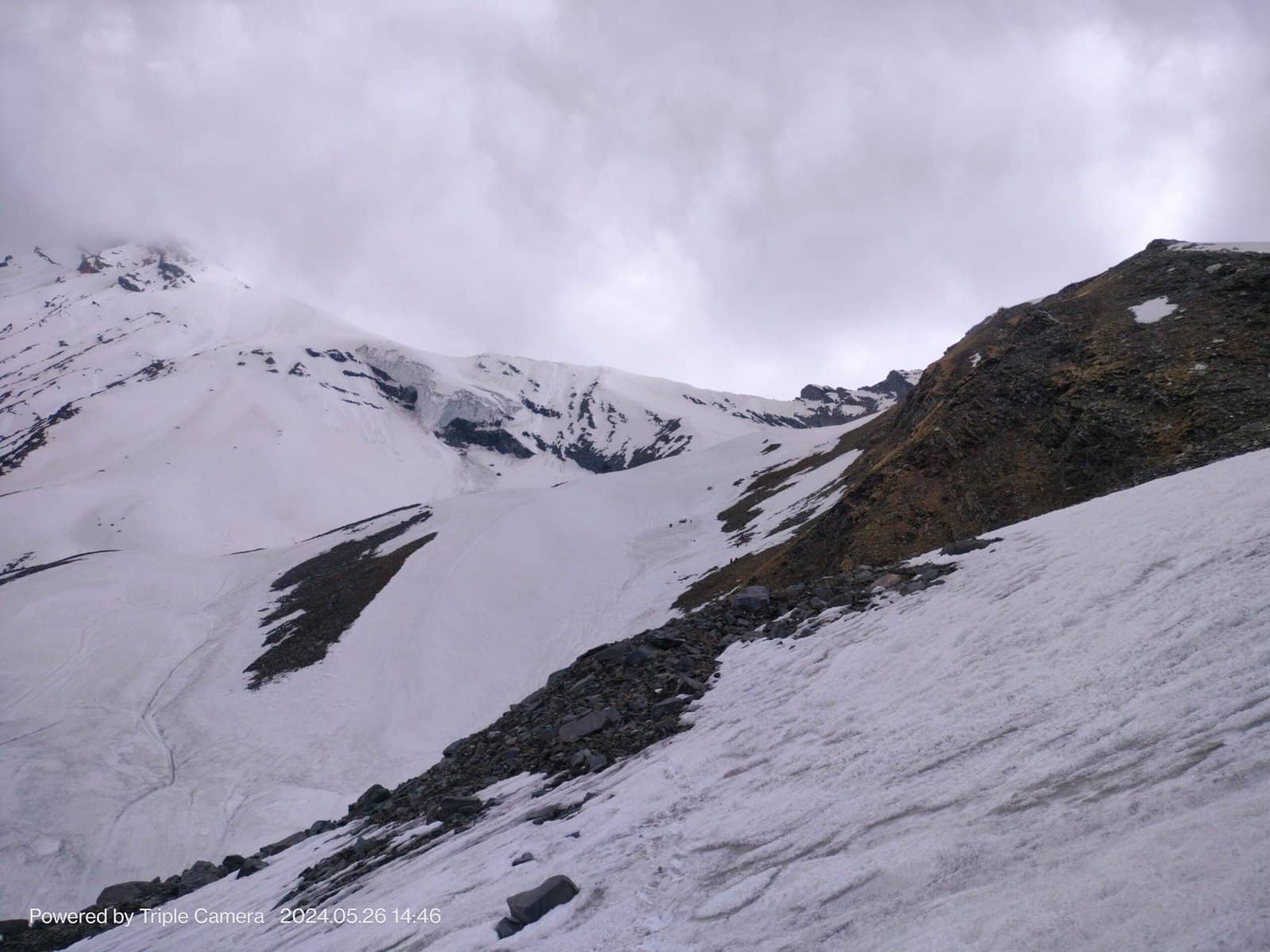
Today we trek to Camp 2 at the base of Dhumdhar Kandi Pass over crevassed glacier and moraines. Overnight in tents.

Day 8

Camp 2 to Ratiya Camp via Dhumdhar Kandi Pass

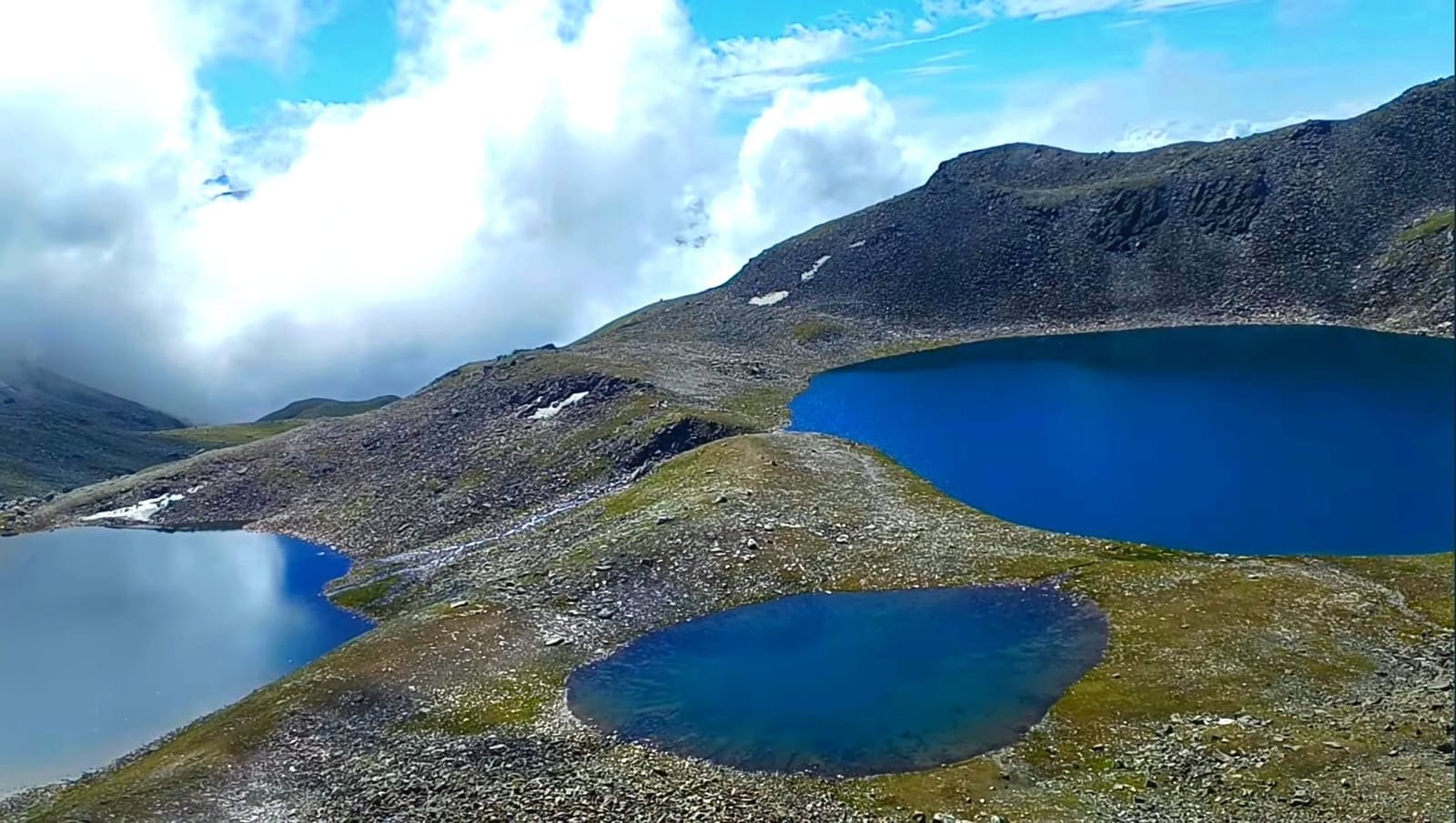
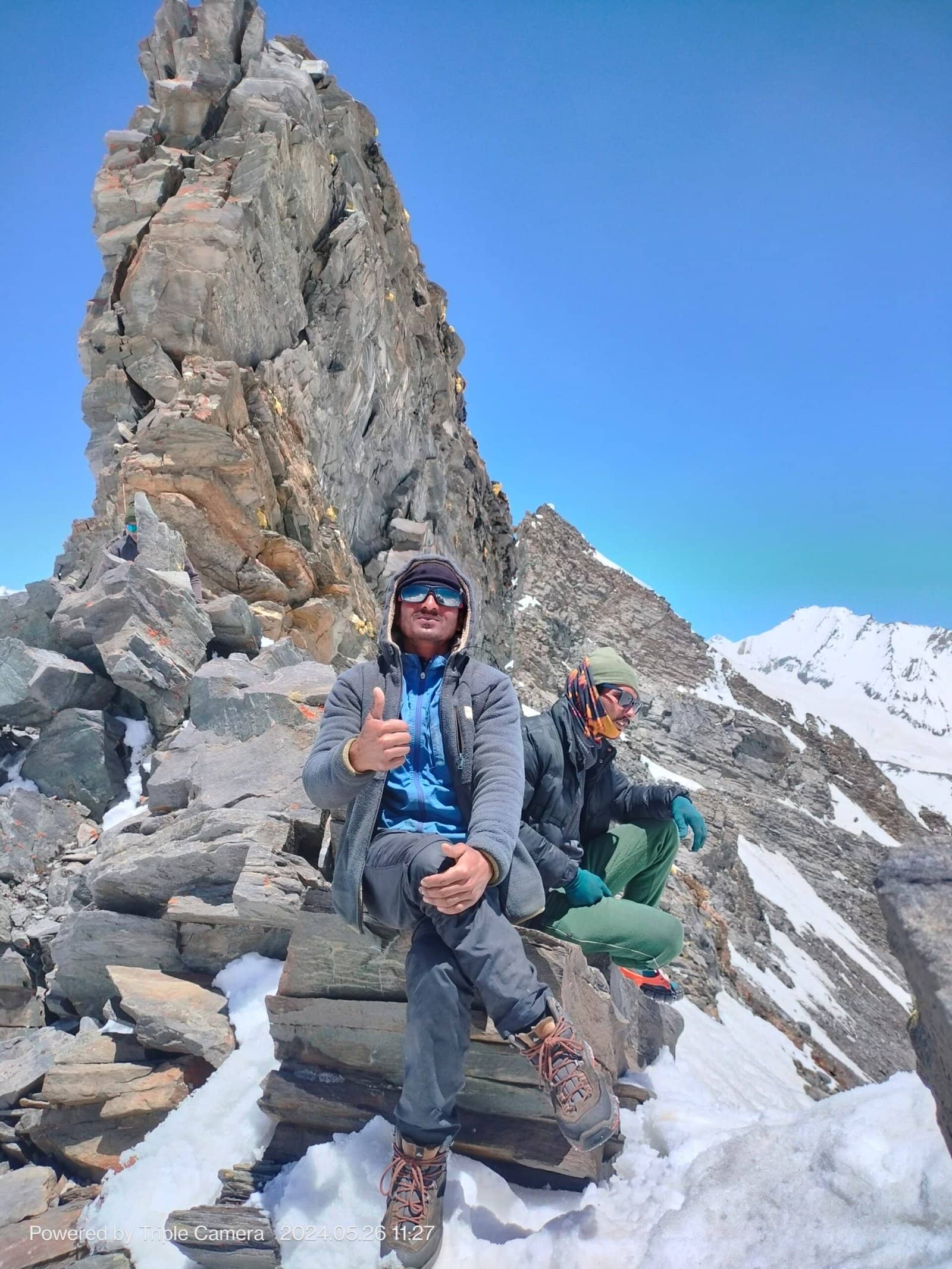
Today we start early to cross the steep and taxing Dhumdhar Kandi Pass with the glacier from Black Peak on one side and the glacier from Swargarohini and Bandarpunch on the other. Following a steep descent, we will reach the campsite of Ratiya. Overnight in tents.

Day 9

Ratiya to Kyarkoti

Today we trek to Kyarkoti from Ratiya and retire for the night.

Day 10

Kyarkoti to Dharian Ghara

Today we move to Dharian Gharat campsite through forests and meadows. Overnight in tents.

Day 11

Dharian Gharat to Jhala

We will trek through forest trails and reach the village of Jhala. Overnight in guesthouse/homestay.

Day 12

Jhala to Dehradun

If you opt for a transport from us then you will reach Dehradun by late evening.

What's Covered

Inclusions & Exclusions

INCLUSION

  • Accommodation: Tents/guesthouses on twin or triple sharing; base camp in guesthouse.
  • Meals: Simple, nutritious vegetarian meals throughout the trek.
  • Day-wise Meals: Meal plan varies depending on trek day.
  • Day 1: Dinner included + breakfast next morning.
  • Trek Days: Breakfast, packed lunch, and dinner included.
  • Final Day: Dinner included + breakfast before departure.
  • Non-veg meals are not available during the trek.
  • Trek Equipment: Sleeping bags, tents, kitchen setup, mattresses, crampons (if needed).
  • Transportation: Included if selected during booking.
  • First Aid: Basic medical kits available.
  • Permits: All forest entry fees and permits included.
  • Guides: Led by experienced and trained trek leaders.

EXCLUSION

  • All kinds of personal expenditures are excluded.
  • Anything that we have not mentioned above.
  • The trek cost is not inclusive of meals bought during the journey on 1st day and last day. (Food starts from dinner at base camp on day first till last day morning breakfast).
  • Mules or porter charges to carry private baggage.
  • Any kind of emergency evacuation charges.

Getting There

How To Reach

By Air

Dehradun’s airport is the Jolly Grant Airport, which is located 20 km away from the city centre. You can hire a taxi from the airport to reach the city, which should take you 40 to 45 minutes depending upon traffic.

By Train

Dehradun is connected by regular train services to various cities. The Dehradun Railway Station is located 1-2 kilometres away from the city centre and should take you only ten minutes, depending on traffic

By Road

Dehradun is well connected to cities like Delhi, Shimla, Haridwar, and Mussoorie via Volvo and state buses. ISBT near Clement Town is the main hub, with frequent departures, along with Mussoorie Bus Stand and Delhi Bus Stand.

Location

Trek Route Map

Booking Policy

Cancellation Policy

PolicyUpto 30 days29–21 days21–15 days14–0 days
Batch Shifting
Refund100%50%0%0%

Travel insurance is strongly recommended. No-shows and last-minute cancellations are non-refundable. In case of bad weather or force majeure, the company reserves the right to modify or cancel the itinerary.

Preparation

What To Pack

Clothing & Footwear

  • High-ankle waterproof trekking boots (broken in)
  • Thermal base layer — top & bottom (2 sets)
  • Down jacket (600+ fill power)
  • Windproof & waterproof shell jacket
  • Trekking pants (quick-dry, 2–3 pairs)
  • Woolen gloves + waterproof outer gloves
  • Warm balaclava & beanie hat
  • Woolen socks (4+ pairs)
  • Gaiters for snow and scree

Gear & Essentials

  • 35–45L daypack with rain cover
  • Trekking poles (collapsible, 2 poles)
  • Headlamp with extra batteries
  • Sunscreen SPF 50+ & lip balm with SPF
  • UV-protection polarised sunglasses
  • Personal first aid & altitude medication (Diamox)
  • Water bottles (2L) or hydration bladder
  • Water purification tablets
  • Valid government photo ID (mandatory for permits)

Common Questions

Frequently Asked Questions

Is Dhumdhar Kandi Pass trek difficult?

The trek to Dhumdhar Kandi Pass is considered difficult due to its high altitude and challenging terrain. Trekkers need to be well-prepared and physically fit to undertake the journey. Acclimatization is essential to avoid altitude-related illnesses.

How many days in Dhumdhar Kandi Pass Trek?

It is a 9 Days and 8 Nights Trek starting from Taluka to Taluka.

How long is Dhumdhar Kandi Pass Trek?

The trek to Kedartal usually takes around 9 to 10 days to complete, including the ascent and return journey.

Why is Dhumdhar Kandi Pass famous?

Dhumdhar Kandi Pass is famous for its stunning Himalayan views, challenging trekking routes, and remote wilderness experience.

What if we want to leave extra luggage at the base village?

You can keep extra luggage in the base village for any particular trek. There are no cloak roo charges applicable. Its free of cost.

Is there mobile signals available on treks?

If you are going on a trek don’t expect mobile signals. There are few spots on the trails of few treks where you might find a single tower or something but it always depends if that is enough to make a call or not.

How do you manage toilets?

We use portable toilet tents for sanitation needs, as permanent structures may not available. These are dry toilets, so please bring wet wipes or tissue paper for personal hygiene.

Do I need to carry trek equipment?

For this trek you just need a day bag to carry during the trek, extra luggage can be left behind at the camp site. Proper bedded swiss tents are available on this trek.

Can we consume Alcohol during the trek?

It’s a strict no. If you fall sick during the trek due to alcohol consumption H2H has the right to cancel your trek and send you back to base village. No expenses shall be refunded in that case and you will have to pay additional for stay at base village.

How do I prepare for the trek?

Start running/walking at least 3-4 Kms everyday.

What kind of shoes will I need? Does a sport shoe work?

If it’s a snow trek a good trekking shoe is mandatory. If you buy a new shoe do walk for few days so that it fits you well and doesn’t leave you with blisters while you trek. If it is a summer trek or post monsoon trek a shoe with good grip and ankle support will do.

₹ 40,000 ₹ 38,000
+GST
Per person Special Offer