Kashmir Great Lakes Trek

Trek Details

Duration

8 Days / 7 Nights

Max Altitude

4200 m

Trek Length

75 KM

Difficulty

Moderate

Best Season

July to September

Start Point

Sonamarg

End Point

Naranag

Nearest Railway

Jammu Tawi Railway Station

Nearest Airport

Srinagar International Airport

  • Overview
  • Itinerary
  • Inclusion
  • How To Reach
  • Map
  • Policy
  • Packing List
  • FAQs

Best Months for this Trek

Open Closed

Overview

Your Adventure at a Glance

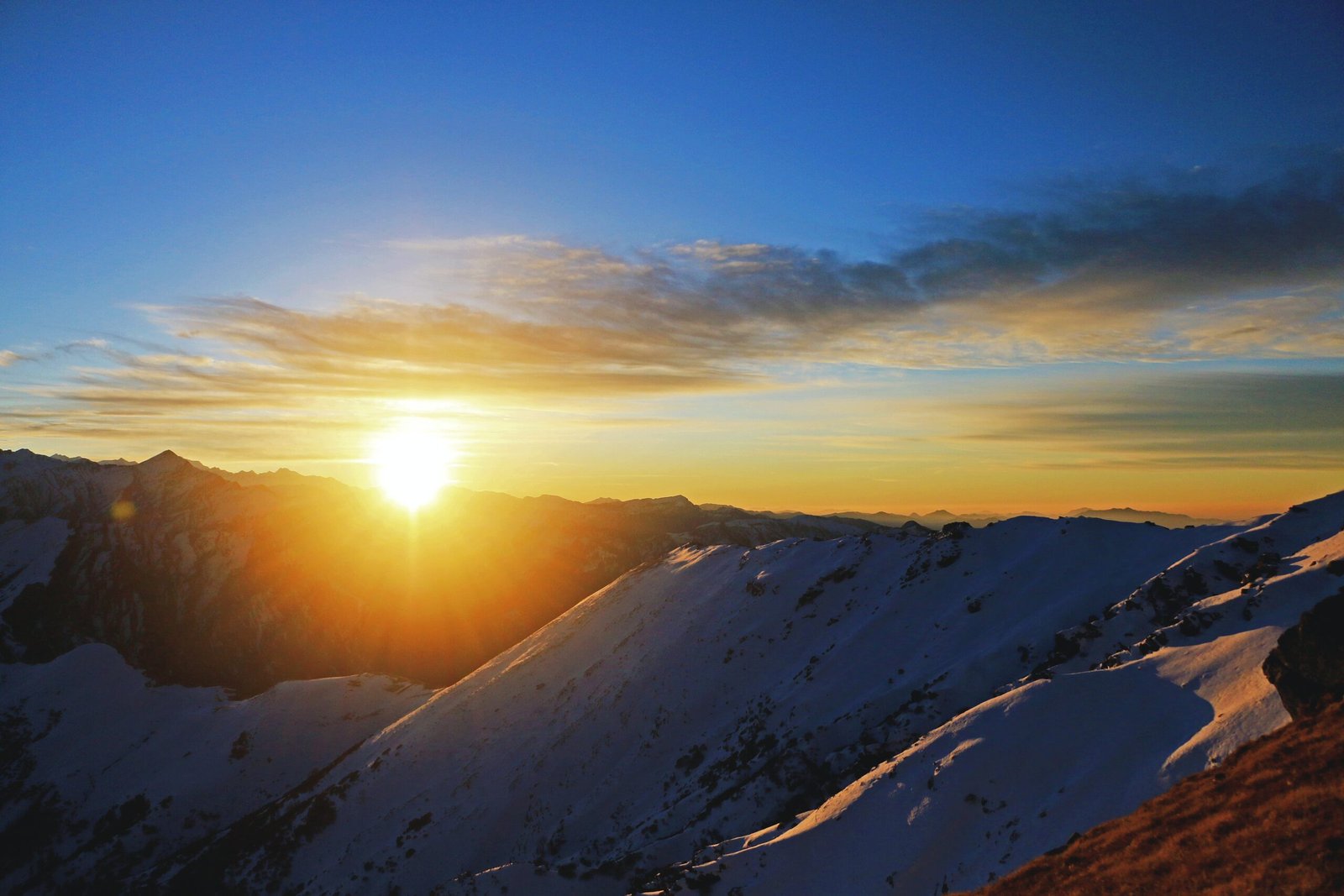
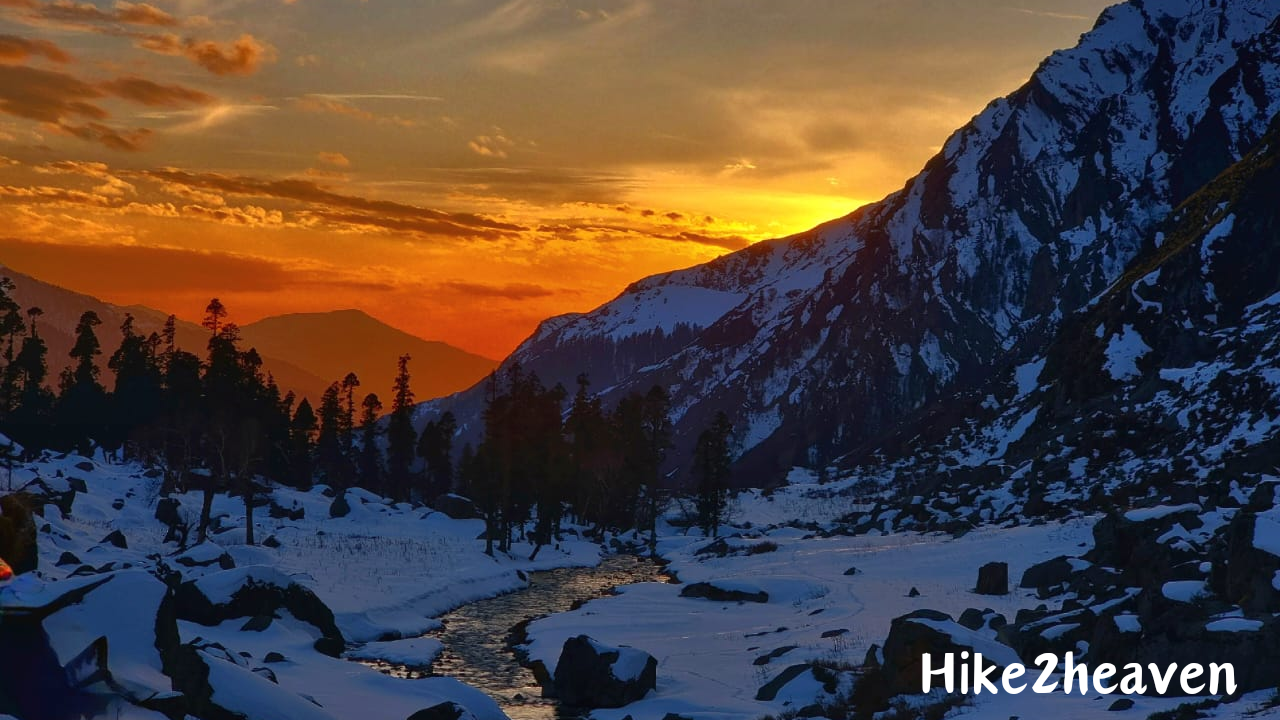
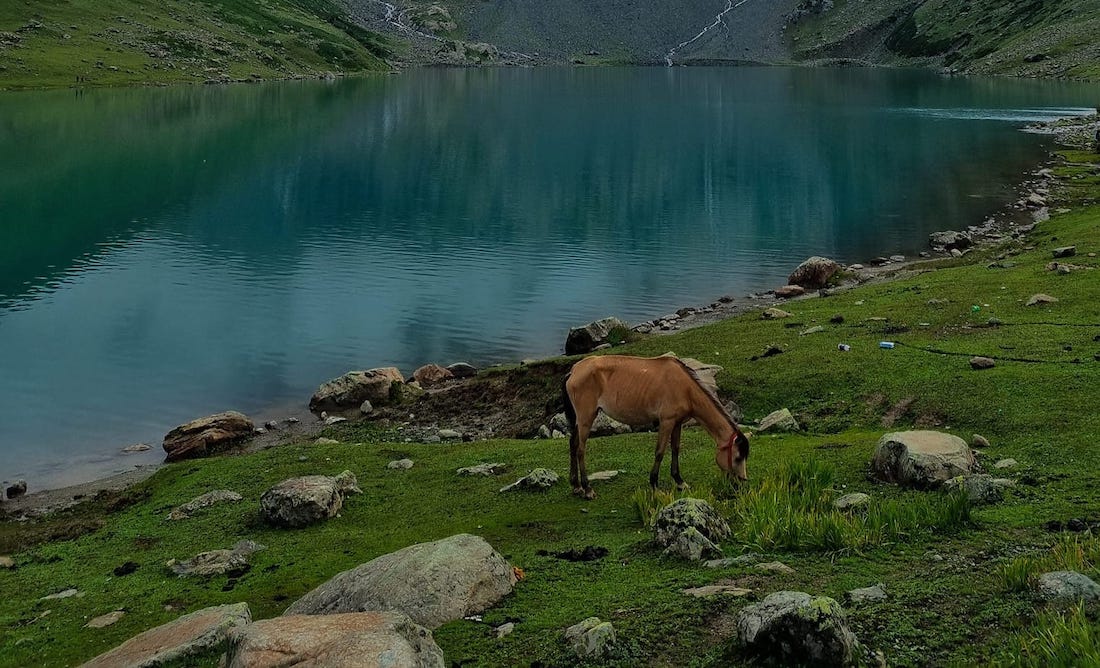
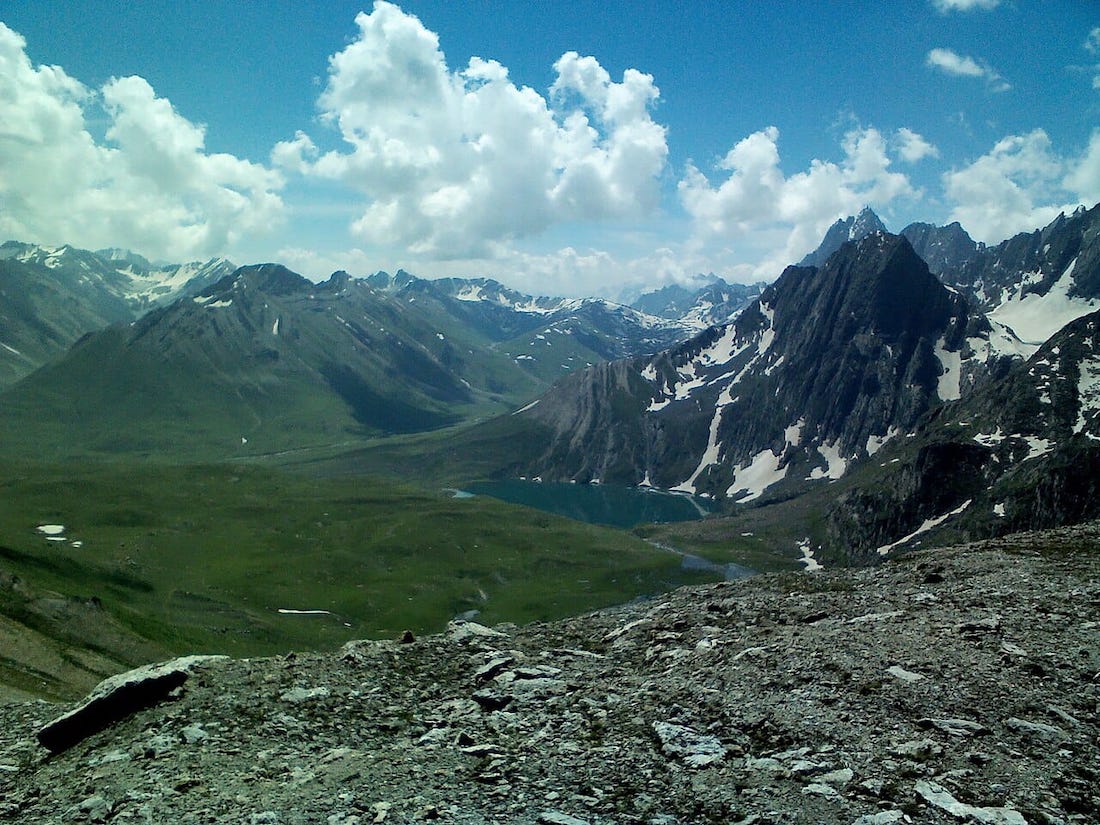
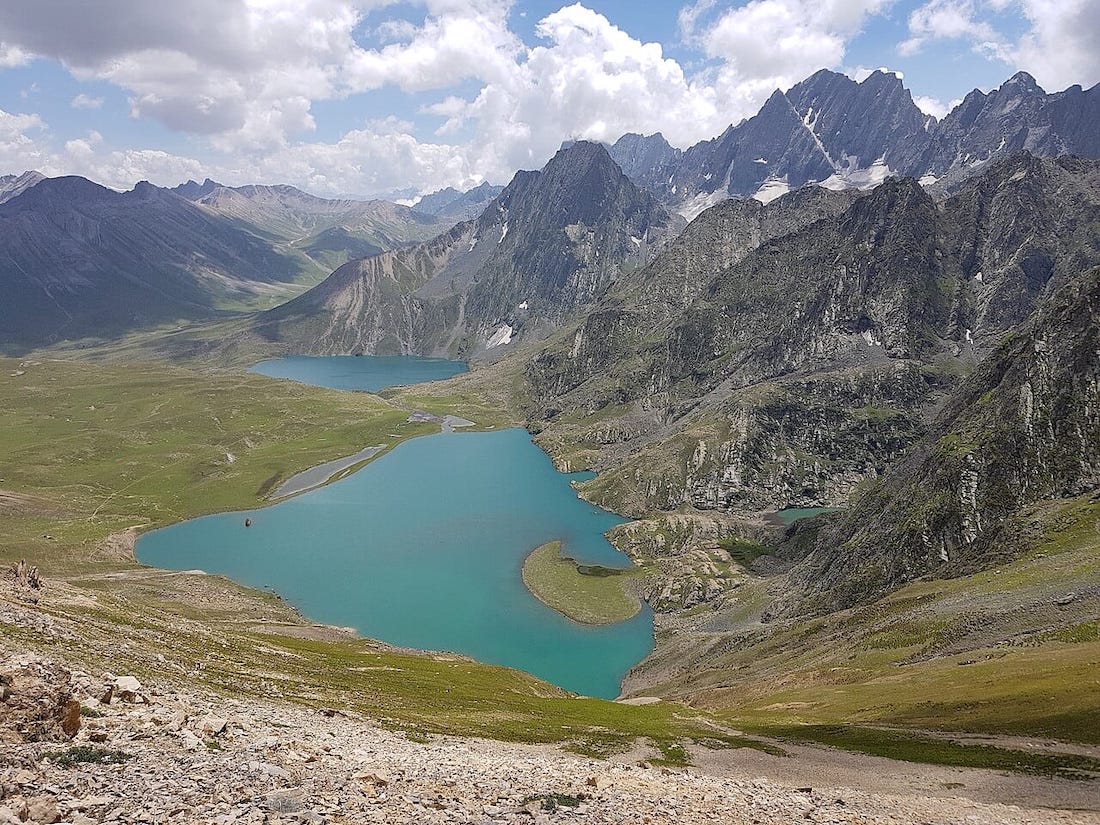
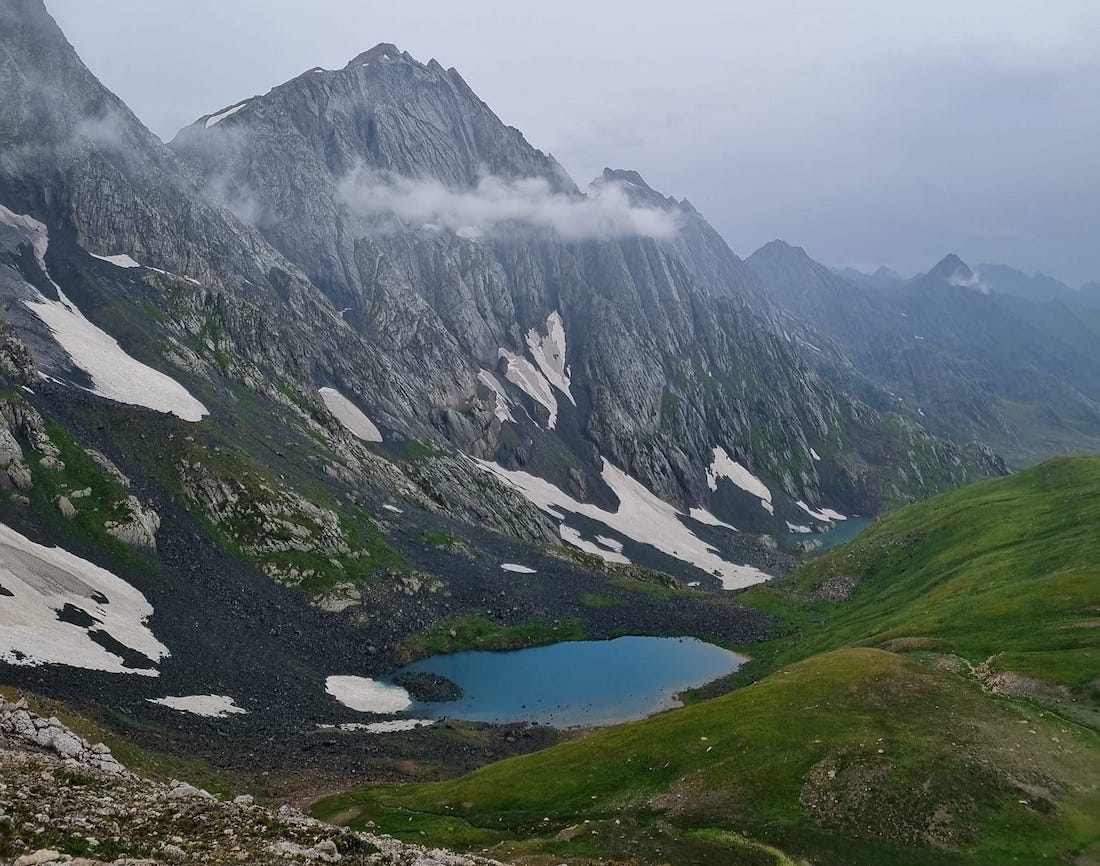
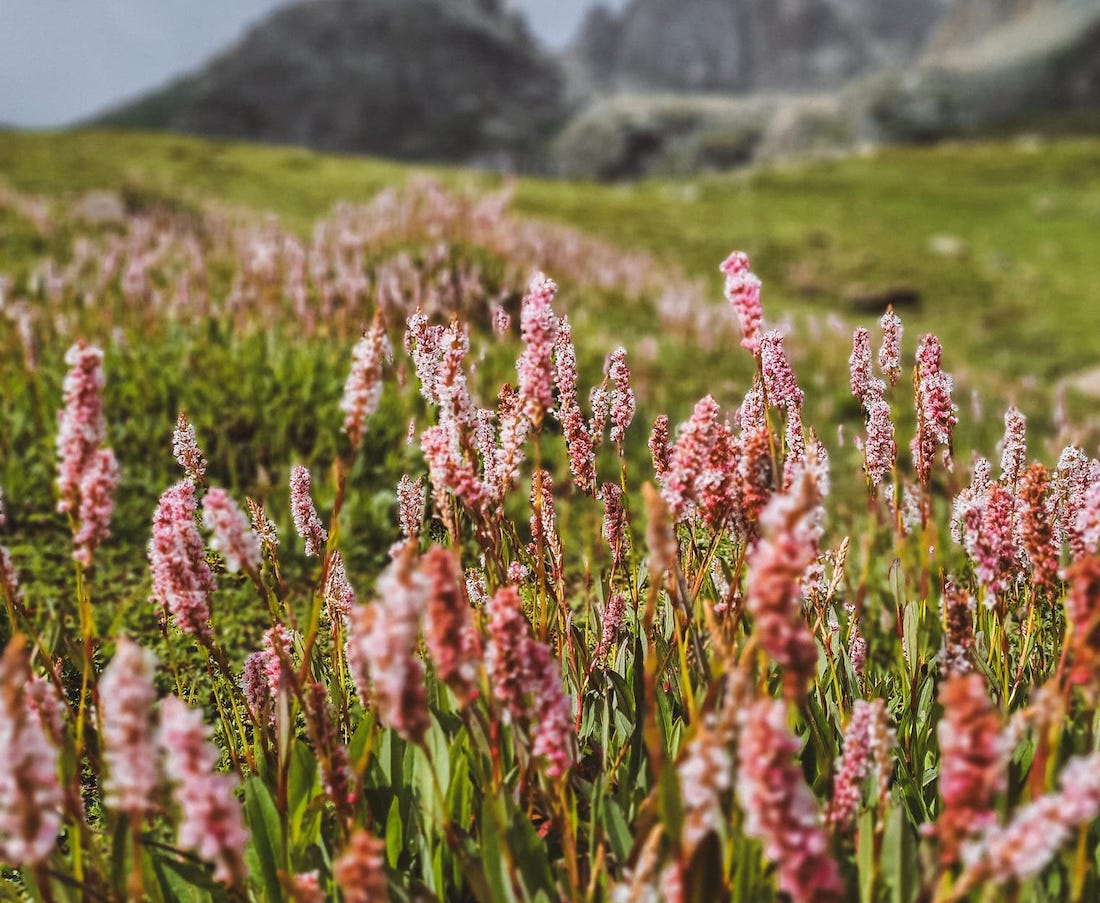
The Kashmir Great Lakes Trek is widely regarded as one of the most scenic high-altitude treks in India. Stretching across the breathtaking valleys of Kashmir, this journey takes trekkers through a series of pristine alpine lakes, vast flower-filled meadows, glacier-fed streams, rugged mountain passes, and endless panoramic landscapes. Every day on the trail reveals a new lake, each with its own distinct beauty and surrounding terrain.

Starting from Sonamarg and ending at Naranag, the trek crosses some of Kashmir’s most spectacular wilderness regions. Along the route, trekkers witness famous lakes such as Vishansar, Krishansar, Gadsar, Satsar, Gangabal, and Nundkol, all surrounded by towering Himalayan peaks and lush alpine grasslands. The constantly changing scenery makes every day feel entirely different from the previous one.

The trek reaches an altitude of approximately 13,800 ft at Gadsar Pass, making it a moderately difficult to challenging adventure that demands good physical fitness and endurance. During the summer months, the valleys transform into vibrant landscapes filled with wildflowers, grazing sheep, and crystal-clear streams flowing through the meadows.

For trekkers seeking a complete Himalayan experience packed with dramatic landscapes, alpine lakes, and unforgettable mountain views, the Kashmir Great Lakes Trek remains one of the finest trekking experiences in the country.
About the Trek

Mythology, Best Time & More More

Locality

Culture

The trek passes through regions frequently used by Gujjar and Bakarwal shepherd communities during summer. Trekkers often encounter traditional shepherd settlements, grazing livestock, and centuries-old mountain traditions that remain deeply connected to nature and seasonal migration.

Ideal Season

Best Time

The ideal trekking season is from July to September. During this period, snow has melted from most sections of the trail, alpine flowers bloom across the meadows, and the lakes display vibrant shades of blue, turquoise, and green. Weather conditions are also comparatively stable during these months.

Fitness

Difficulty Level

Kashmir Great Lakes Trek is considered moderate to difficult due to long trekking distances, high-altitude passes, and continuous ascents and descents. Trekkers should maintain good cardiovascular fitness and stamina before attempting the trek.

Temparature

Weather

Daytime temperatures generally range between 12°C and 20°C during the trekking season, while nights can become cold, especially near lakes and higher campsites, dropping to around 0°C to 5°C. Sudden weather changes and occasional rainfall are common in the Kashmir Himalayas.

Wildlife

Flora and Fauna

The route is rich in alpine vegetation, including wildflowers, grasslands, pine forests, and birch trees. Wildlife sightings may include Himalayan marmots, mountain birds, foxes, and grazing livestock maintained by local shepherd communities.

Authority

Permits

Trekkers are generally required to obtain permits from local authorities and forest departments before entering protected trekking zones. Most organized trekking operators arrange the necessary permits as part of the trek package.

Day-by-Day Plan

Trek Itinerary

Day 1

Srinagar to Sonamarg

Arrive in Srinagar and drive towards Sonamarg, often known as the “Meadow of Gold.” The scenic drive follows the Sindh River and passes through beautiful mountain landscapes. Upon reaching the campsite near Sonamarg, attend a trek briefing and prepare for the upcoming adventure.

Day 2

Sonamarg to Nichnai

The trek begins with a steady ascent through forests, meadows, and ridgelines overlooking the Sindh Valley. After crossing beautiful grasslands and mountain streams, reach the campsite at Nichnai surrounded by alpine scenery.

Trek Distance: 10–11 km
Duration: 6–7 Hours

Day 3

Nichnai to Vishansar Lake via Nichnai Pass

Today's trail climbs towards Nichnai Pass before descending into expansive valleys dotted with wildflowers and grazing fields. Continue towards the magnificent Vishansar Lake, one of the most beautiful alpine lakes on the trek.

Trek Distance: 12–13 km
Duration: 7–8 Hours

Day 4

Vishansar Lake to Gadsar via Gadsar Pass

This is one of the most rewarding days of the trek. Begin with views of Vishansar and Krishansar Lakes before ascending towards Gadsar Pass, the highest point of the journey. From the pass, enjoy breathtaking views of snow-covered peaks and alpine valleys before descending to Gadsar campsite.

Trek Distance: 14–15 km
Duration: 8–9 Hours

Day 5

Gadsar to Satsar

The route gradually descends through meadows, rocky terrain, and multiple stream crossings. Reach the beautiful Satsar region, known for its interconnected alpine lakes surrounded by rolling grasslands and mountain ridges.

Trek Distance: 9 km
Duration: 5–6 Hours

Day 6

Satsar to Gangabal via Zaj Pass

Today's trail involves a climb towards Zaj Pass, offering incredible panoramic views of Mount Harmukh and surrounding valleys. Descend towards the stunning twin lakes of Gangabal and Nundkol, among the most scenic campsites in Kashmir.

Trek Distance: 11–12 km
Duration: 7–8 Hours

Day 7

Gangabal to Naranag

The final trekking day follows a long descent through pine forests, meadows, and traditional mountain landscapes towards Naranag village. The trail offers the last views of Kashmir’s alpine wilderness before concluding the trek.

Trek Distance: 12 km
Duration: 6–7 Hours

Day 8

Drive from Naranag to Srinagar

After breakfast, drive back to Srinagar and conclude the Kashmir Great Lakes Trek with unforgettable memories of high-altitude lakes, mountain passes, and spectacular Himalayan scenery.

What's Covered

Inclusions & Exclusions

INCLUSION

  • Accommodation: Stay in tents/guesthouses on twin/triple sharing; base in guesthouse.
  • Meals: Simple, nutritious vegetarian meals provided.
  • Day-wise Meals: Meal plan varies by day.
  • Day 1: Dinner + breakfast next morning.
  • Trek Days: Breakfast, packed lunch, and dinner included.
  • Final Day: Dinner + breakfast before departure.
  • Non-veg meals are not served.
  • Trek Equipment: Sleeping bags, tents, kitchen setup, mattresses, crampons (if needed).
  • Transportation: Included if opted during booking.
  • First Aid: Basic medical kits available.
  • Permits: Forest entry fees and permits included.
  • Guides: Led by trained and experienced trek leaders.

EXCLUSION

  • All kinds of personal expenditures are excluded.
  • Anything that we have not mentioned above.
  • The trek cost is not inclusive of meals bought during the journey on 1st day and last day.
  • Mules or porter charges to carry private baggage.
  • Any kind of emergency evacuation charges.

Getting There

How To Reach

By Air

The nearest airport is Srinagar International Airport, which is well connected with major Indian cities such as Delhi, Mumbai, Bangalore, and Chandigarh. From Srinagar, Sonamarg can be reached by road in approximately 3–4 hours.

By Train

The nearest major railway station is Jammu Tawi Railway Station. From Jammu, travelers can continue towards Srinagar by bus, shared taxi, or private cab before proceeding to Sonamarg.

By Road

Srinagar is connected to Jammu and nearby regions through national highways. From Srinagar, a scenic drive through the Sindh Valley leads to Sonamarg, the starting point of the trek. The trek concludes at Naranag, from where vehicles are available back to Srinagar.

Location

Trek Route Map

Booking Policy

Cancellation Policy

PolicyUpto 30 days29–21 days21–15 days14–0 days
Batch Shifting
Refund100%50%0%0%

Travel insurance is strongly recommended. No-shows and last-minute cancellations are non-refundable. In case of bad weather or force majeure, the company reserves the right to modify or cancel the itinerary.

Preparation

What To Pack

Clothing & Footwear

  • High-ankle waterproof trekking boots (broken in)
  • Thermal base layer — top & bottom (2 sets)
  • Down jacket (600+ fill power)
  • Windproof & waterproof shell jacket
  • Trekking pants (quick-dry, 2–3 pairs)
  • Woolen gloves + waterproof outer gloves
  • Warm balaclava & beanie hat
  • Woolen socks (4+ pairs)
  • Gaiters for snow and scree

Gear & Essentials

  • 35–45L daypack with rain cover
  • Trekking poles (collapsible, 2 poles)
  • Headlamp with extra batteries
  • Sunscreen SPF 50+ & lip balm with SPF
  • UV-protection polarised sunglasses
  • Personal first aid & altitude medication (Diamox)
  • Water bottles (2L) or hydration bladder
  • Water purification tablets
  • Valid government photo ID (mandatory for permits)

Common Questions

Frequently Asked Questions

How many lakes are covered in the Kashmir Great Lakes Trek?

The trek covers several famous alpine lakes including Vishansar, Krishansar, Gadsar, Satsar, Gangabal, and Nundkol, along with smaller lakes and glacial water bodies along the route.

What is the highest point of the trek?

The highest point is Gadsar Pass, located at approximately 13,800 ft above sea level.

Is the Kashmir Great Lakes Trek suitable for beginners?

Fit beginners can attempt the trek with proper preparation, but prior trekking experience is beneficial due to the long distances and high-altitude conditions.

What is the best month to do the trek?

July and August are considered the most scenic months because of blooming meadows, vibrant lakes, and pleasant trekking conditions. September offers clearer skies and fewer crowds.

Is mobile network available during the trek?

Mobile connectivity is available in Srinagar and partially near Sonamarg, but most sections of the trek have little to no network coverage. Trekkers should be prepared for limited communication during the journey.

What if we want to leave extra luggage at the base village?

You can keep extra luggage in the base village for any particular trek. There are no cloak roo charges applicable. Its free of cost.

Is there mobile signals available on treks?

If you are going on a trek don’t expect mobile signals. There are few spots on the trails of few treks where you might find a single tower or something but it always depends if that is enough to make a call or not.

How do you manage toilets?

We use portable toilet tents for sanitation needs, as permanent structures may not available. These are dry toilets, so please bring wet wipes or tissue paper for personal hygiene.

Do I need to carry trek equipment?

For this trek you just need a day bag to carry during the trek, extra luggage can be left behind at the camp site. Proper bedded swiss tents are available on this trek.

Can we consume Alcohol during the trek?

It’s a strict no. If you fall sick during the trek due to alcohol consumption H2H has the right to cancel your trek and send you back to base village. No expenses shall be refunded in that case and you will have to pay additional for stay at base village.

How do I prepare for the trek?

Start running/walking at least 3-4 Kms everyday.

What kind of shoes will I need? Does a sport shoe work?

If it’s a snow trek a good trekking shoe is mandatory. If you buy a new shoe do walk for few days so that it fits you well and doesn’t leave you with blisters while you trek. If it is a summer trek or post monsoon trek a shoe with good grip and ankle support will do.

₹ 24,999 ₹ 21,000
+GST
Per person Special Offer