Tehri Dam

  • Overview
  • Inclusion
  • Policy
  • Packing List
  • FAQs

Best Months for this Trek

Open Closed

Overview

Your Adventure at a Glance

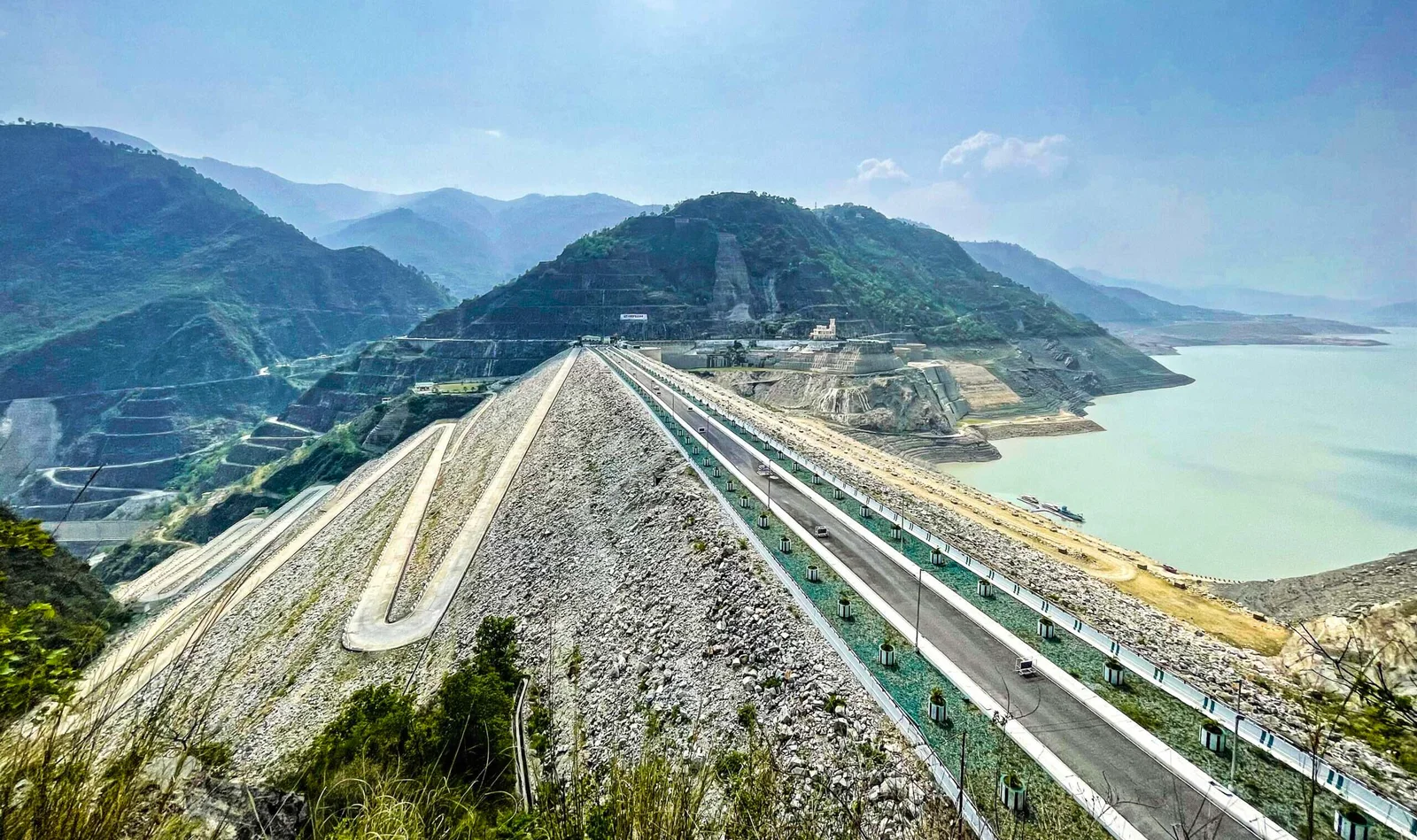
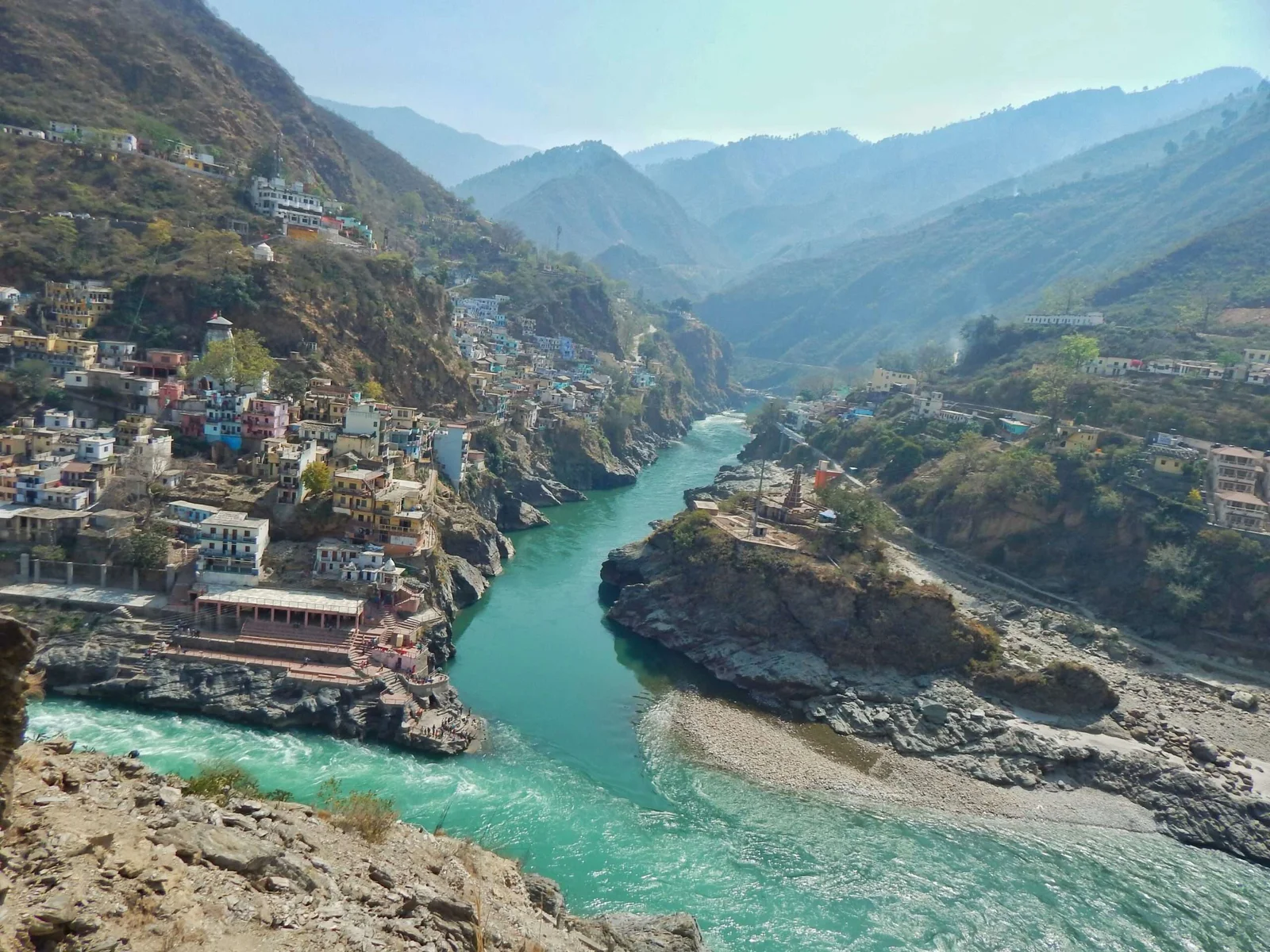
The Tehri Dam is a notable hydroelectric dam located on the Bhagirathi River in the town of Tehri in the Indian state of Uttarakhand. It is one of the largest and tallest dams in India and plays a significant role in the generation of hydroelectric power, as well as water resource management. Here are some details about the Tehri Dam:

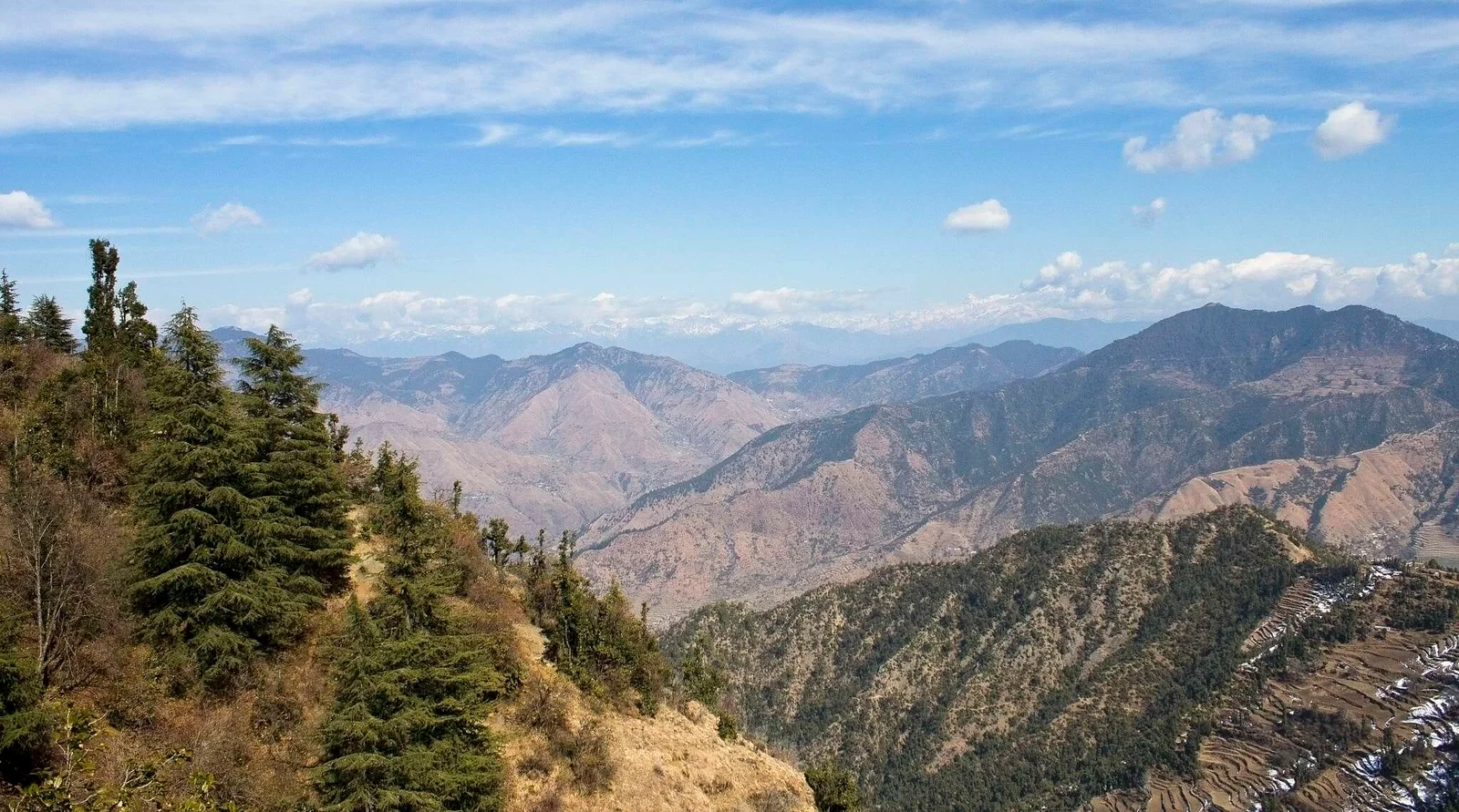
  • Location: The Tehri Dam is situated in the town of Tehri, which is around 170 kilometers (105 miles) northeast of the state capital, Dehradun. It’s located in the foothills of the Himalayas.
  • Purpose: The primary purpose of the Tehri Dam is to generate electricity through hydroelectric power generation. It also helps with flood control, irrigation, and water supply to downstream areas.
  • Construction: The construction of the Tehri Dam was a massive engineering project that began in 1978 and continued for several years. The dam was completed in phases. The main dam is a rock and earth-fill embankment dam.
  • Reservoir: The dam forms a reservoir known as the Tehri Reservoir or Tehri Lake. This reservoir is one of the largest in India, with a capacity to hold a considerable amount of water. The reservoir also offers boating and water sports activities.
  • Hydroelectric Power Generation: The Tehri Dam is equipped with hydroelectric power stations that have a combined capacity to generate a significant amount of electricity. The power generated is used to meet the energy needs of the region and beyond.
  • Environmental and Social Impact: The construction of the Tehri Dam involved the displacement of local communities and changes to the local environment. It also led to debates and discussions about the impact on the local ecology and the people affected by the project.
  • Tourism: The Tehri Dam and its reservoir have also become a tourist attraction, drawing visitors interested in its engineering marvel and the scenic beauty of the area. Adventure enthusiasts can engage in water-based activities like boating and jet skiing.
  • Tehri Dam Festival: The Tehri Dam Festival is an annual event held to celebrate the cultural heritage of the region and promote tourism. It usually includes various cultural performances, exhibitions, and adventure activities.

At Hike2Heaven, we are dedicated to providing you with the finest services, ensuring that you feel truly exceptional amidst the beauty of nature and the wonderful atmosphere of Tehri Dam. We offer top-notch home stays, allowing you to fully immerse yourself in the splendor of the natural surroundings.
What's Covered

Inclusions & Exclusions

INCLUSION

  • Accommodation: Stay in tents/guesthouses on twin/triple sharing; base in guesthouse.
  • Meals: Simple, nutritious vegetarian meals provided.
  • Day-wise Meals: Meal plan varies by day.
  • Day 1: Dinner + breakfast next morning.
  • Trek Days: Breakfast, packed lunch, and dinner included.
  • Final Day: Dinner + breakfast before departure.
  • Non-veg meals are not served.
  • Trek Equipment: Sleeping bags, tents, kitchen setup, mattresses, crampons (if needed).
  • Transportation: Included if opted during booking.
  • First Aid: Basic medical kits available.
  • Permits: Forest entry fees and permits included.
  • Guides: Led by trained and experienced trek leaders.

EXCLUSION

  • All kinds of personal expenditures are excluded.
  • Anything that we have not mentioned above.
  • The trek cost is not inclusive of meals bought during the journey on 1st day and last day.
  • Mules or porter charges to carry private baggage.
  • Any kind of emergency evacuation charges.

Booking Policy

Cancellation Policy

PolicyUpto 30 days29–21 days21–15 days14–0 days
Batch Shifting
Refund100%50%0%0%

Travel insurance is strongly recommended. No-shows and last-minute cancellations are non-refundable. In case of bad weather or force majeure, the company reserves the right to modify or cancel the itinerary.

Preparation

What To Pack

Clothing & Footwear

  • High-ankle waterproof trekking boots (broken in)
  • Thermal base layer — top & bottom (2 sets)
  • Down jacket (600+ fill power)
  • Windproof & waterproof shell jacket
  • Trekking pants (quick-dry, 2–3 pairs)
  • Woolen gloves + waterproof outer gloves
  • Warm balaclava & beanie hat
  • Woolen socks (4+ pairs)
  • Gaiters for snow and scree

Gear & Essentials

  • 35–45L daypack with rain cover
  • Trekking poles (collapsible, 2 poles)
  • Headlamp with extra batteries
  • Sunscreen SPF 50+ & lip balm with SPF
  • UV-protection polarised sunglasses
  • Personal first aid & altitude medication (Diamox)
  • Water bottles (2L) or hydration bladder
  • Water purification tablets
  • Valid government photo ID (mandatory for permits)

Common Questions

Frequently Asked Questions

What if we want to leave extra luggage at the base village?

You can keep extra luggage in the base village for any particular trek. There are no cloak roo charges applicable. Its free of cost.

Is there mobile signals available on treks?

If you are going on a trek don’t expect mobile signals. There are few spots on the trails of few treks where you might find a single tower or something but it always depends if that is enough to make a call or not.

How do you manage toilets?

We use portable toilet tents for sanitation needs, as permanent structures may not available. These are dry toilets, so please bring wet wipes or tissue paper for personal hygiene.

Do I need to carry trek equipment?

For this trek you just need a day bag to carry during the trek, extra luggage can be left behind at the camp site. Proper bedded swiss tents are available on this trek.

Can we consume Alcohol during the trek?

It’s a strict no. If you fall sick during the trek due to alcohol consumption H2H has the right to cancel your trek and send you back to base village. No expenses shall be refunded in that case and you will have to pay additional for stay at base village.

How do I prepare for the trek?

Start running/walking at least 3-4 Kms everyday.

What kind of shoes will I need? Does a sport shoe work?

If it’s a snow trek a good trekking shoe is mandatory. If you buy a new shoe do walk for few days so that it fits you well and doesn’t leave you with blisters while you trek. If it is a summer trek or post monsoon trek a shoe with good grip and ankle support will do.