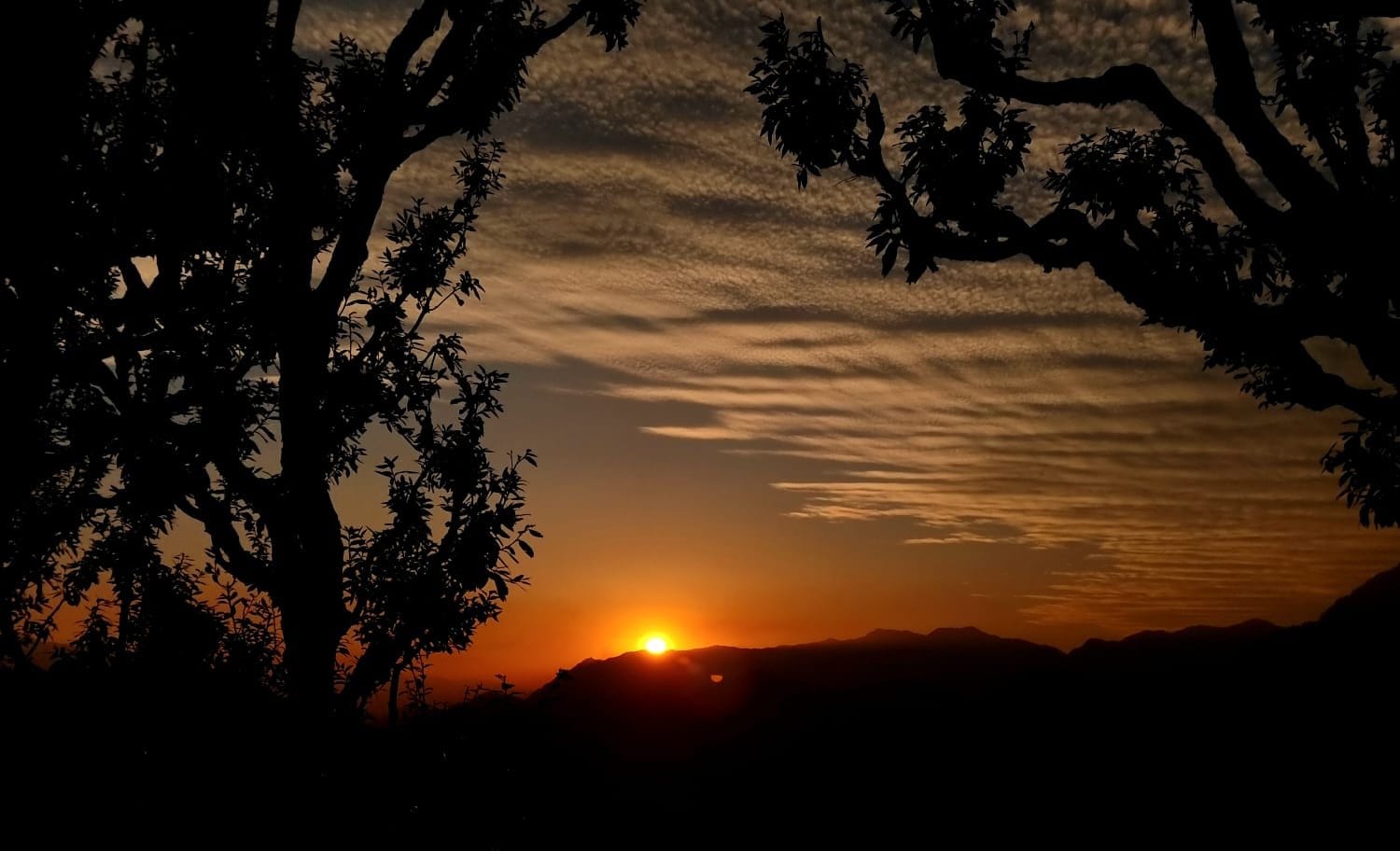
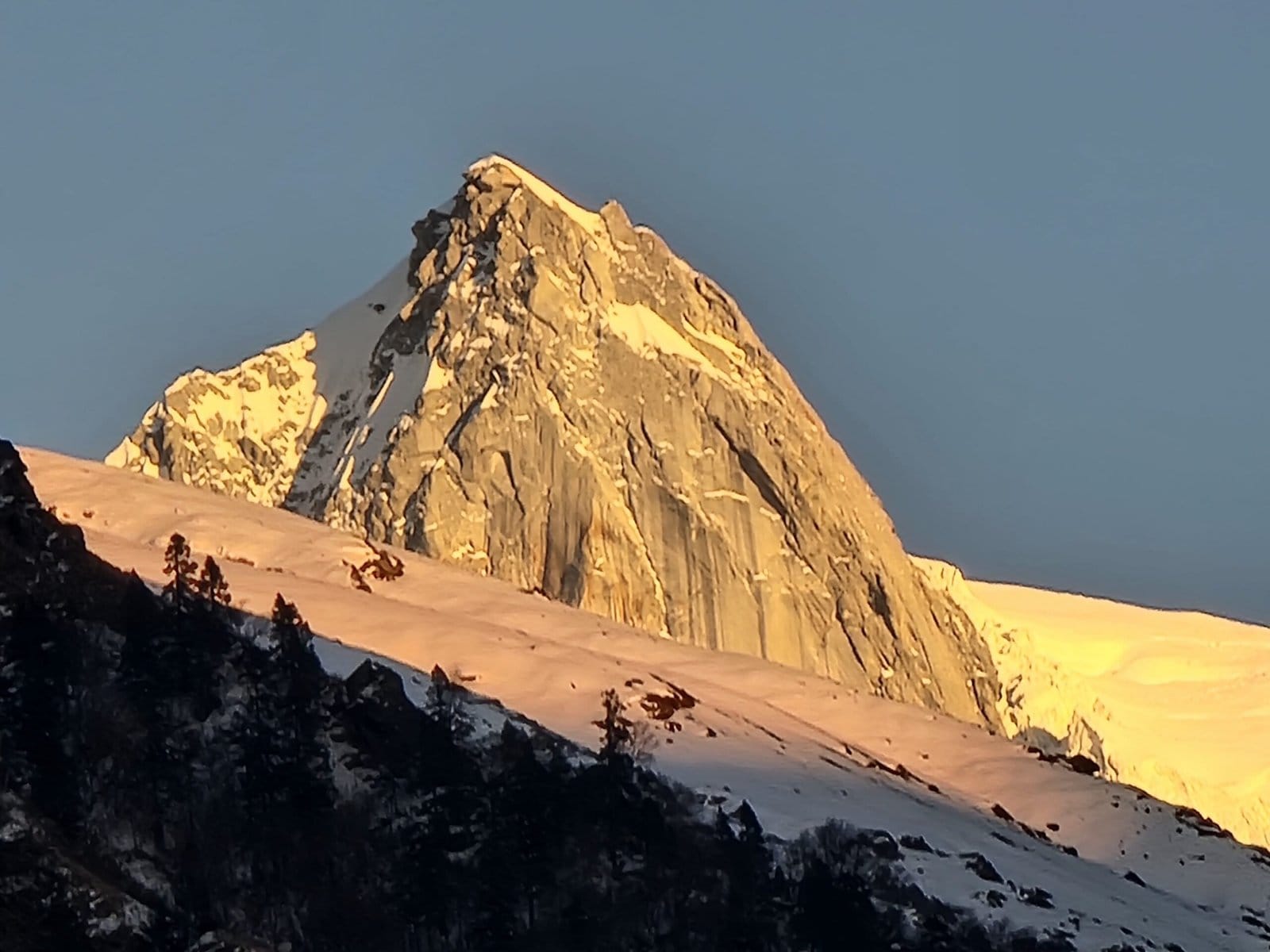
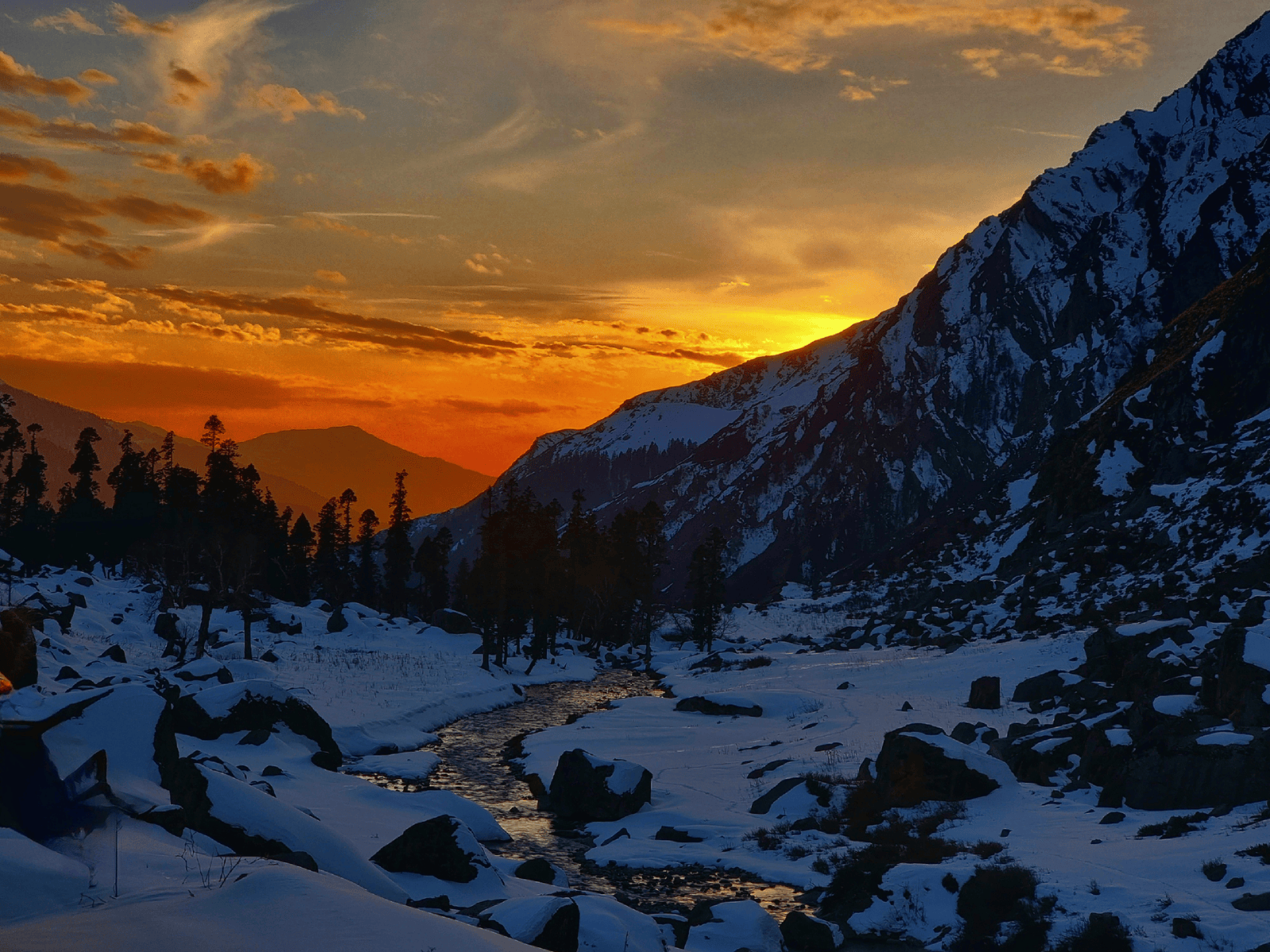
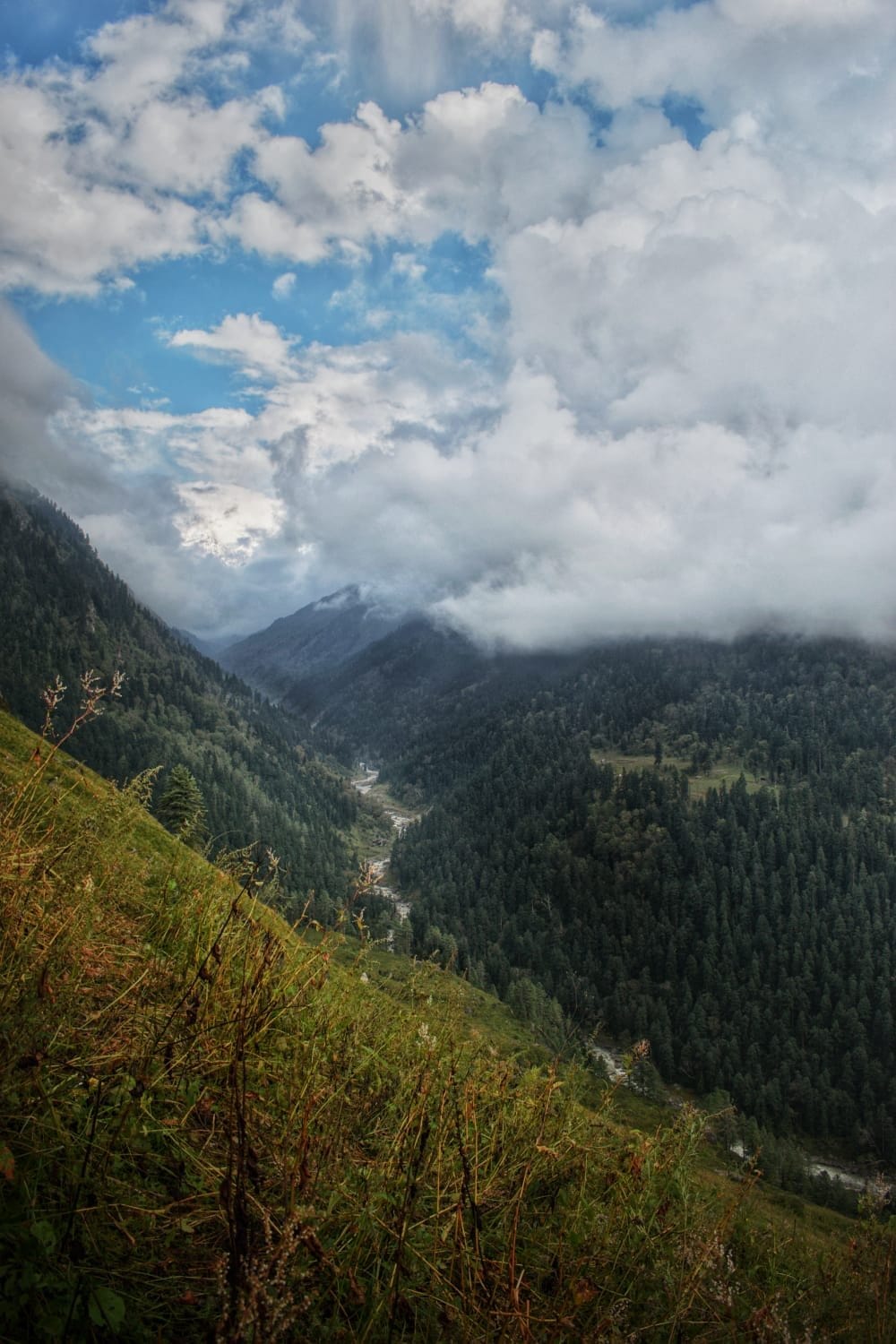
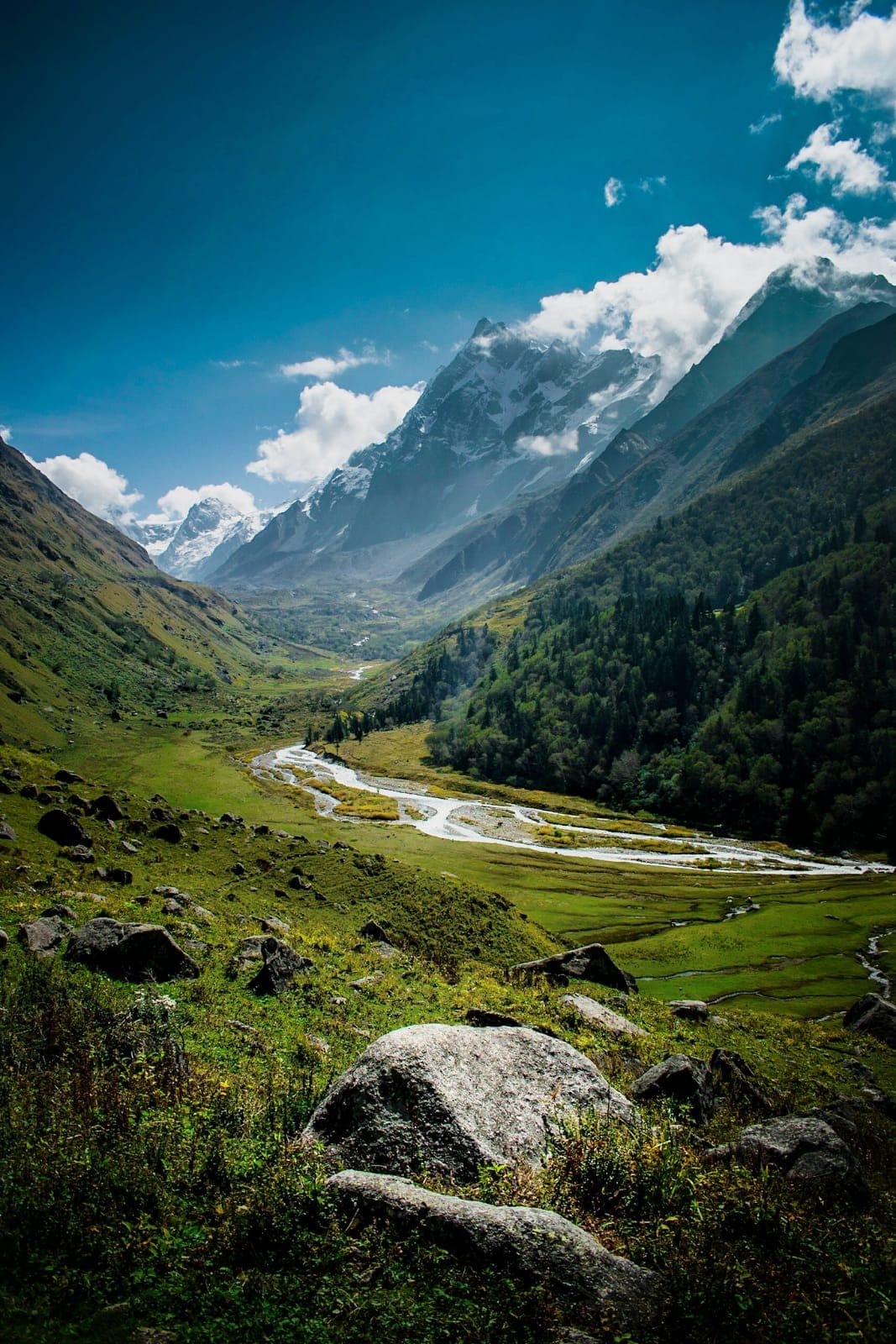
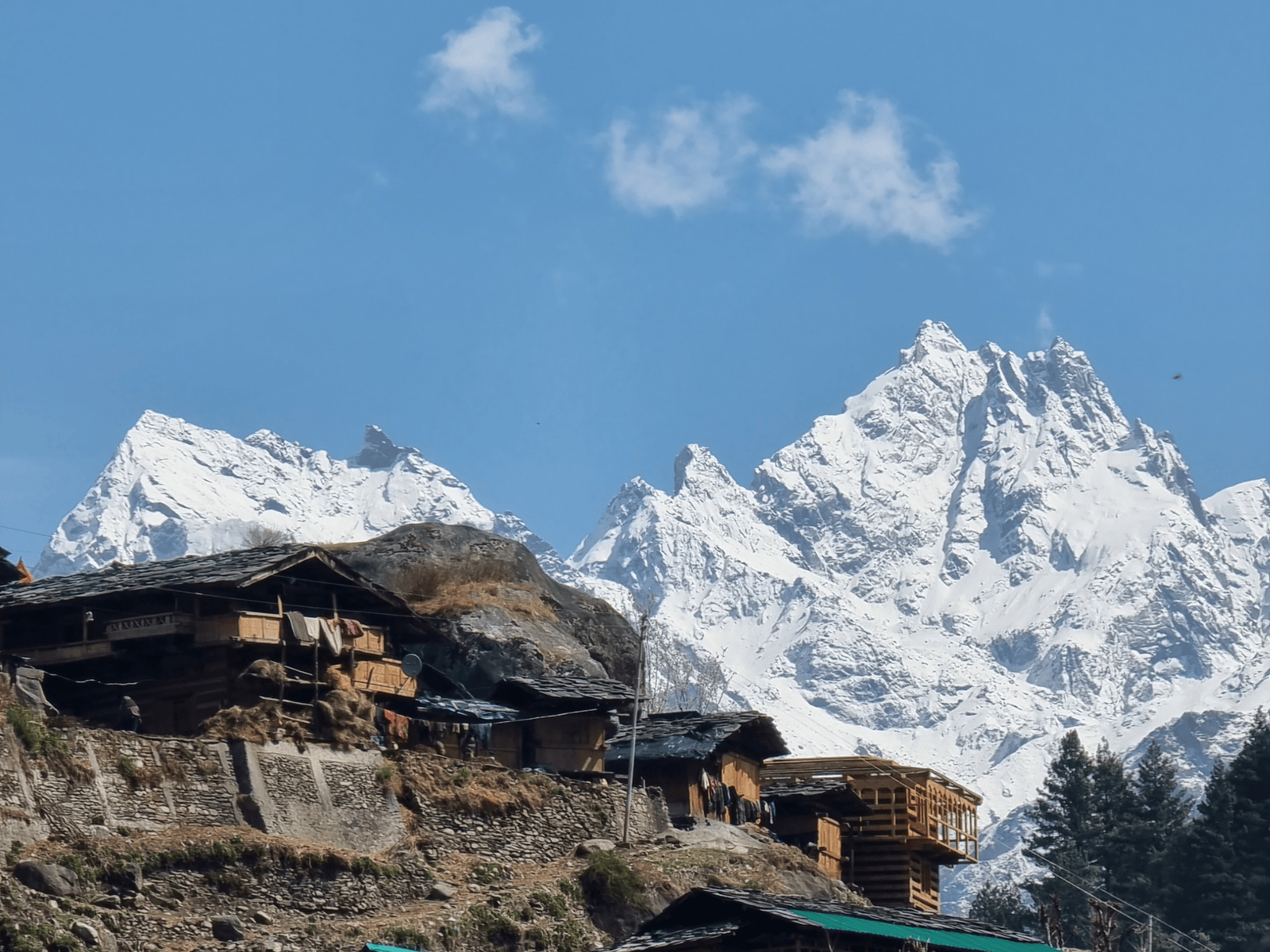
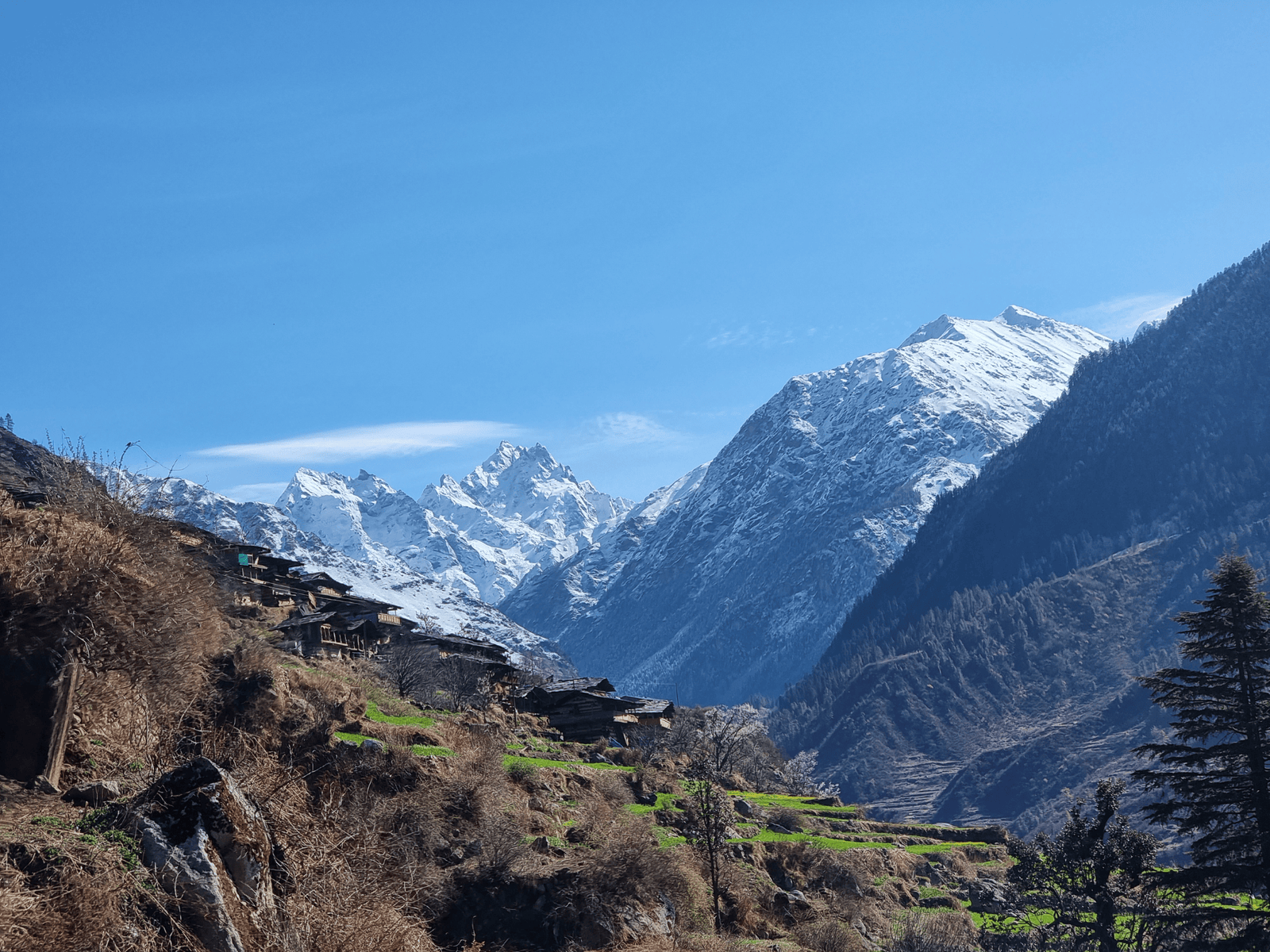
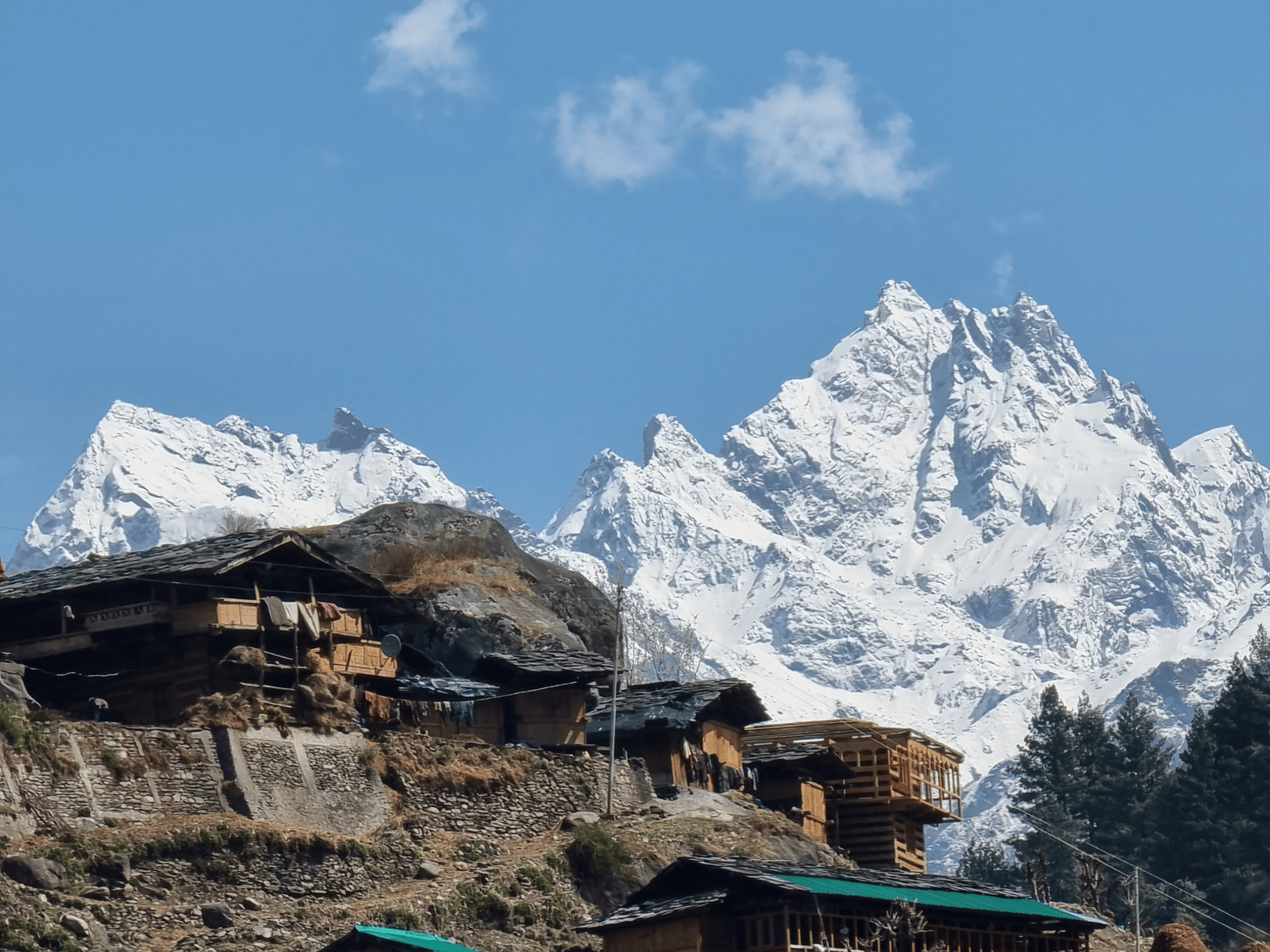
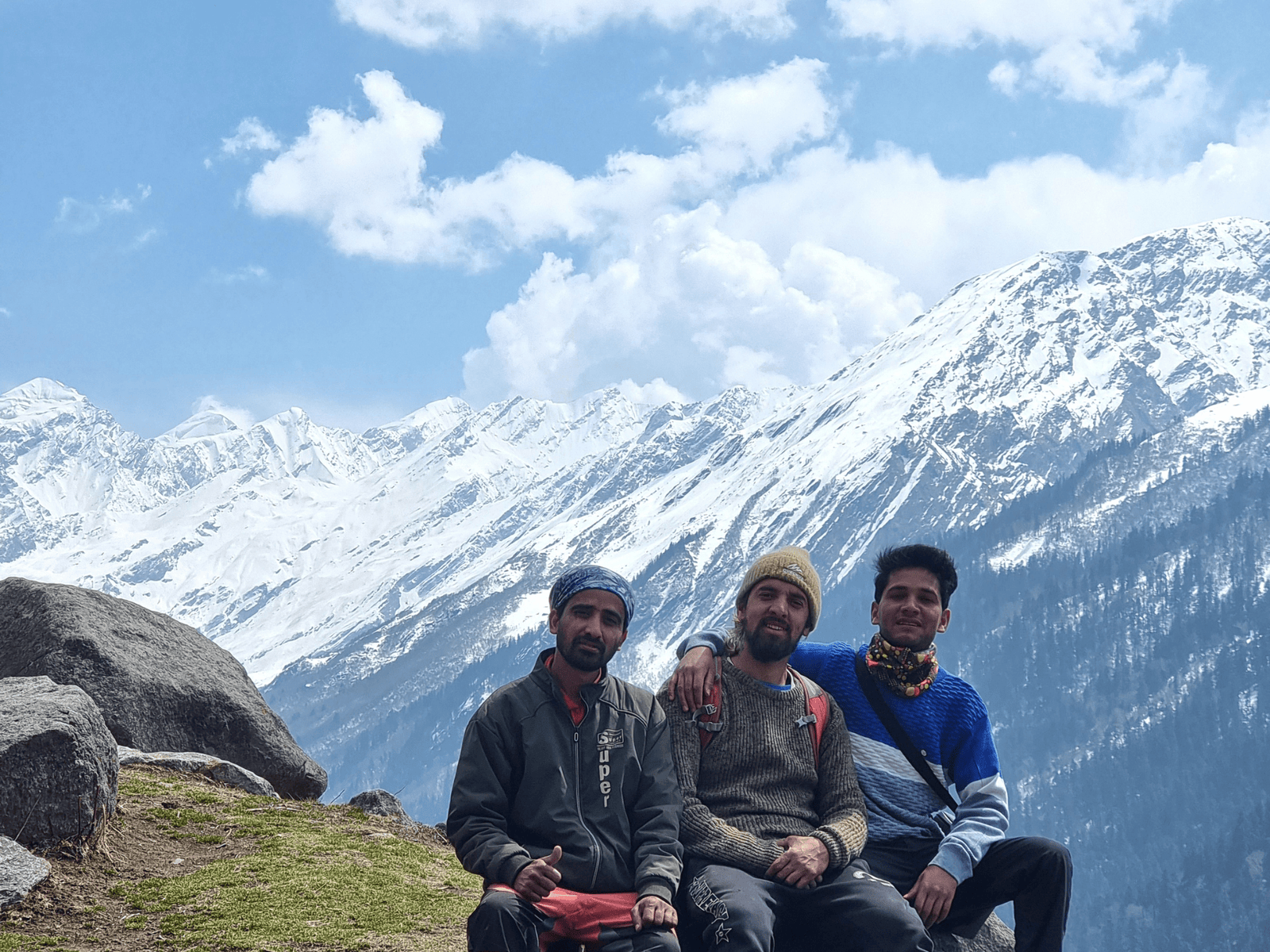
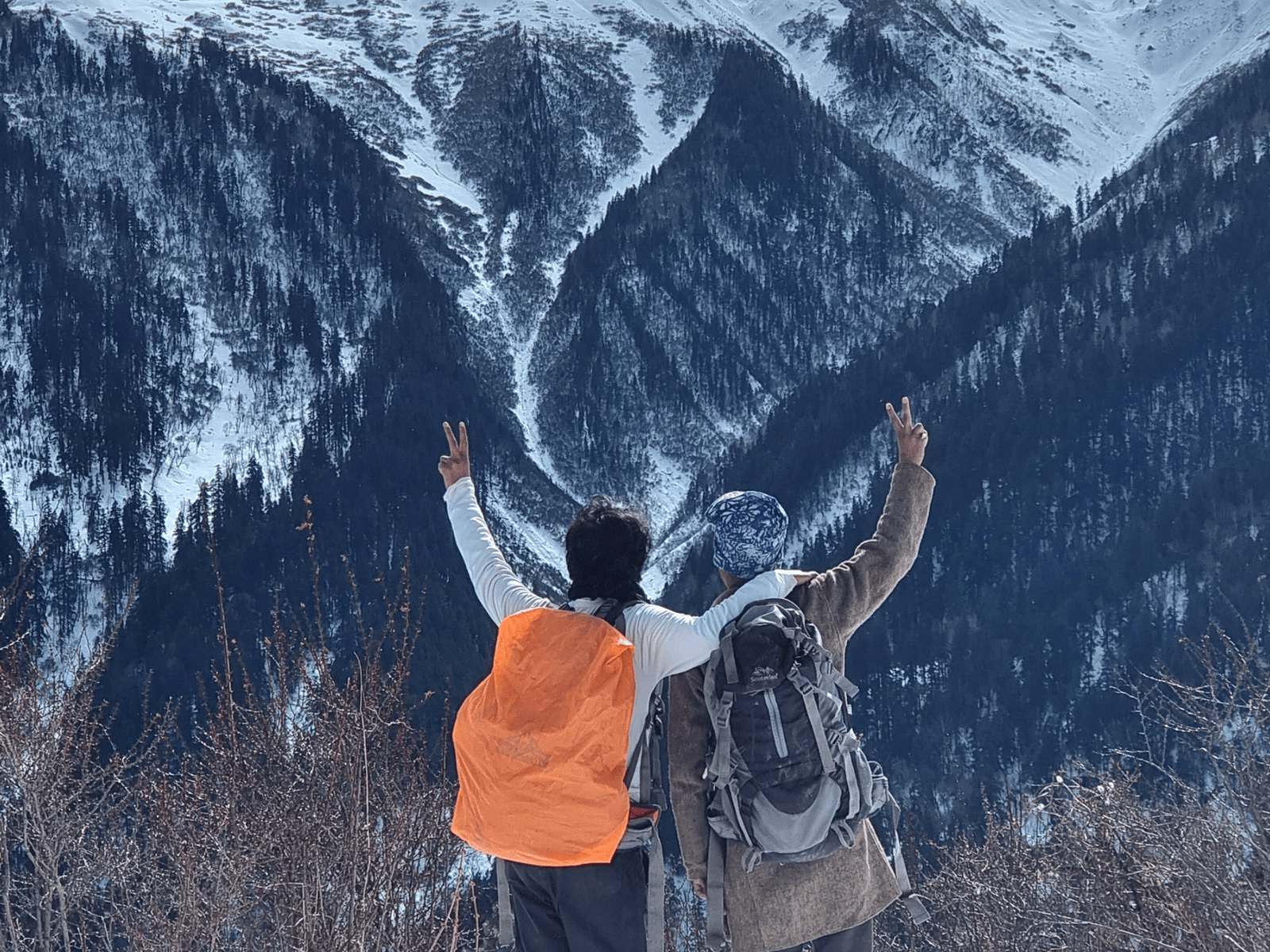
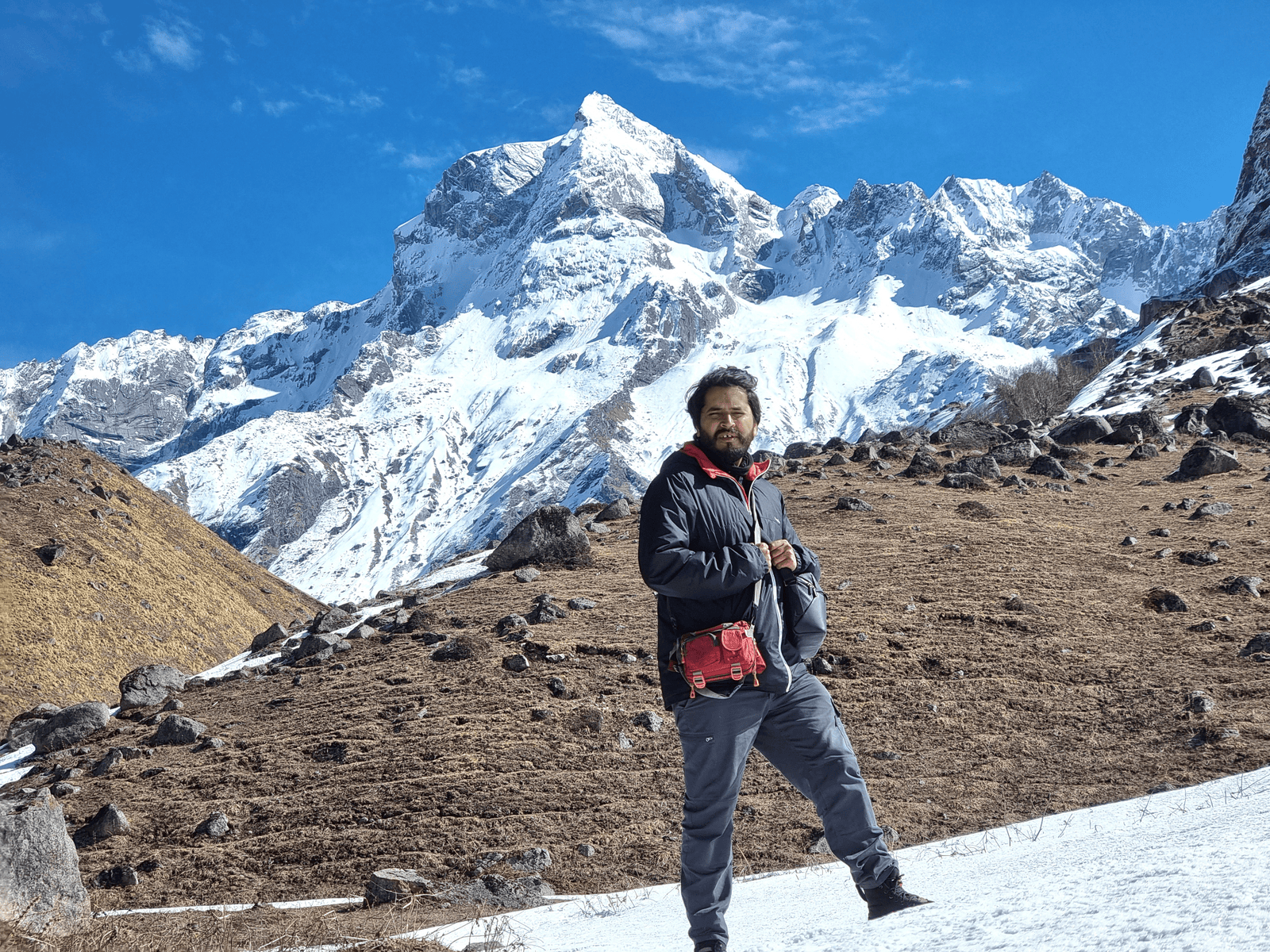
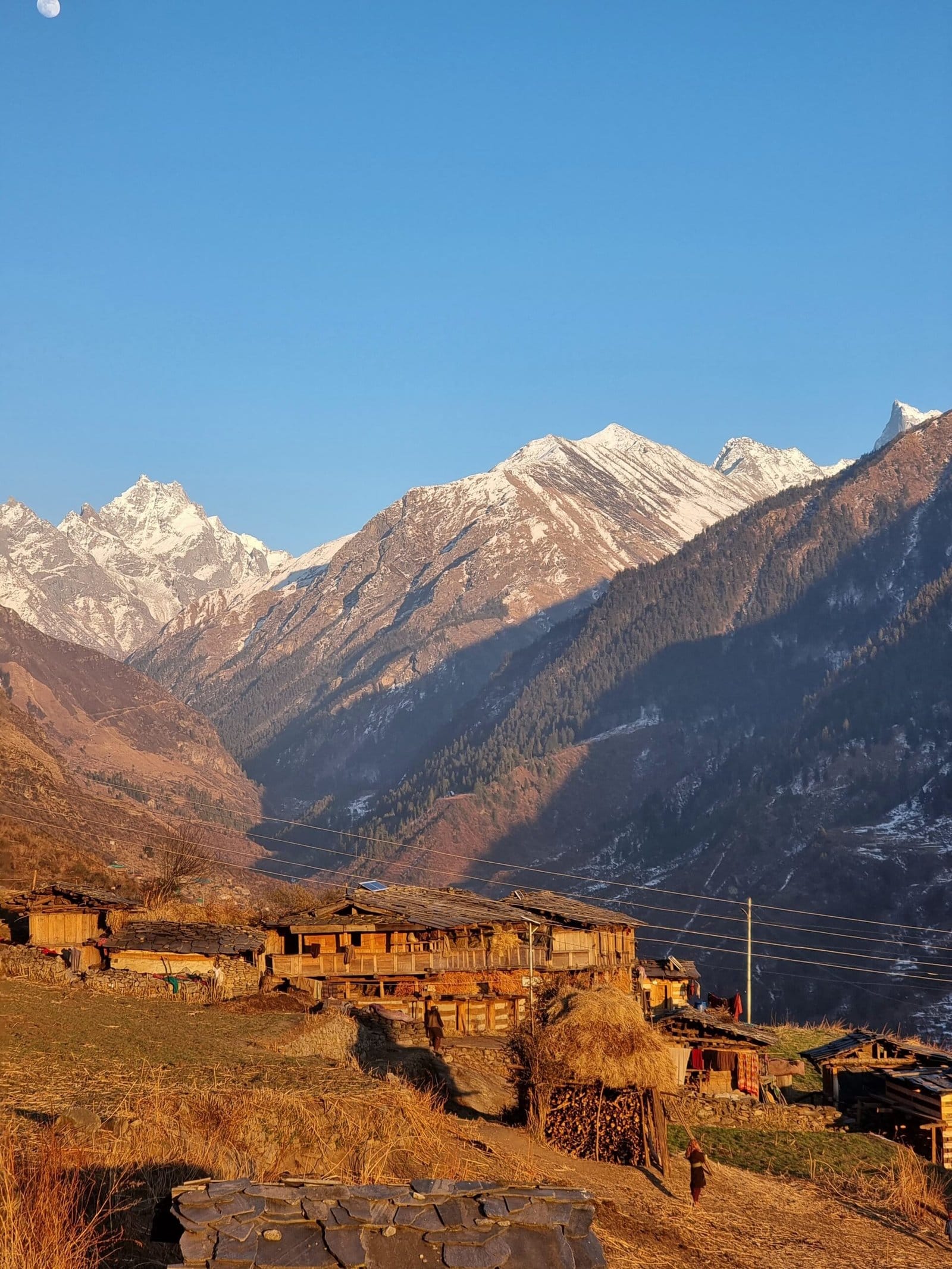
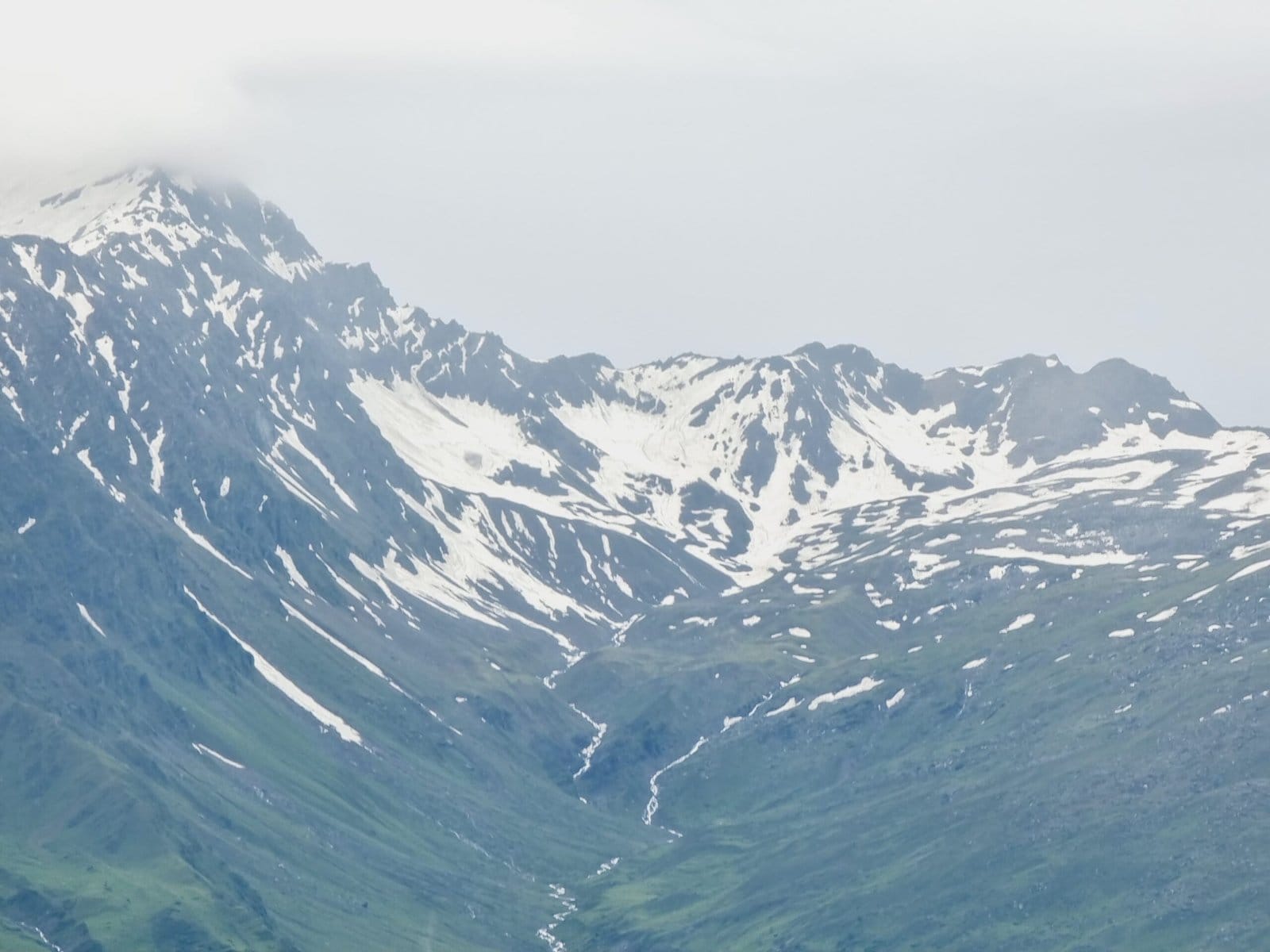
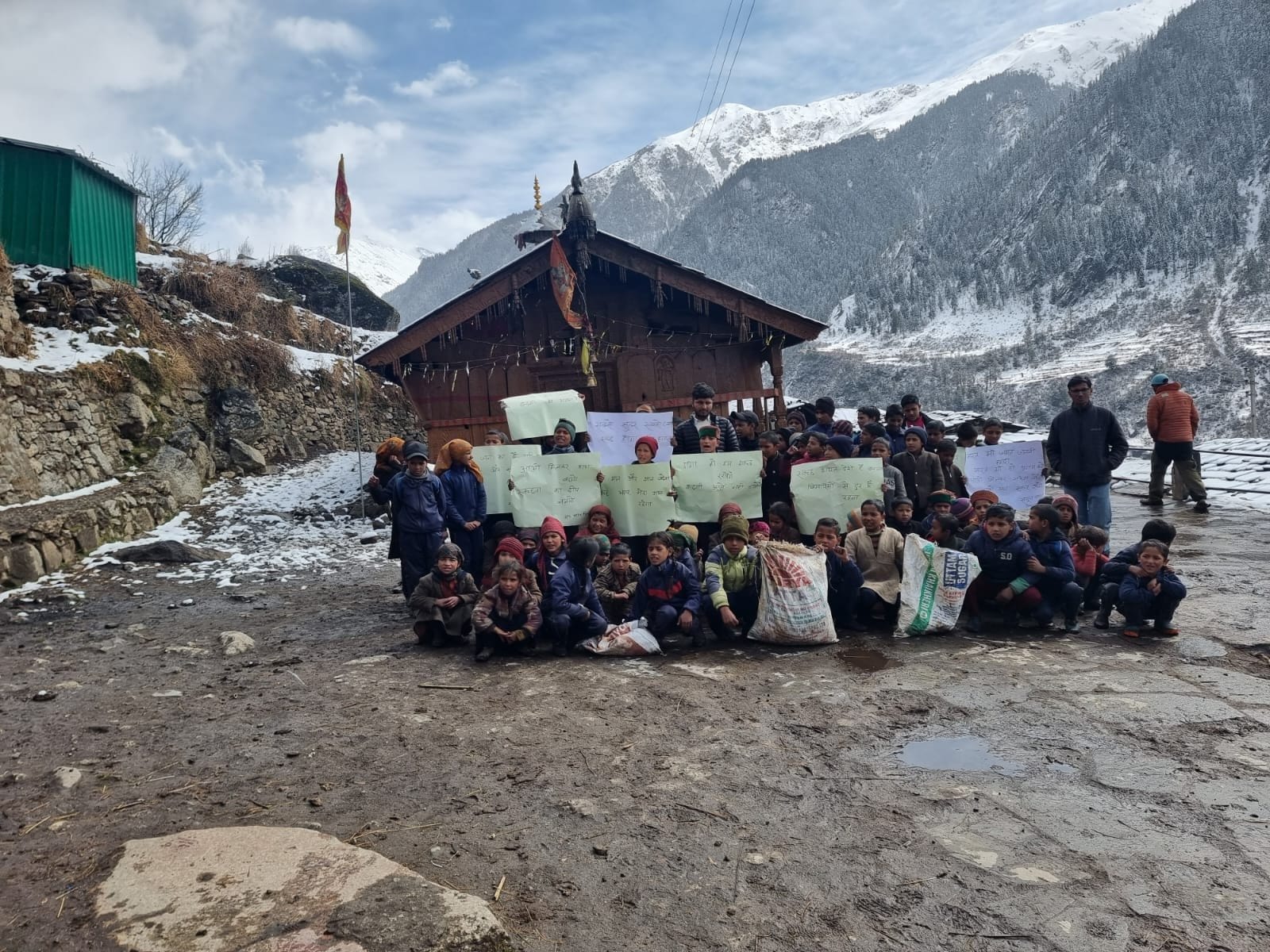
The Har Ki Dun trek is an amazing adventure in the Indian Himalayas. It’s located in the Garhwal region of Uttarakhand, India. The trek usually takes around 5-6 days to complete. You’ll start from Sankri village and trek through beautiful forests, charming villages, and scenic landscapes. The highlight of the trek is reaching the Har Ki Dun meadow, which offers breathtaking views of snow-capped peaks. It’s a moderate trek that’s suitable for both beginners and experienced trekkers.

Har Ki Dun Trek
Trek Details
Duration
5 Days / 4 Nights
Max Altitude
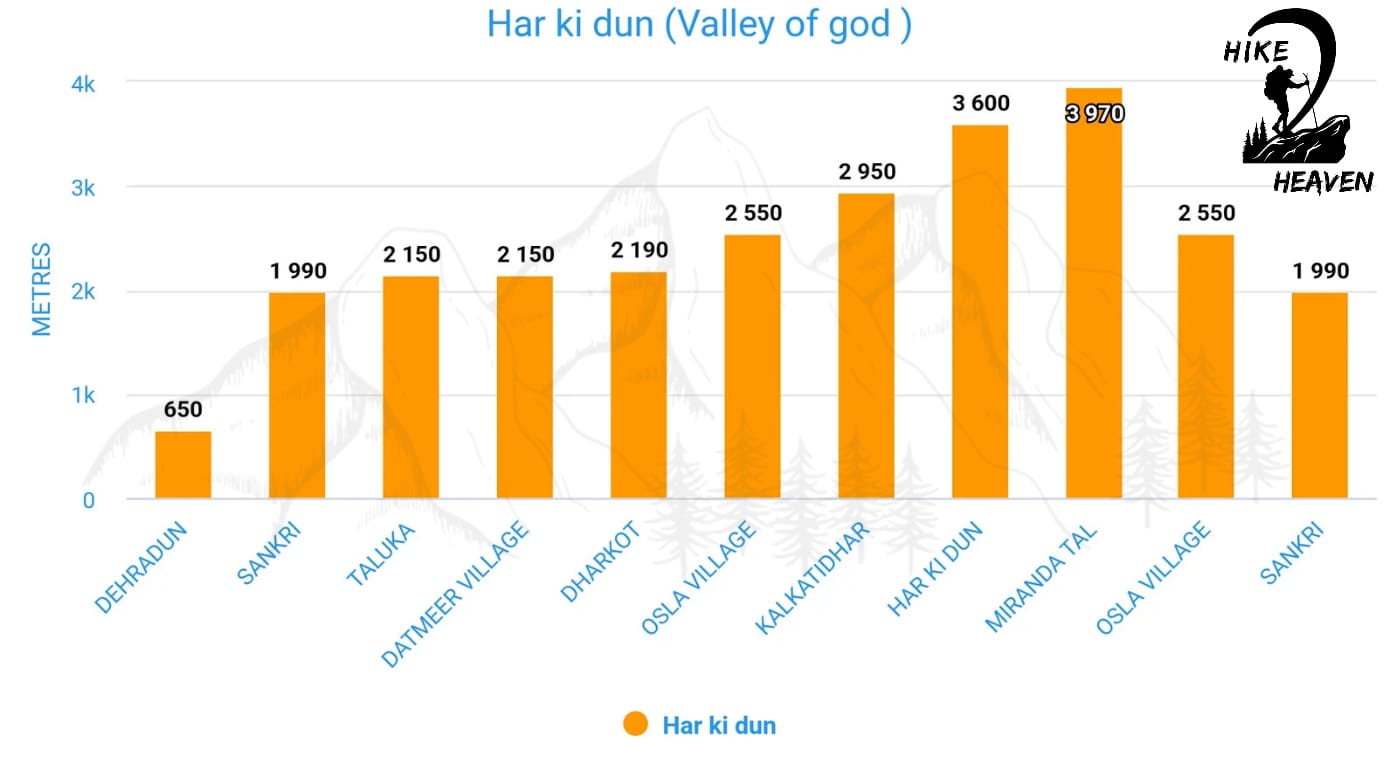
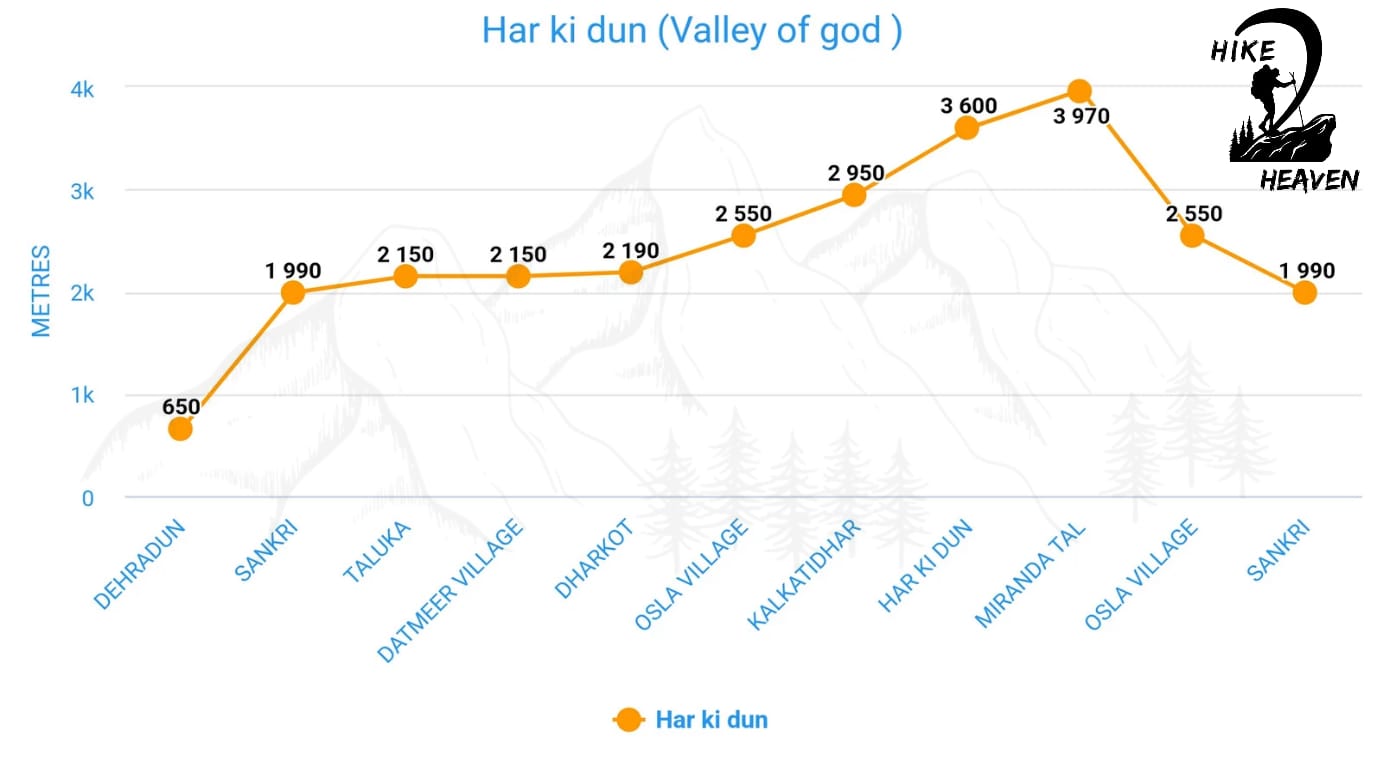
3600 m
Trek Length
38 KM
Difficulty
ModerateBest Season
March to june, Sep to Nov
Overview
Your Adventure at a Glance
About the Trek
Mythology, Best Time & More More
Significance
Mythology and Cultural
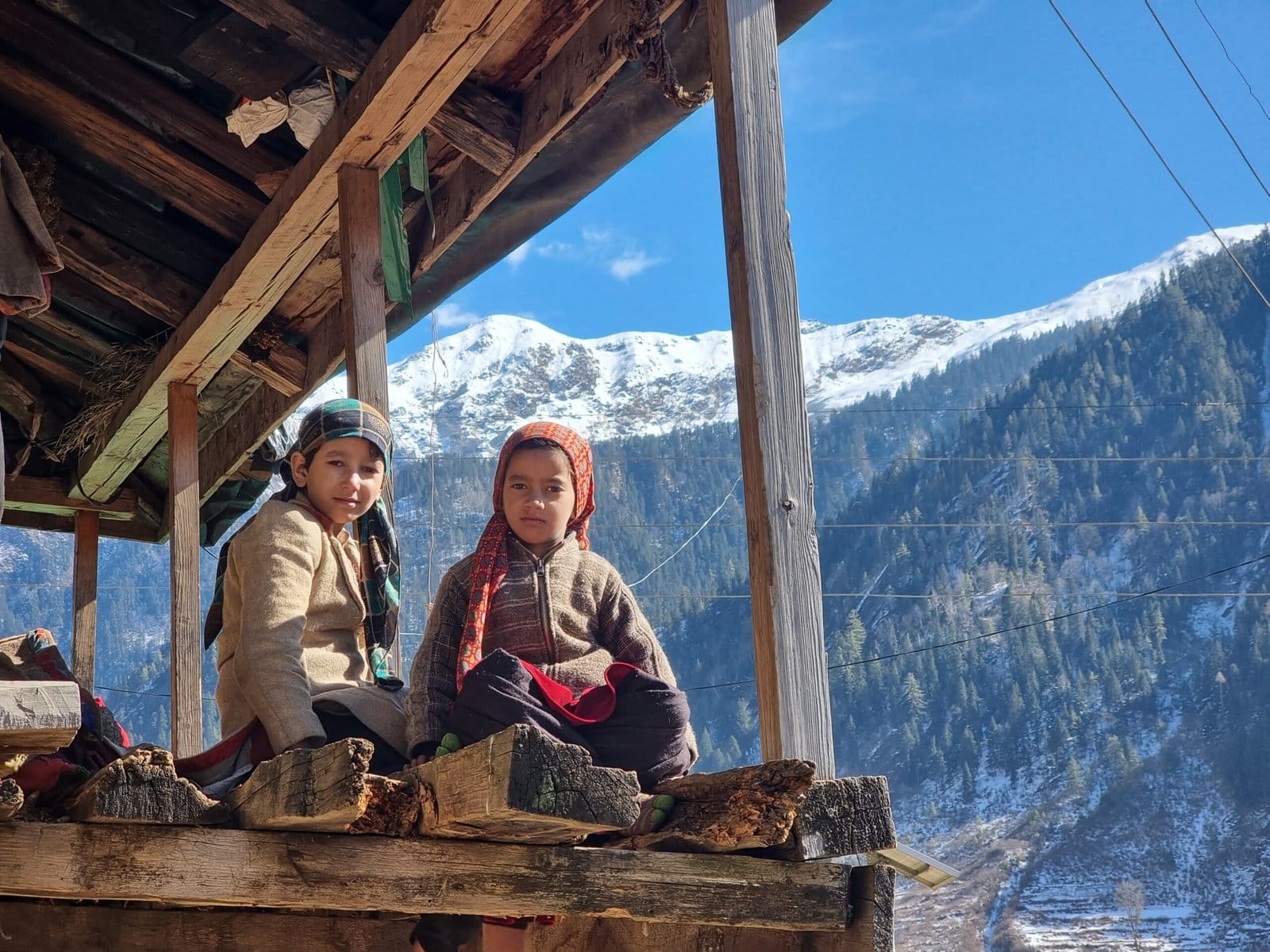
Har Ki Dun holds cultural significance as it is believed to be the path taken by the Pandavas from the Mahabharata epic, and it allows you to experience the rich traditions and festivals of the Garhwal region.
Month
Best Time
The ideal time to embark on the Har Ki Dun trek is during the months of March to June and September to November. These months offer pleasant weather and clear views of the stunning landscapes. It's best to avoid the monsoon season (July and August) due to heavy rainfall, and the winter months (December to January) due to heavy snowfall. So, plan your trek accordingly for the most enjoyable experience!
Day-by-Day Plan
Trek Itinerary
Day 1
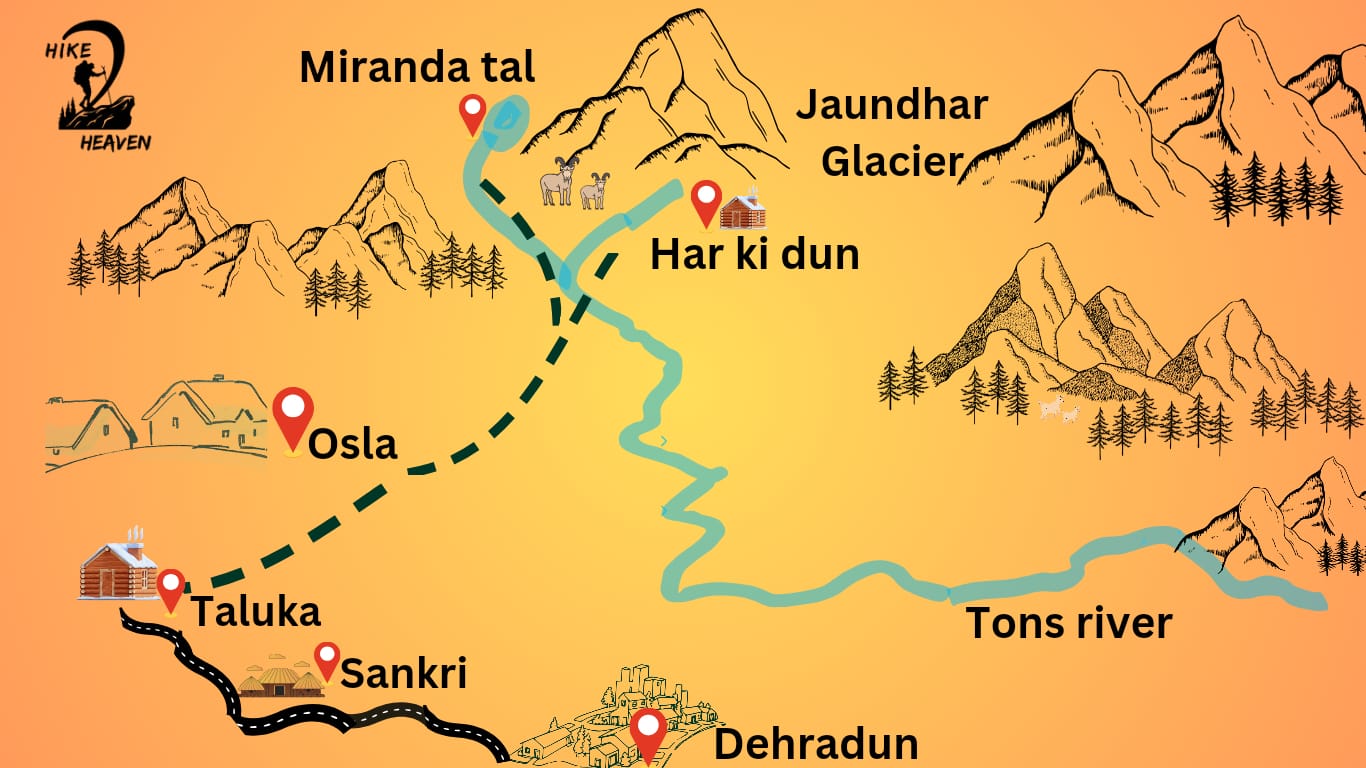
Dehradun to Sankri village
Sankri: A Remote Himalayan Hamlet: Sankri, located in the Uttarkashi district, is more than just a base camp for trekkers; it's a serene village that offers a peek into the untouched beauty of the Garhwal Himalayas.
The Drive: Covering approximately 220 kilometers, the journey from Dehradun to Sankri takes around 10 hours. The route passes through Mussoorie, Barkot, and Purola, showcasing diverse landscapes from bustling hill stations to quiet hamlets.
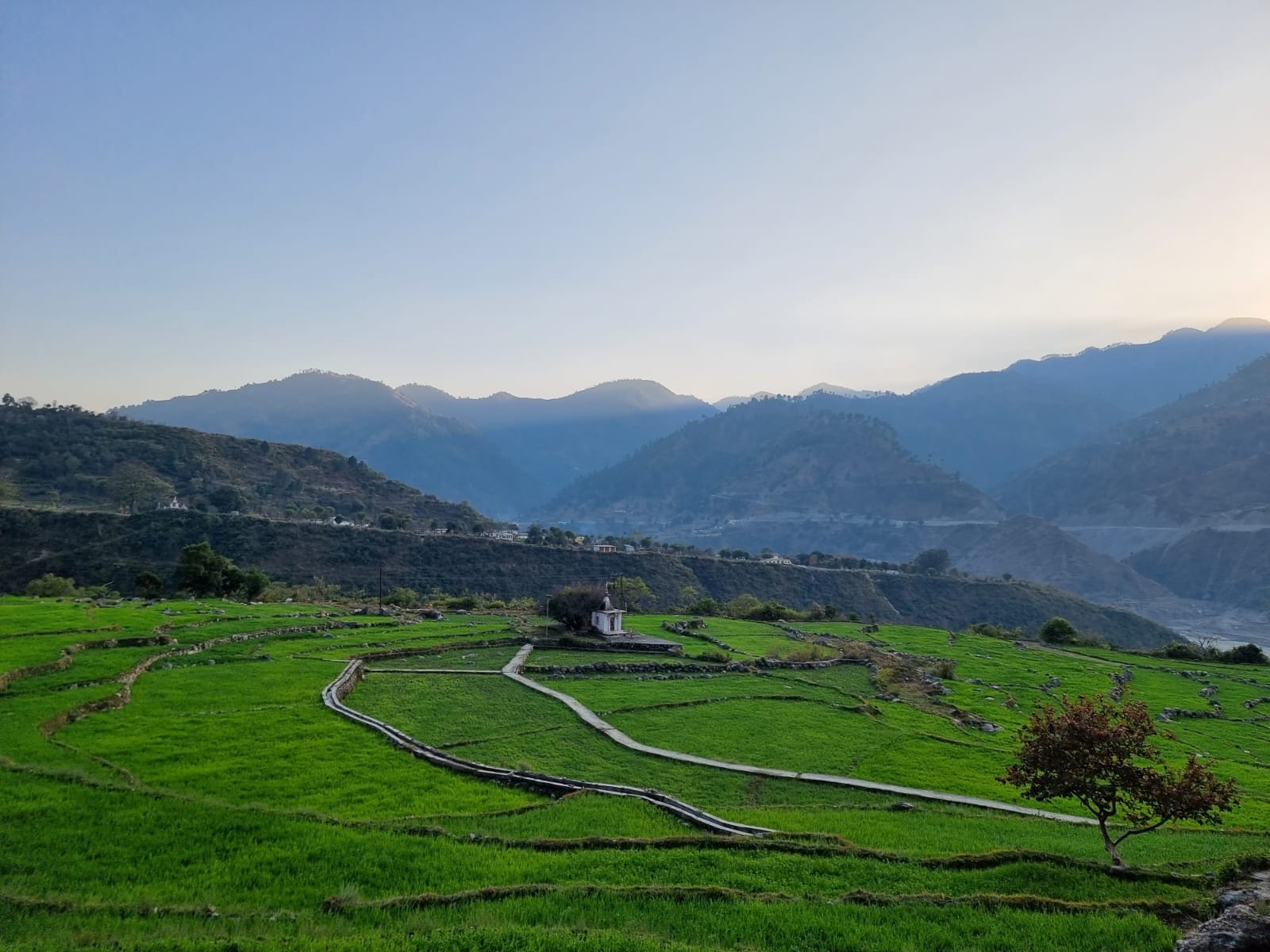
Road Conditions and Scenery: Travelers should be prepared for a mix of road conditions. While the initial stretch up to Mussoorie offers well-paved roads, the journey beyond can present challenges with occasional rough patches and narrow sections. The route meanders through pine forests, alongside rivers, and offers views of terraced fields, introducing travelers to the rural beauty of Uttarakhand.
Mussoorie Bypass: A scenic detour that offers breathtaking views of the Doon Valley.
Mori River: The drive along this river is particularly picturesque, with opportunities to spot diverse birdlife.
Remote Villages: The route passes through several remote villages, where life moves at a slower pace. These areas offer a glimpse into traditional Garhwali culture and lifestyle.
Prepare for Variability: Weather conditions can change rapidly, affecting road conditions. It's advisable to check weather forecasts and local advisories before departure.
Stay Hydrated: The long drive and altitude gain require staying hydrated and taking regular breaks.
Capture the Journey: The route's natural beauty is worth documenting, so keep your camera handy for spontaneous photo ops.
Welcoming Atmosphere: Upon arriving in Sankri, trekkers are greeted with the warm hospitality of the locals. The village is a tight-knit community, with homestays and guesthouses providing comfortable accommodations.
Pre-Trek Preparations: Sankri is the perfect place to make final preparations for your trek, with local shops offering trekking supplies and last-minute essentials.
Natural Surroundings: Surrounded by the majestic peaks of the Garhwal Himalayas and dense forests of the Govind Wildlife Sanctuary, Sankri offers tranquility and a deep connection with nature. The village itself presents a picturesque setting, with traditional wooden houses, apple orchards, and the soothing sound of the Supin River.
Day 2
Sankri to Dhaatmeer to Osla village
Sankri: A quaint hamlet nestled in the Uttarkashi district, Sankri serves as the threshold to the enchanting world of the Himalayas.
By Road: The initial leg of the journey from Sankri to Dhaatmeer covers a distance of approximately 12 kilometers. This stretch is characterized by winding mountain roads, offering glimpses of rural Uttarakhand life.
Road Conditions and Scenery: The journey to Dhaatmeer might challenge travelers with its narrow and occasionally rough patches. However, the route compensates with its scenic beauty, showcasing lush forests, cascading waterfalls, and the vibrant culture of mountain communities.
Trek Distance: From Dhaatmeer, trekkers set off on a 7 kilometer trek to Osla Village. This path winds through dense forests, alongside the Supin River, and across wooden bridges, gradually ascending into the heart of the Himalayas.
Trek Experience: The trek from Dhaatmeer to Osla is a blend of natural beauty and cultural immersion. Trekkers are treated to stunning views of the Garhwal mountains, interspersed with meadows and streams.
Flora and Fauna: The trail is alive with the sounds and sights of Himalayan flora and fauna. Trekkers can spot a variety of birds, and if lucky, glimpses of wildlife such as Himalayan Monal or even a Leopard in the distant.
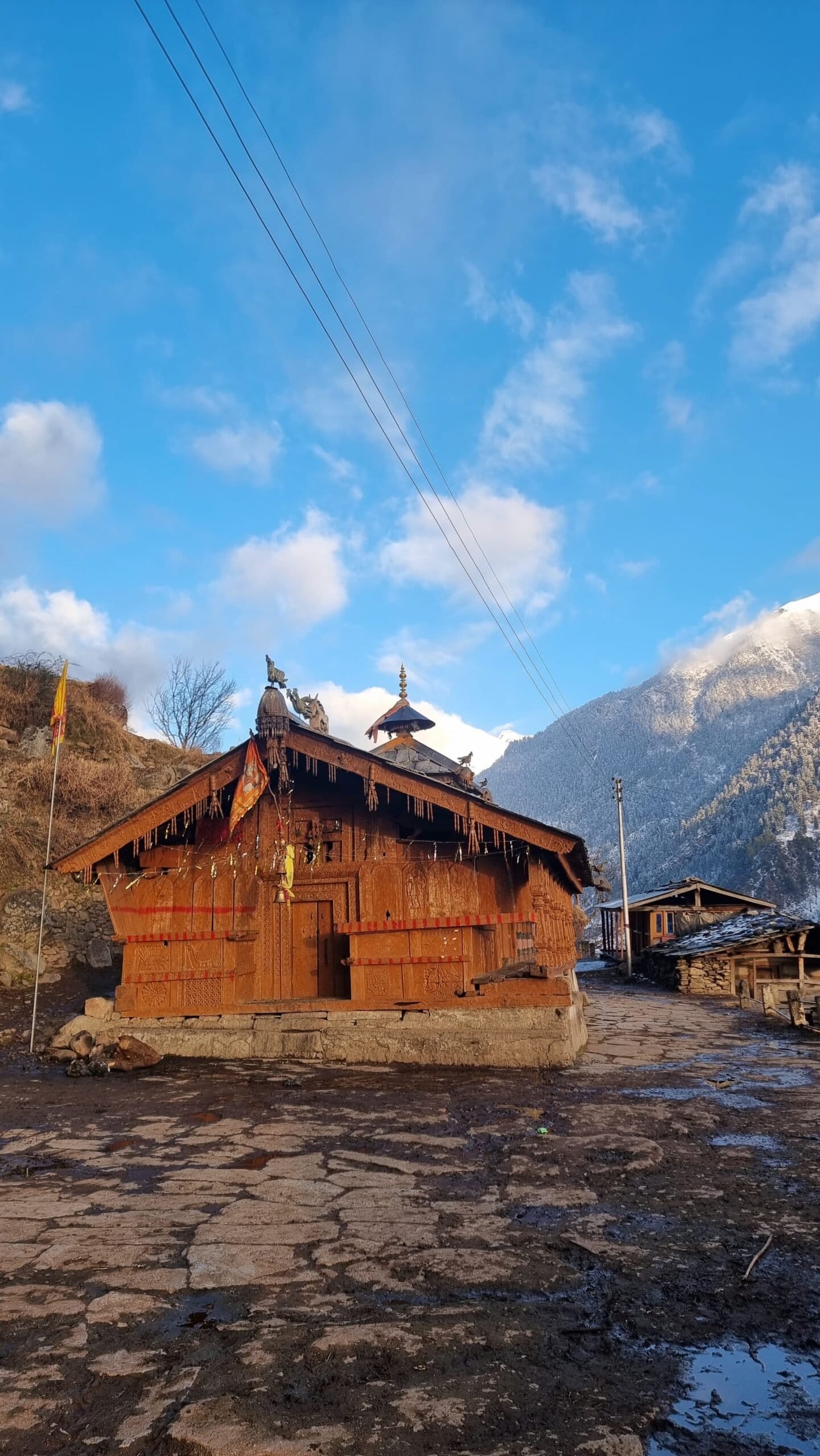
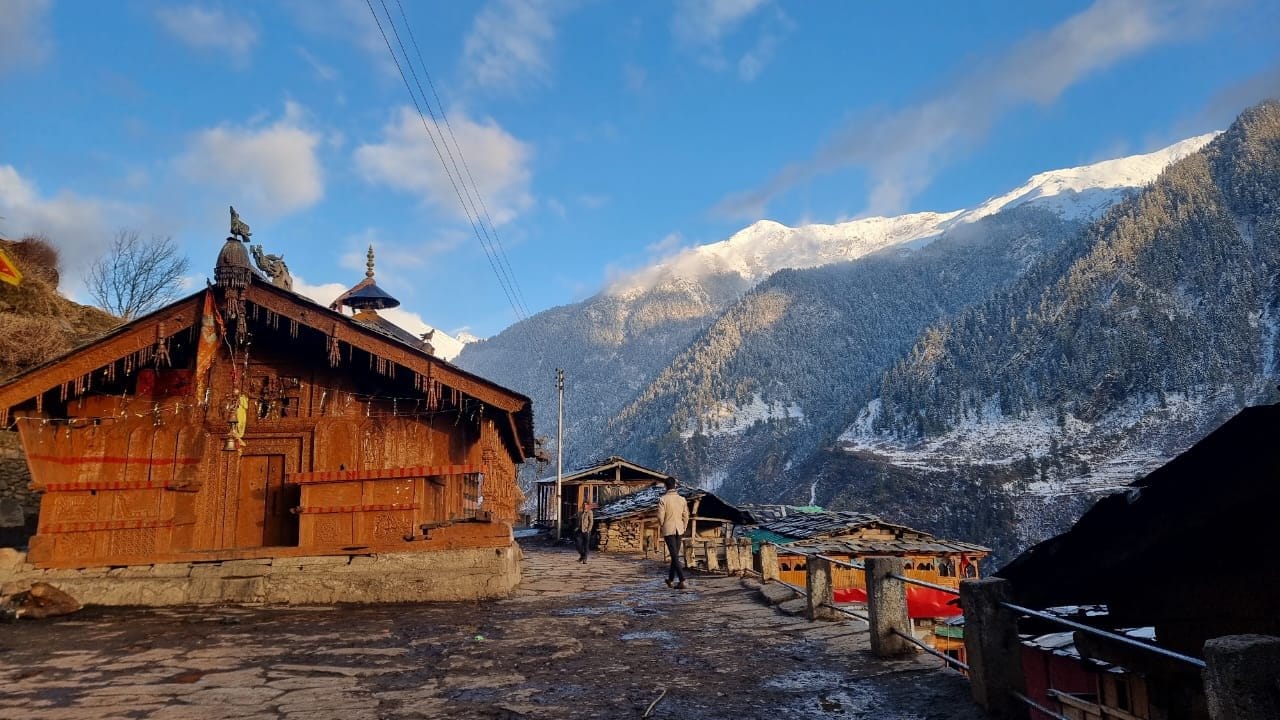
Cultural Richness: Osla Village itself is a treasure trove of Garhwali culture, with its traditional wooden houses, ancient temples, and the warm hospitality of its residents.
Ancient Temples: Among Osla’s many attractions is the unique temple dedicated to Duryodhana, a character from the Mahabharata, showcasing the village’s distinct cultural narrative.
Osla Village: After the rigorous trek, Osla emerges as a haven of peace and tradition. Situated at an elevation of around 2,590 meters, it offers a serene environment and breathtaking views of the surrounding peaks.
Local Interaction: Staying in Osla provides an excellent opportunity to interact with the locals and learn about their lifestyles, traditions, and stories connected to the land.
Preparation for Further Trek: For trekkers heading deeper into the mountains, Osla serves as an important rest point to acclimatize and prepare for the challenges ahead.
Pack Light and Right: For the trek segment, carrying only essentials and appropriate trekking gear is advisable.
Stay Hydrated: The trek involves considerable physical exertion, making hydration crucial.
Respect Local Customs: Osla holds deep cultural significance for its inhabitants. Trekkers are encouraged to engage respectfully with the community and participate in local traditions if invited.
Day 3
Osla to Har Ki Dun 12km Trek
Osla Village: Standing as a sentinel of time, Osla is a gateway to the past, with its traditional architecture and ancient temples. Departing from Osla, trekkers embark on a journey through time and nature to the mythical Har Ki Dun valley.
Distance: The trek from Osla to Har Ki Dun stretches over approximately 12 kilometers, leading through diverse terrains that offer a mix of steep ascents, lush meadows, and river crossings.
Ancient Trails: The path to Har Ki Dun is believed to be the same one taken by the Pandavas on their ascent to heaven, infusing the journey with a sense of legend and history.
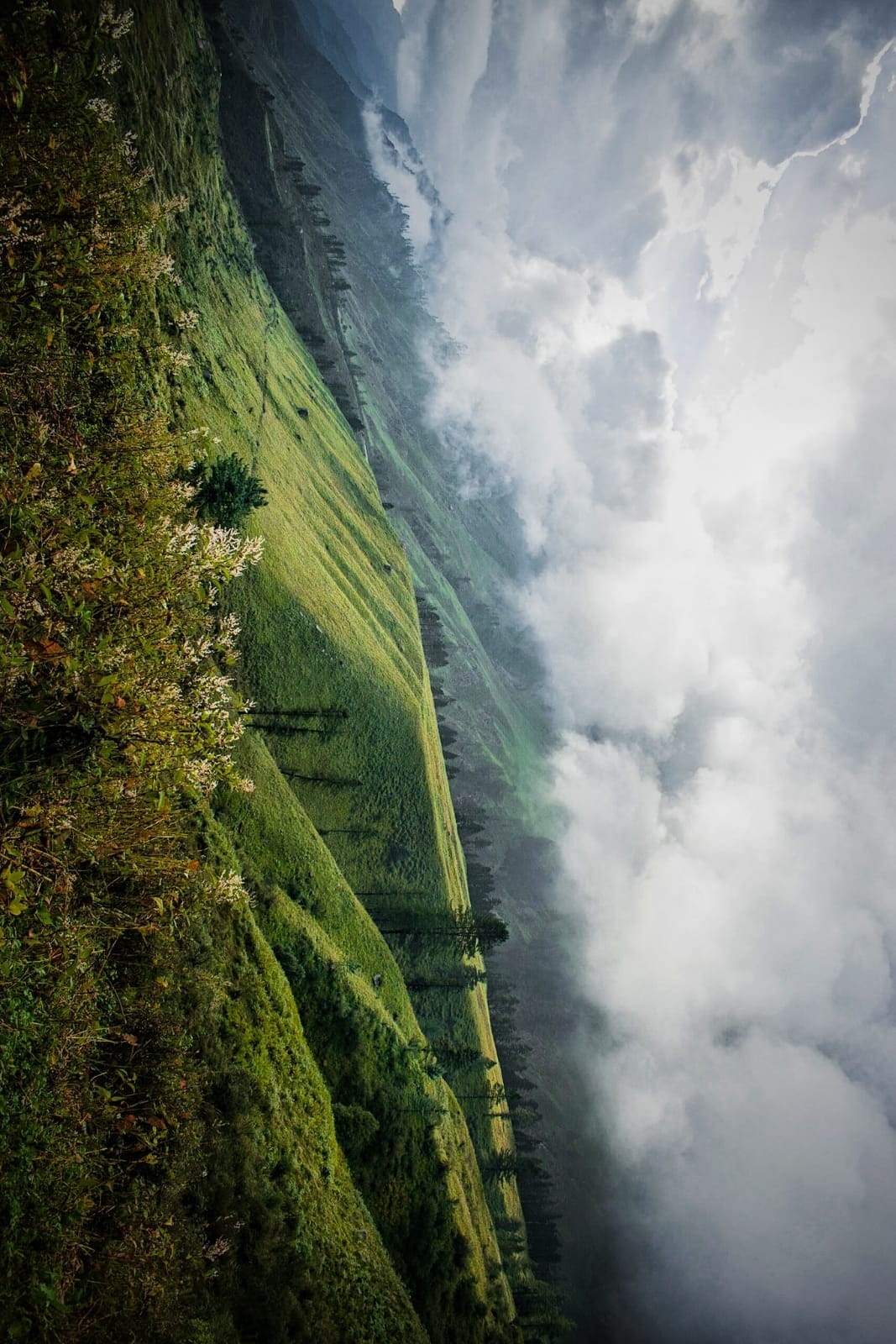
Floral Paradise: Depending on the season, trekkers are greeted by a carpet of wildflowers, including rhododendrons and orchids, creating a vivid mosaic against the green backdrop.
Fauna Sightings: The region is home to wildlife such as the Himalayan Langur, Black Bear, and a plethora of bird species, making it a thrilling experience for nature enthusiasts.
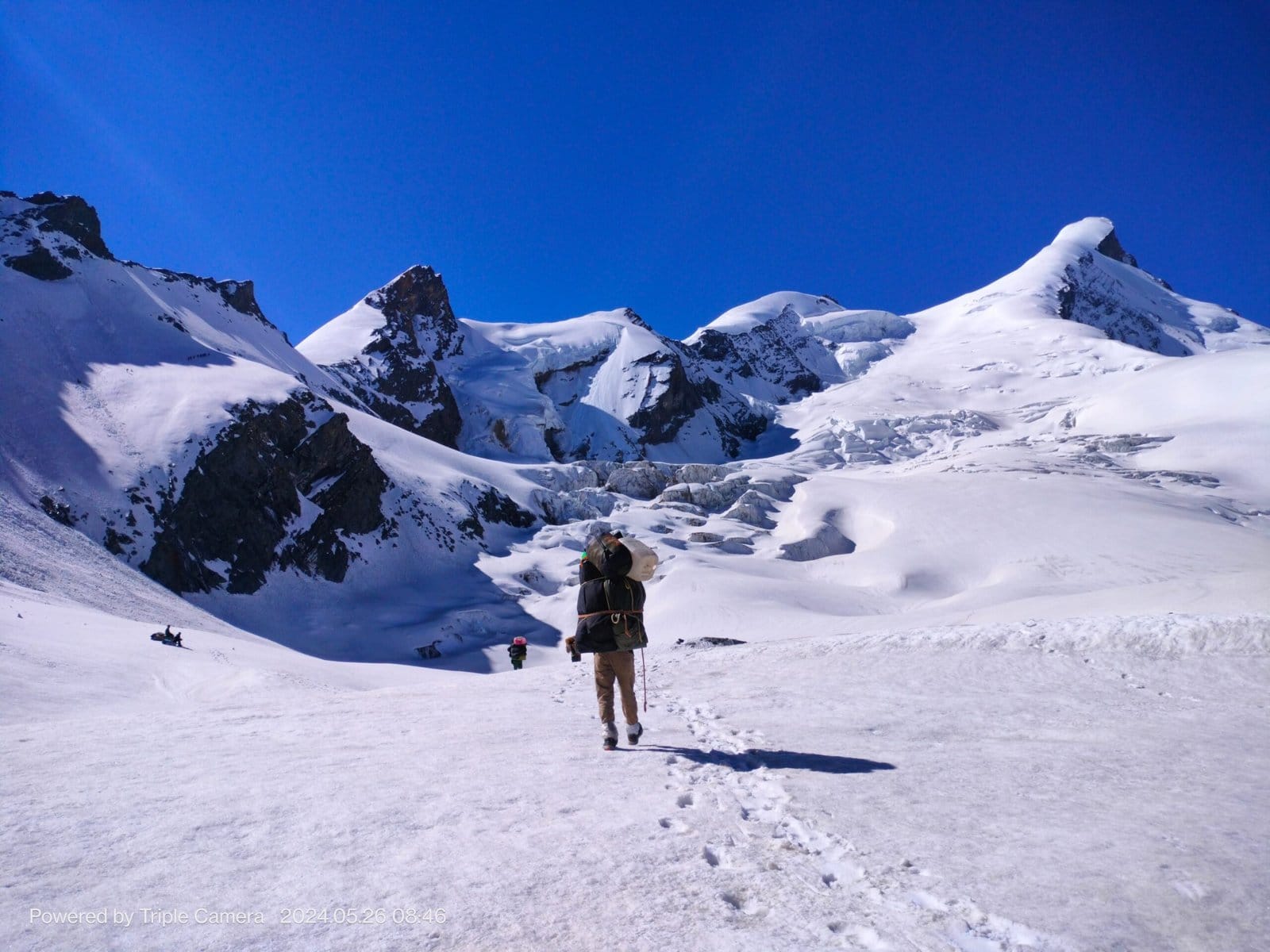
Trek Experience: The trek is a moderate challenge, offering breathtaking views of the Swargarohini and Bandarpunch ranges, with the trail culminating in the serene and expansive Har Ki Dun valley, surrounded by towering peaks and glaciers.
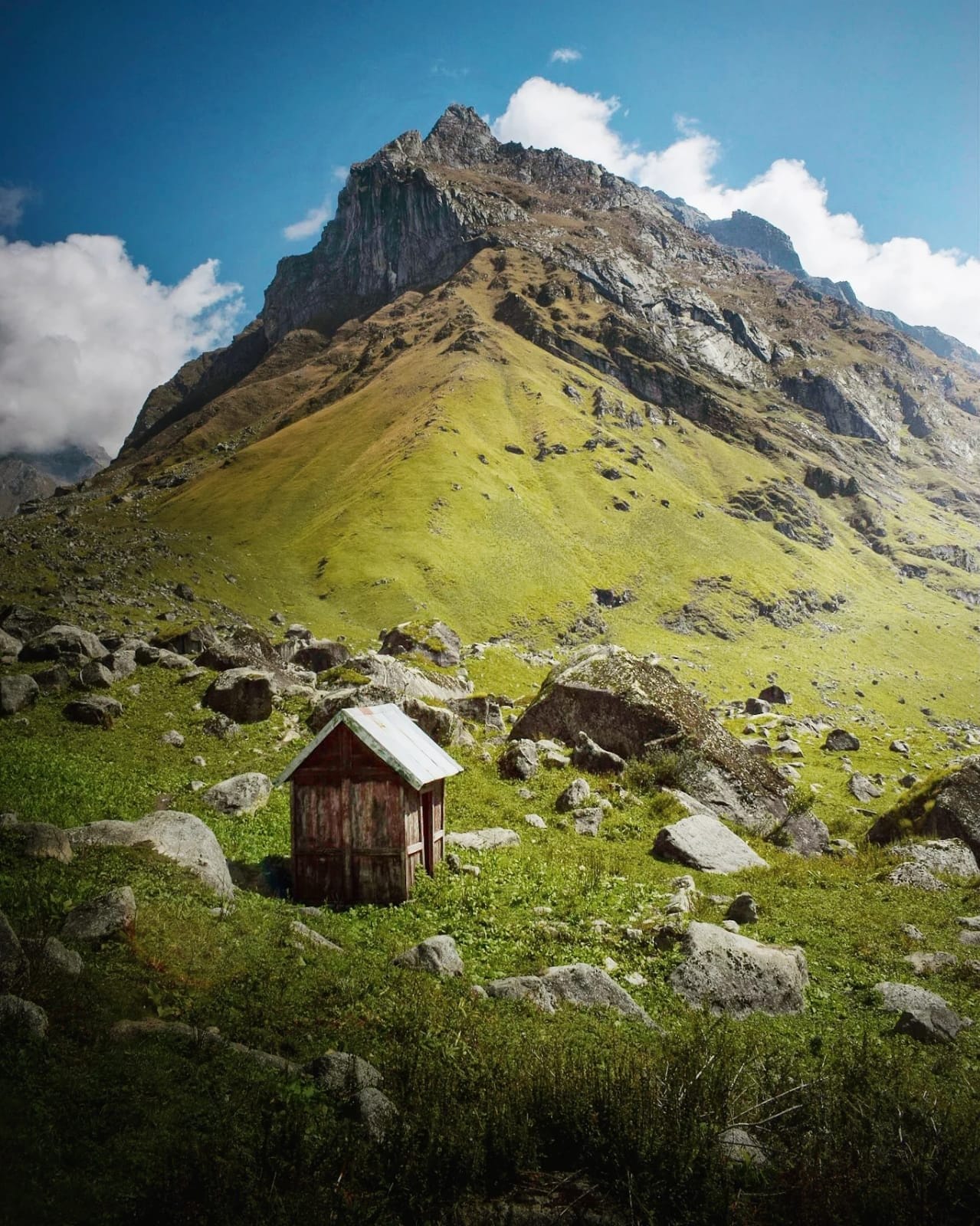
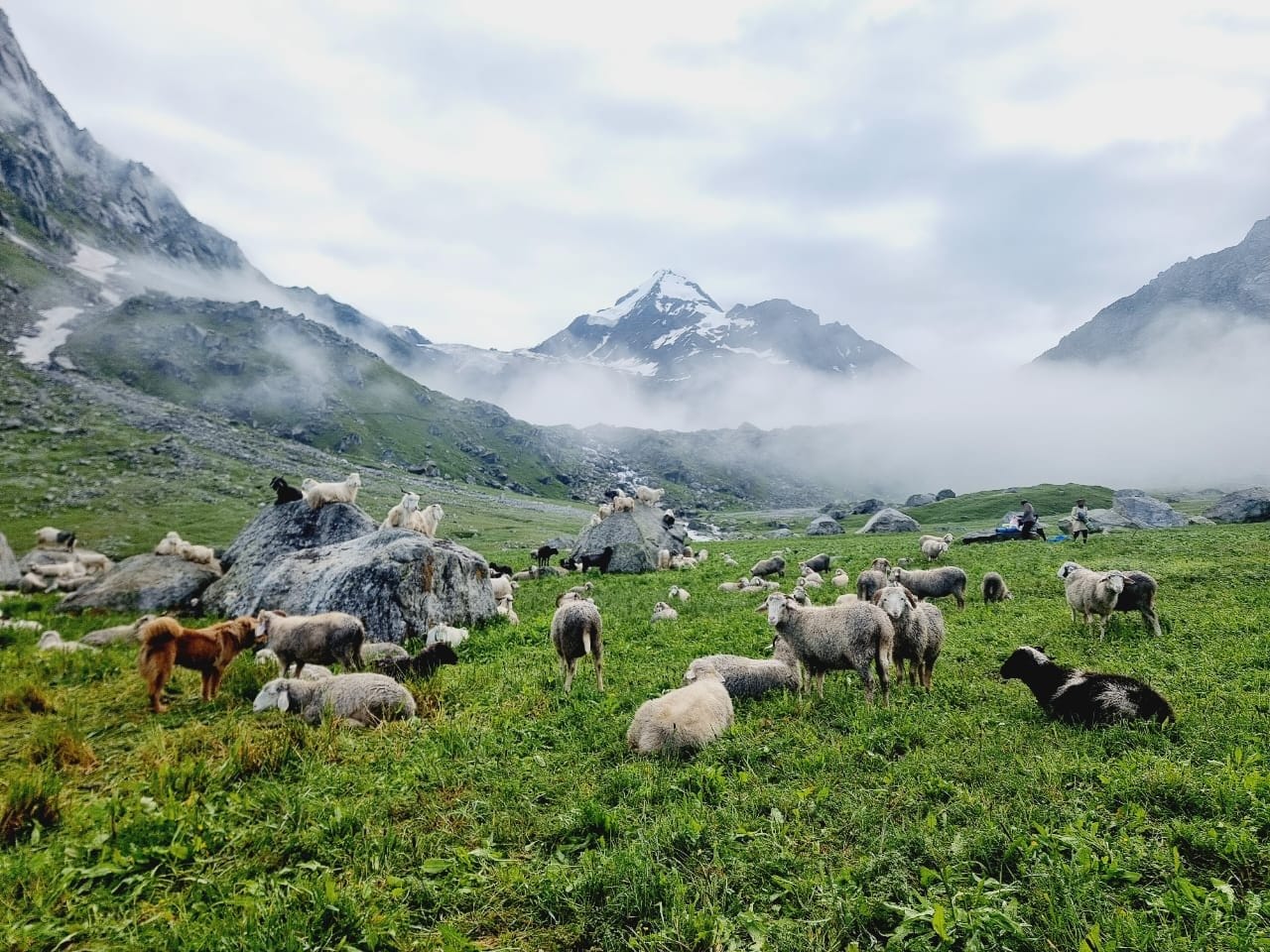
Har Ki Dun Valley: A cradle shaped valley located at an elevation of around 3,566 meters. Known as the "Valley of Gods," Har Ki Dun offers panoramic views of untouched natural beauty and is a haven for trekkers seeking peace and solitude.
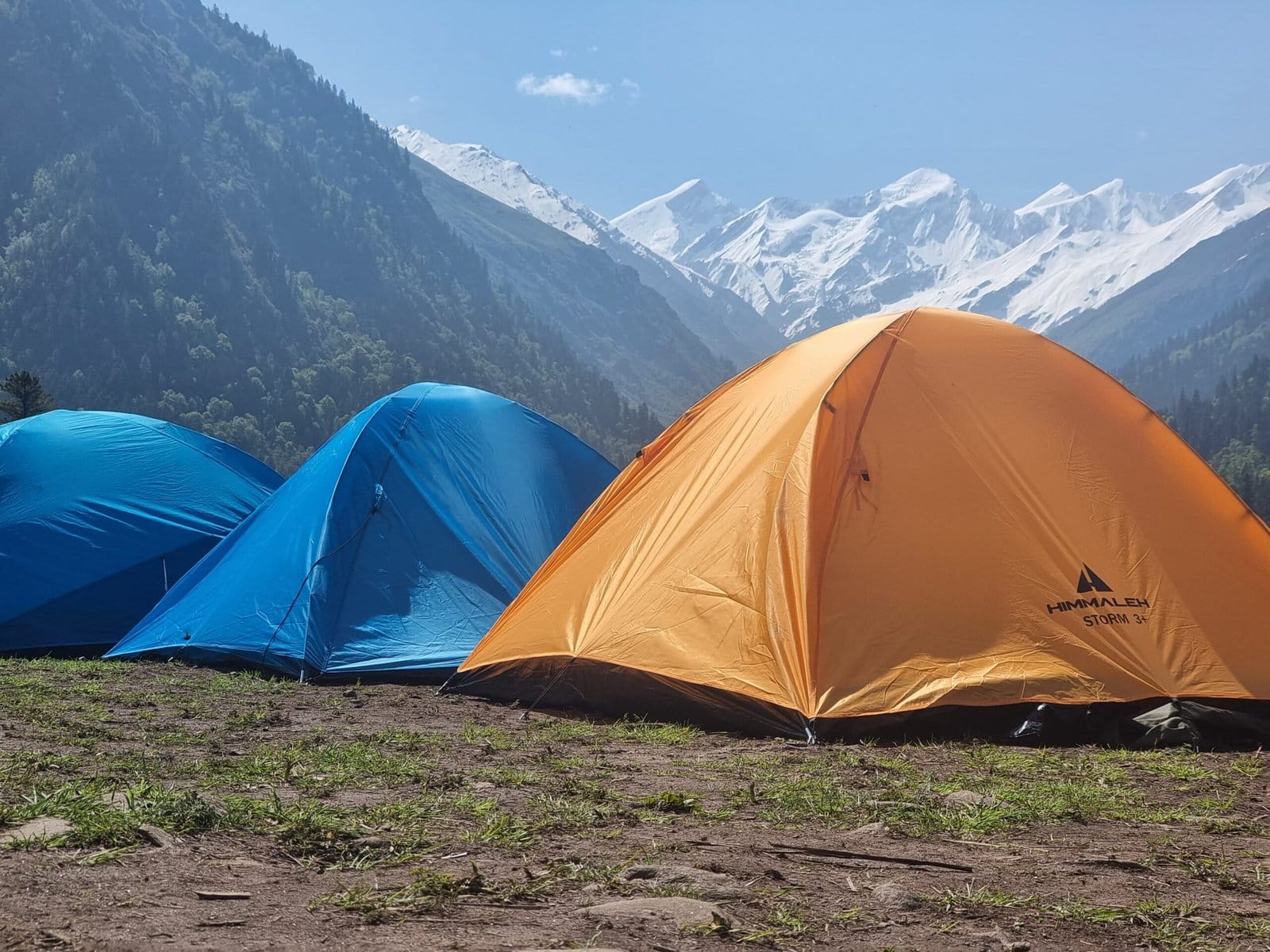
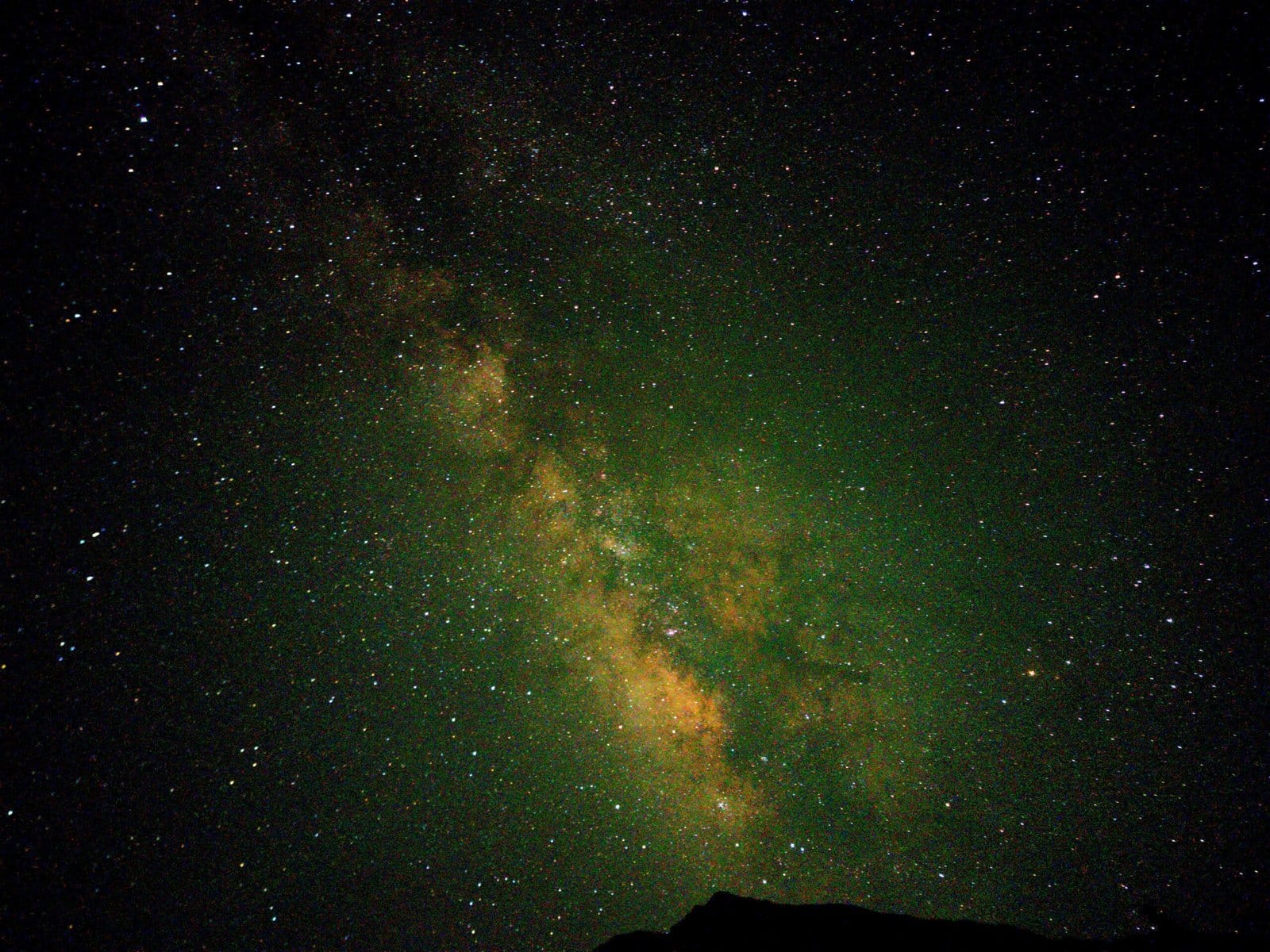
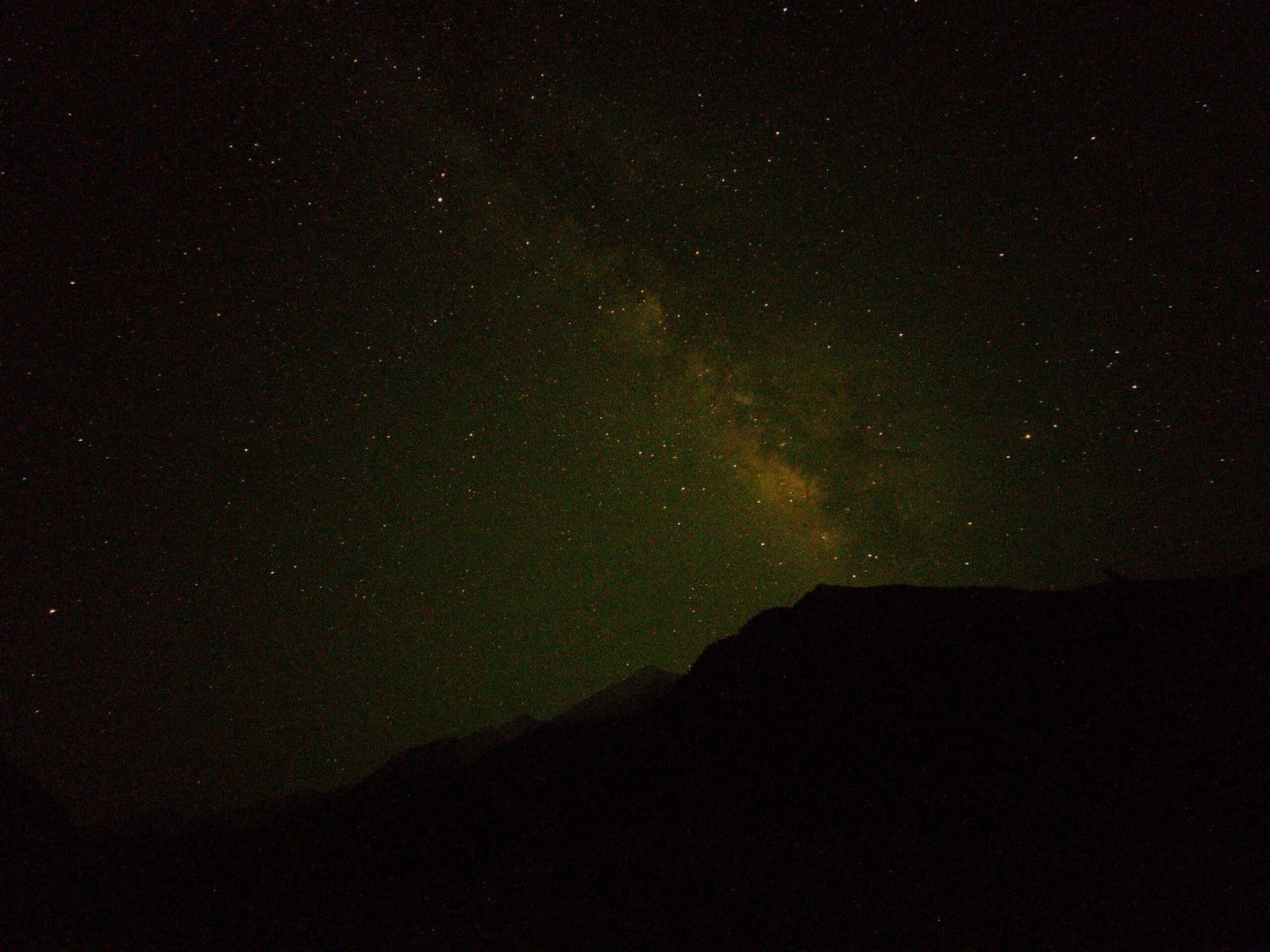
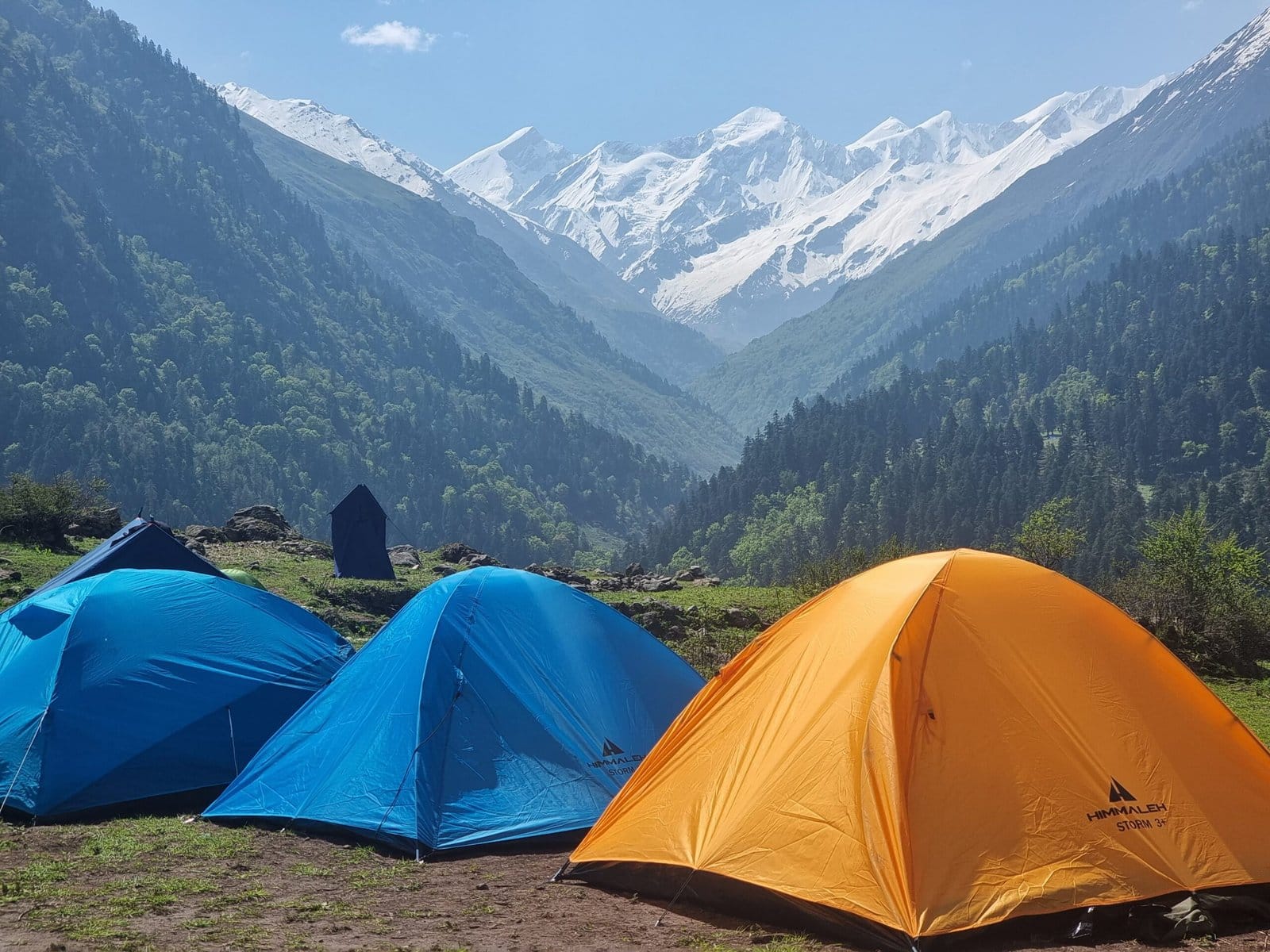
Camping Experience: The valley provides idyllic spots for camping, allowing trekkers to immerse themselves in the tranquility of the Himalayas under a star-studded sky.
Day 4
Har ki Dun to Maninda Tal to Osla
Distance: The excursion from Har Ki Dun to Maninda Tal and back involves a trek through varying landscapes, showcasing the pristine beauty of the region's alpine lakes and the surrounding meadows.
Lake Visit: Maninda Tal, a small yet enchanting lake, serves as a perfect detour for those looking to explore the hidden gems of the Garhwal Himalayas. The reflection of the surrounding peaks on the lake's surface creates a mesmerizing effect, offering a moment of reflection and peace.
Journey Back: The return trek to Osla, while retracing steps, feels different with the enriched perspective gained from the journey. The descent provides an opportunity to absorb the majestic beauty of the valley with a renewed sense of appreciation.
Day 5
Osla to Sankri to Dehradun
Retracing the Path: The trek back from Osla to Sankri, covering the familiar trails and landscapes, offers a chance to reflect on the journey undertaken. This leg of the trek is a gradual descent, allowing for a less strenuous but equally rewarding experience.
Sankri to Dehradun: Completing the circuit, the drive back from Sankri to Dehradun covers the scenic routes through the Garhwal region, offering one last glance at the rugged beauty of the Himalayas and the serene villages along the way.
Reflection and Departure: As trekkers make their way back to the urban landscape of Dehradun, the memories of the valleys, mountains, and the timeless villages like Osla linger, promising a call back to the wild and the serene.
What's Covered
Inclusions & Exclusions
INCLUSION
- Accommodation: Stay in tents/guesthouses on twin/triple sharing; base in guesthouse.
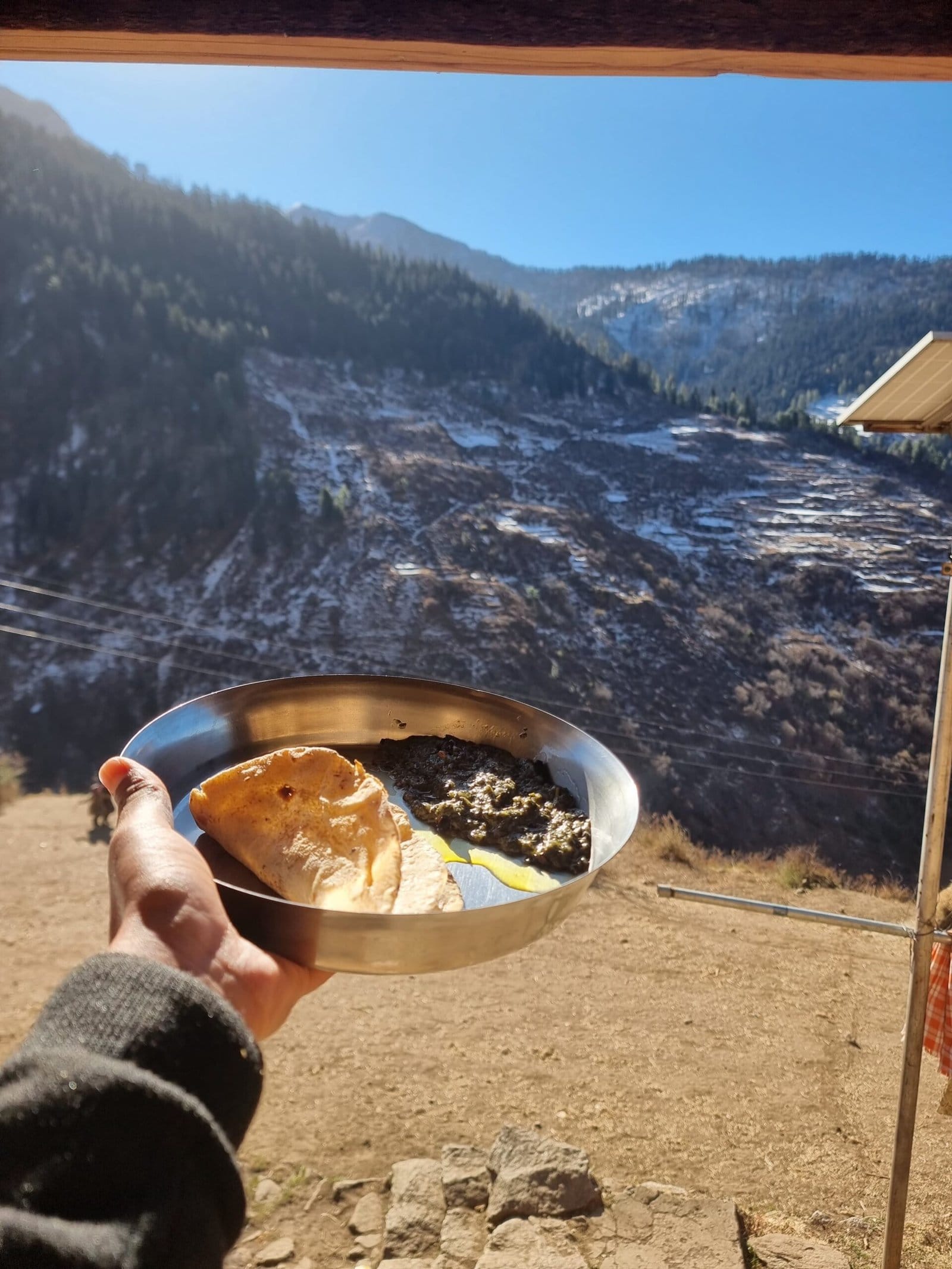
- Meals: Simple, nutritious vegetarian meals provided.
- Day-wise Meals: Meal plan varies by day.
- Day 1: Dinner + breakfast next morning.
- Trek Days: Breakfast, packed lunch, and dinner included.
- Final Day: Dinner + breakfast before departure.
- Non-veg meals are not served.
- Trek Equipment: Sleeping bags, tents, kitchen setup, mattresses, crampons (if needed).
- Transportation: Included if opted during booking.
- First Aid: Basic medical kits available.
- Permits: Forest entry fees and permits included.
- Guides: Led by trained and experienced trek leaders.
EXCLUSION
- All kinds of personal expenditures are excluded.
- Anything that we have not mentioned above.
- The trek cost is not inclusive of meals bought during the journey on 1st day and last day.
- Mules or porter charges to carry private baggage.
- Any kind of emergency evacuation charges.
Getting There
How To Reach
Location
Trek Route Map
Booking Policy
Cancellation Policy
| Policy | Upto 30 days | 29–21 days | 21–15 days | 14–0 days |
|---|---|---|---|---|
| Batch Shifting | ✓ | ✕ | ✕ | ✕ |
| Refund | 100% | 50% | 0% | 0% |
Travel insurance is strongly recommended. No-shows and last-minute cancellations are non-refundable. In case of bad weather or force majeure, the company reserves the right to modify or cancel the itinerary.
Preparation
What To Pack
Clothing & Footwear
- High-ankle waterproof trekking boots (broken in)
- Thermal base layer — top & bottom (2 sets)
- Down jacket (600+ fill power)
- Windproof & waterproof shell jacket
- Trekking pants (quick-dry, 2–3 pairs)
- Woolen gloves + waterproof outer gloves
- Warm balaclava & beanie hat
- Woolen socks (4+ pairs)
- Gaiters for snow and scree
Gear & Essentials
- 35–45L daypack with rain cover
- Trekking poles (collapsible, 2 poles)
- Headlamp with extra batteries
- Sunscreen SPF 50+ & lip balm with SPF
- UV-protection polarised sunglasses
- Personal first aid & altitude medication (Diamox)
- Water bottles (2L) or hydration bladder
- Water purification tablets
- Valid government photo ID (mandatory for permits)
Common Questions
Frequently Asked Questions
How long is the Har Ki Dun trek?
The Har Ki Dun Trek covers a distance of approximately 38 km round trip. It typically spans over 5-6 days, including travel days from the base camp to the trek start point and back. Trekkers usually cover about 6-7 Km each day, navigating through beautiful landscapes and varying terrains.
What is the elevation of the Har Ki Dun trek?
The Har Ki Dun trek reaches a maximum altitude of 3,600 meters (11,811 feet). Starting from Taluka (1,900 m), the trek gradually ascends through lush valleys and quaint villages before reaching the majestic Har Ki Dun valley.
What will the temperature be like at Har Ki Dun in winters?
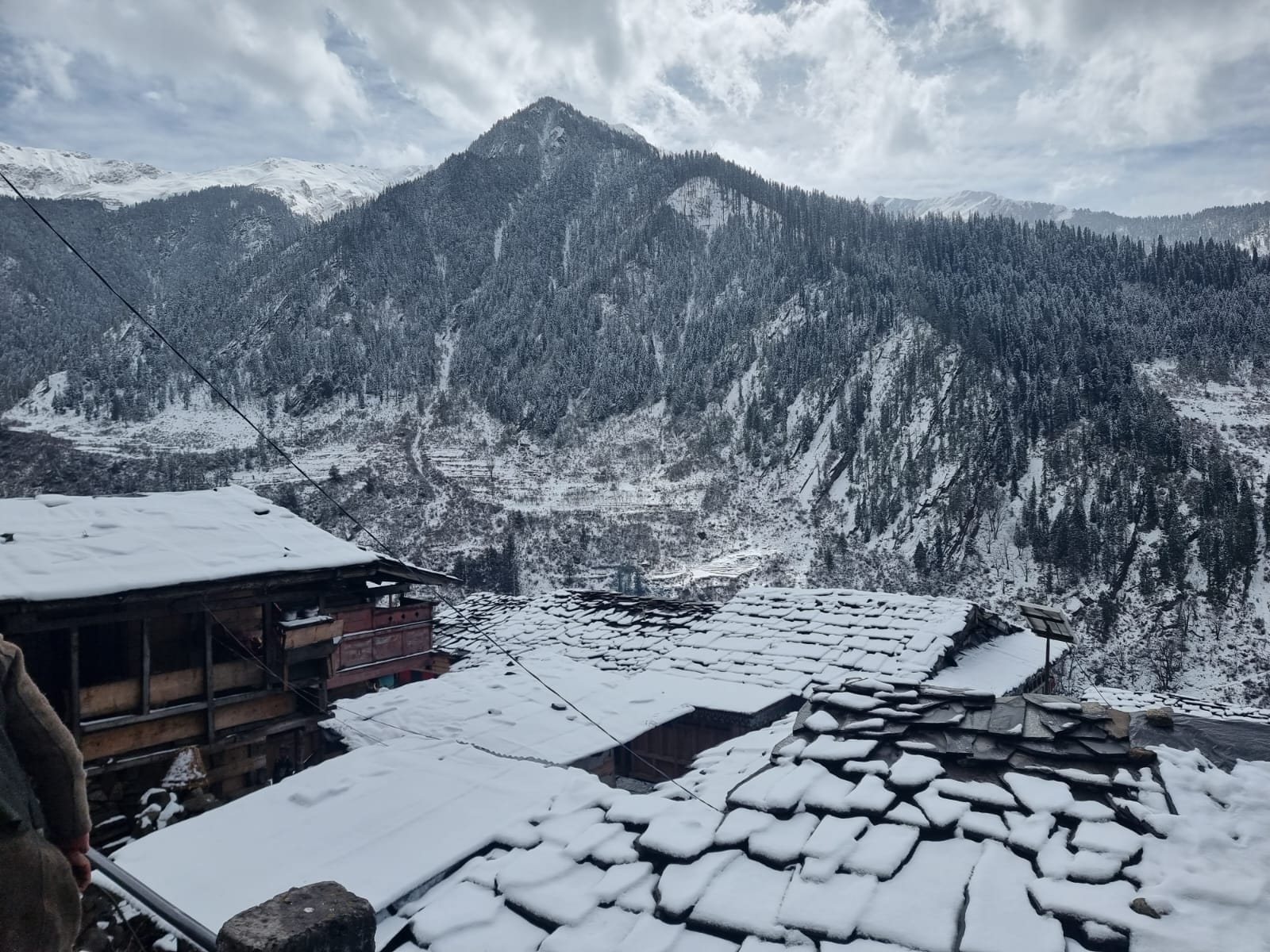
Winter temperatures can range from -2°C to 5°C during the day and drop to -5°C to -10°C at night. The region experiences heavy snowfall, making the landscape stunningly beautiful but cold.
What will the temperature be at Har Ki Dun in summer?
Summer temperatures at Har Ki Dun are pleasant, ranging from 10°C to 20°C during the day and 2°C to 10°C at night. The weather is ideal for trekking, with clear skies and mild temperatures.
What if we want to leave extra luggage at the base village?
You can keep extra luggage in the base village for any particular trek. There are no cloak roo charges applicable. Its free of cost.
Is there mobile signals available on treks?
If you are going on a trek don’t expect mobile signals. There are few spots on the trails of few treks where you might find a single tower or something but it always depends if that is enough to make a call or not.
How do you manage toilets?
We use portable toilet tents for sanitation needs, as permanent structures may not available. These are dry toilets, so please bring wet wipes or tissue paper for personal hygiene.
Do I need to carry trek equipment?
For this trek you just need a day bag to carry during the trek, extra luggage can be left behind at the camp site. Proper bedded swiss tents are available on this trek.
Can we consume Alcohol during the trek?
It’s a strict no. If you fall sick during the trek due to alcohol consumption H2H has the right to cancel your trek and send you back to base village. No expenses shall be refunded in that case and you will have to pay additional for stay at base village.
How do I prepare for the trek?
Start running/walking at least 3-4 Kms everyday.
What kind of shoes will I need? Does a sport shoe work?
If it’s a snow trek a good trekking shoe is mandatory. If you buy a new shoe do walk for few days so that it fits you well and doesn’t leave you with blisters while you trek. If it is a summer trek or post monsoon trek a shoe with good grip and ankle support will do.
Similar Treks
Sahastratal to Gangi
₹22,999
₹20,000
Sahastratal Masartal
₹22,999
₹20,000
Pindari Glacier 6D/5N
₹11,500
₹9,000
Latest Articles

August 22, 2026 | Hike2 Heaven
Air Pollution in India is serious now
Air pollution in India is a serious health issue. Of the most polluted cities in the....
August 22, 2026 | Hike2 Heaven
Pollution in Himalayas
Pollution in Himalayas is rapidly increasing because of irresponsible behaviour of management and tourist who create....
August 22, 2026 | Hike2 Heaven
A Himalayan Adventure: Kedarkantha Trek with Hike2Heaven
This is real story of Himalayan Adventure, a person who travelled Kedarkantha Trek with Hike2heaven. Introduction....
August 22, 2026 | Hike2 Heaven
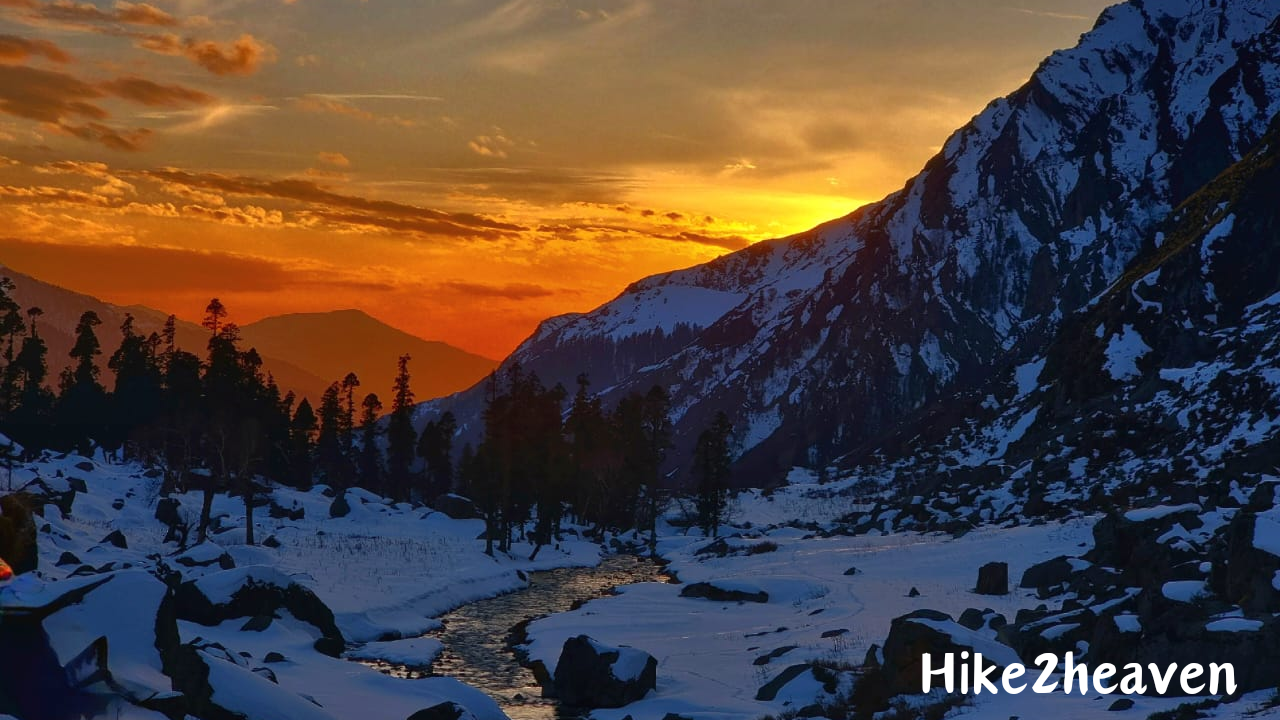
Har ki doon (The Valley of God )
Har ki doon ,lies in the Garhwal Himalayas of uttarakhand state in India . The valley....