Nelong Valley

Trek Details

Duration

4 Days / 3 Nights

Max Altitude

3352 m

Trek Length

7 KM

Difficulty

Easy

Best Season

May to June and Sep to Oct

Start Point

Harsil

End Point

Harsil

  • Overview
  • Itinerary
  • Inclusion
  • How To Reach
  • Map
  • Policy
  • Packing List
  • FAQs

Best Months for this Trek

Open Closed

Overview

Your Adventure at a Glance

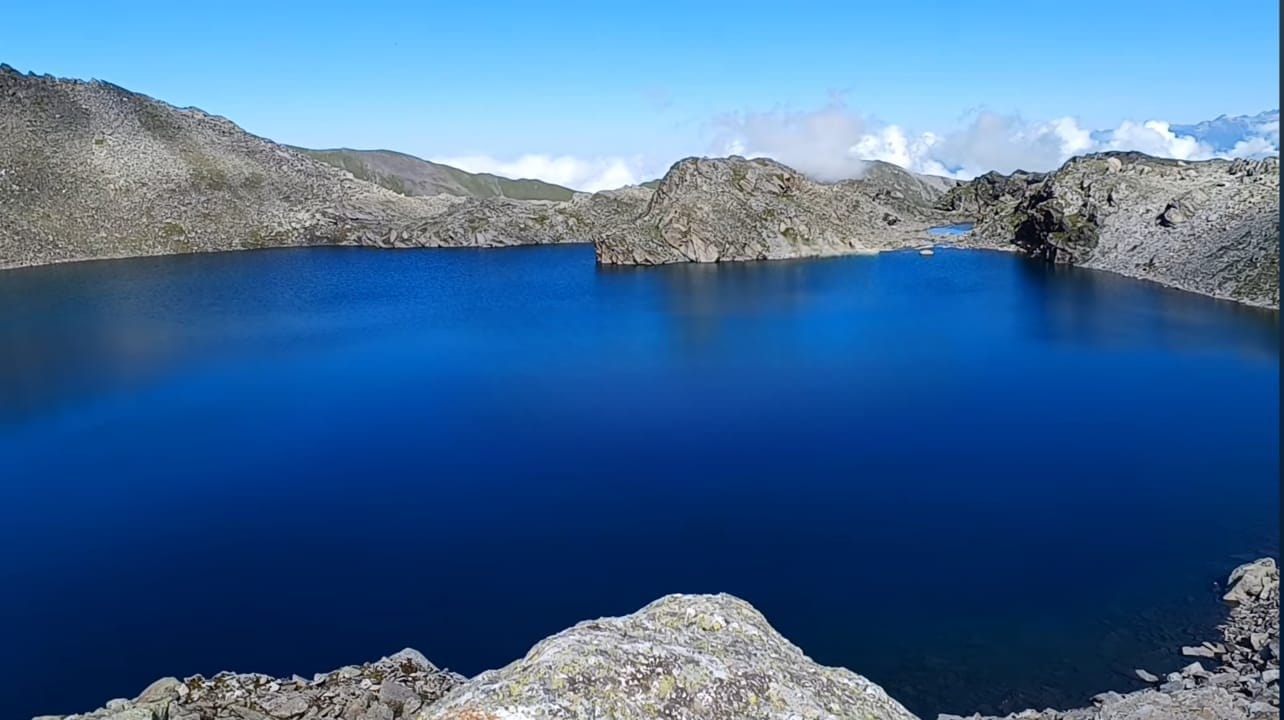
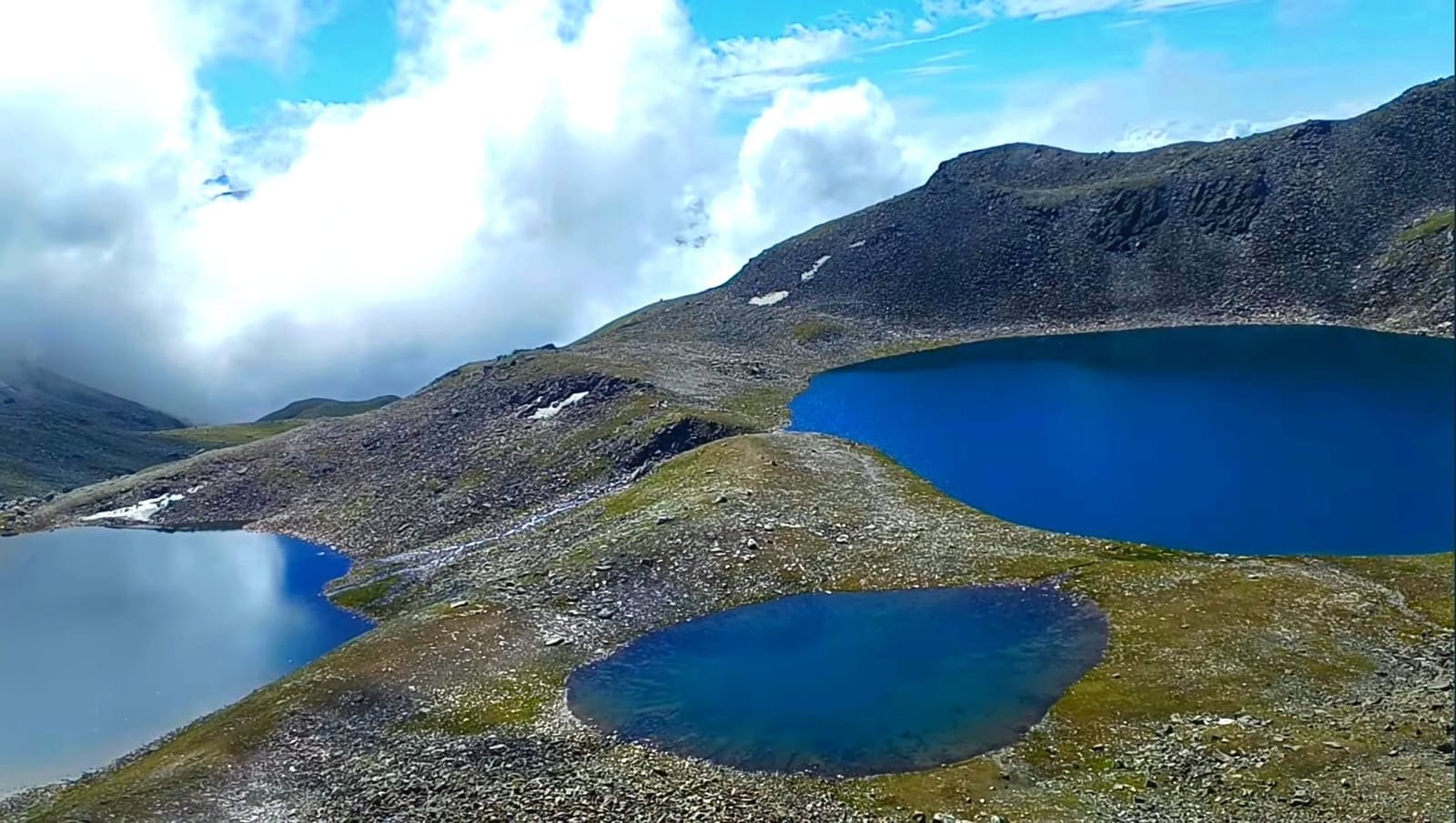
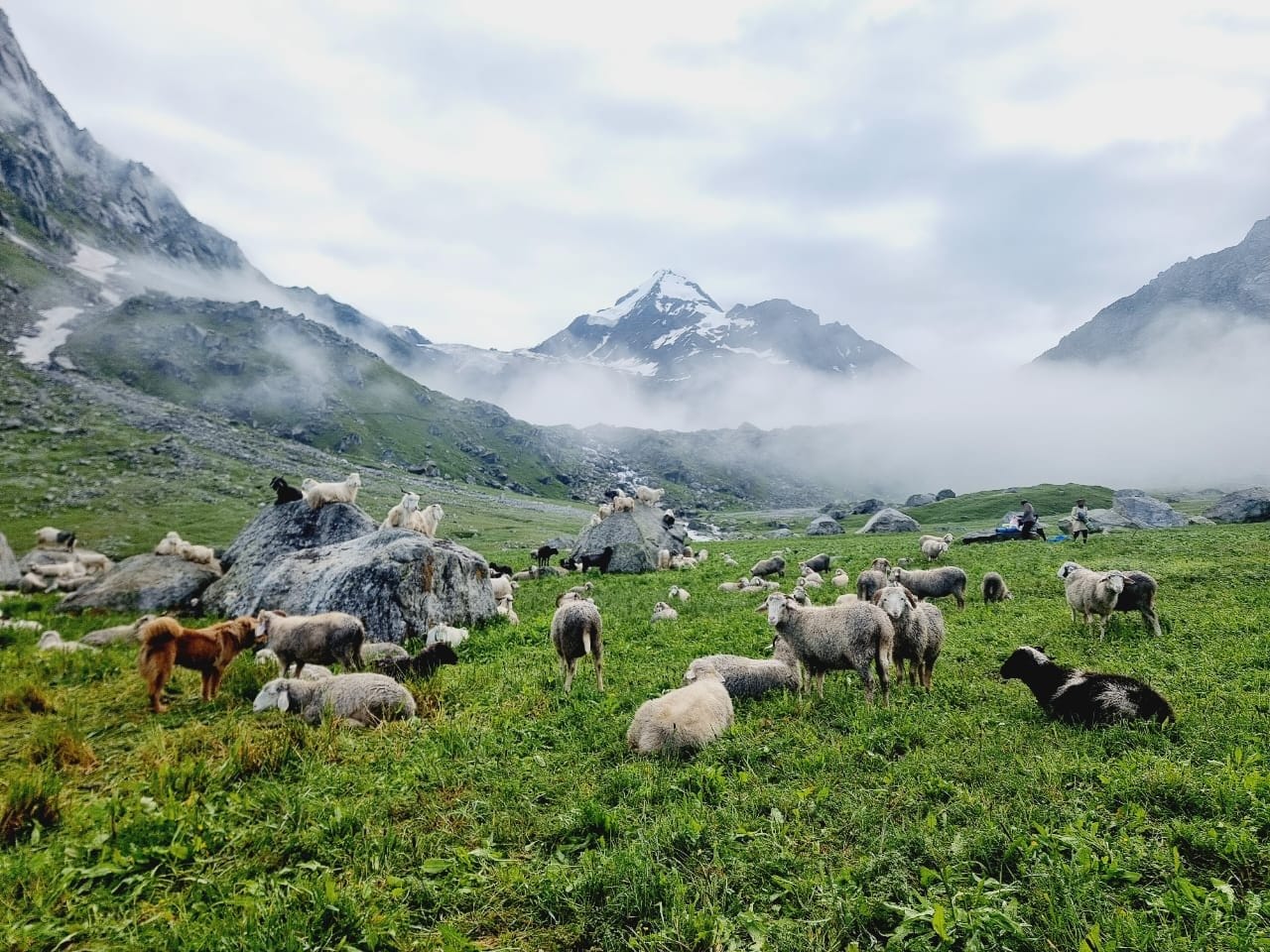
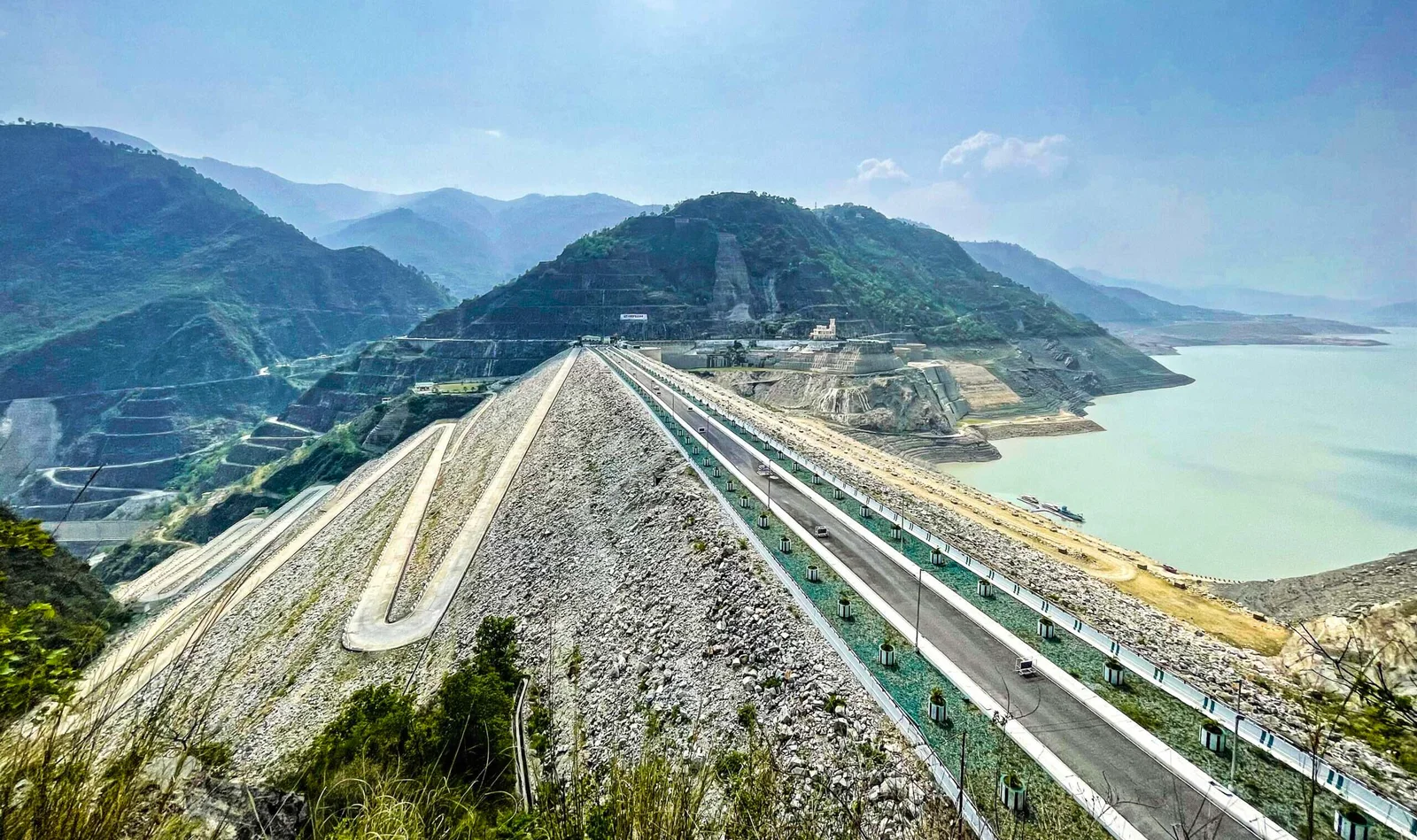
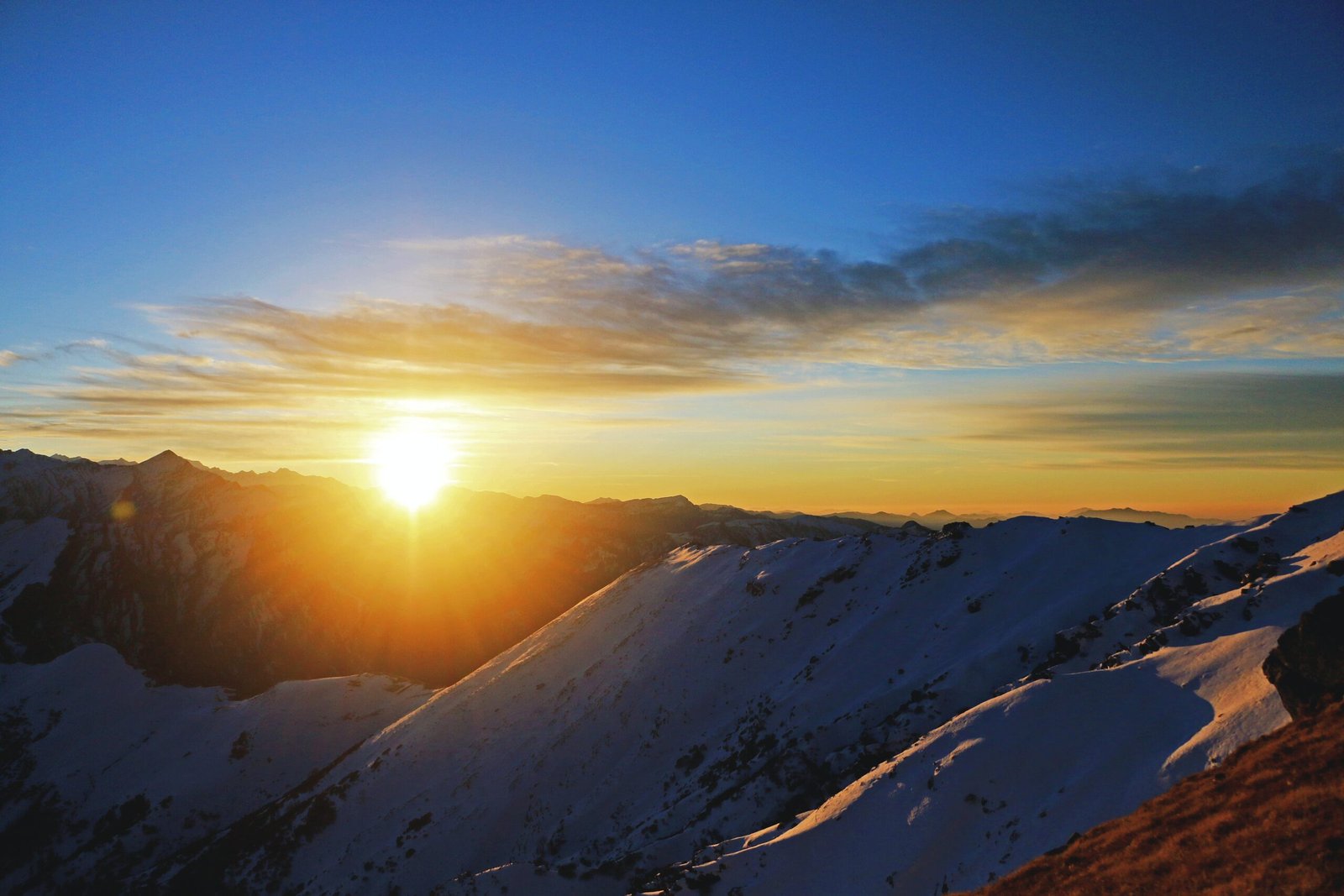
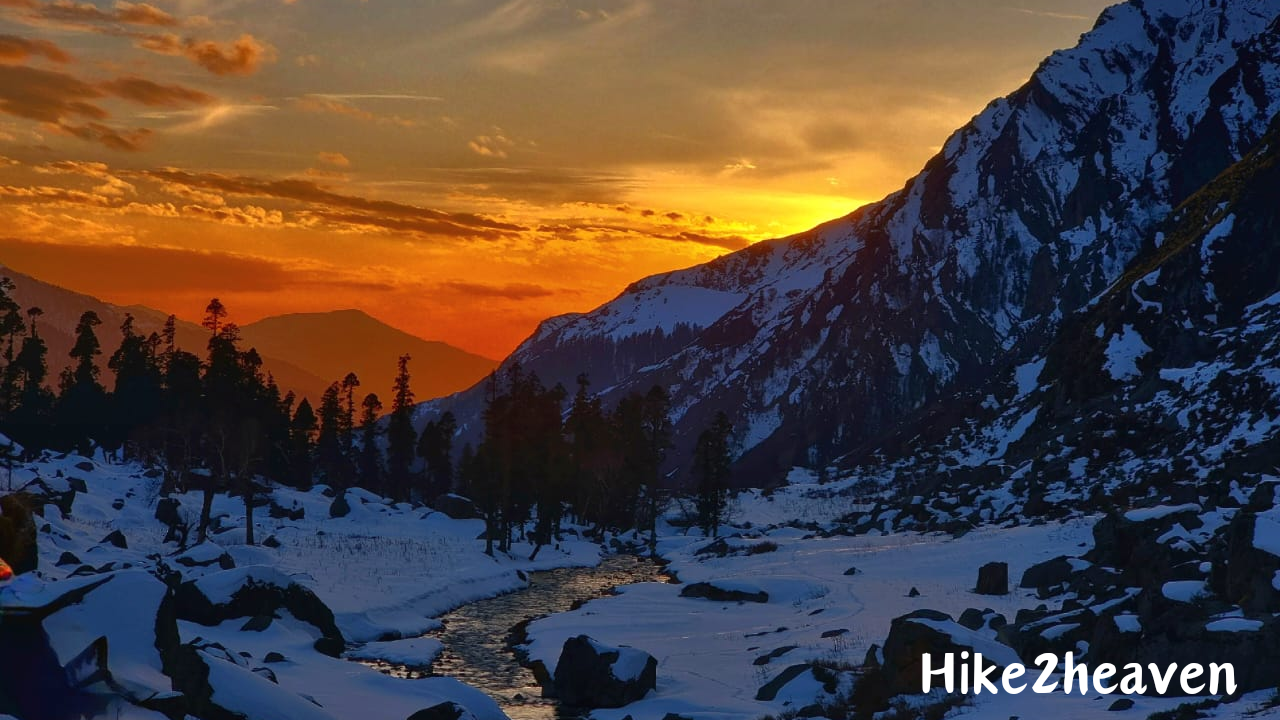
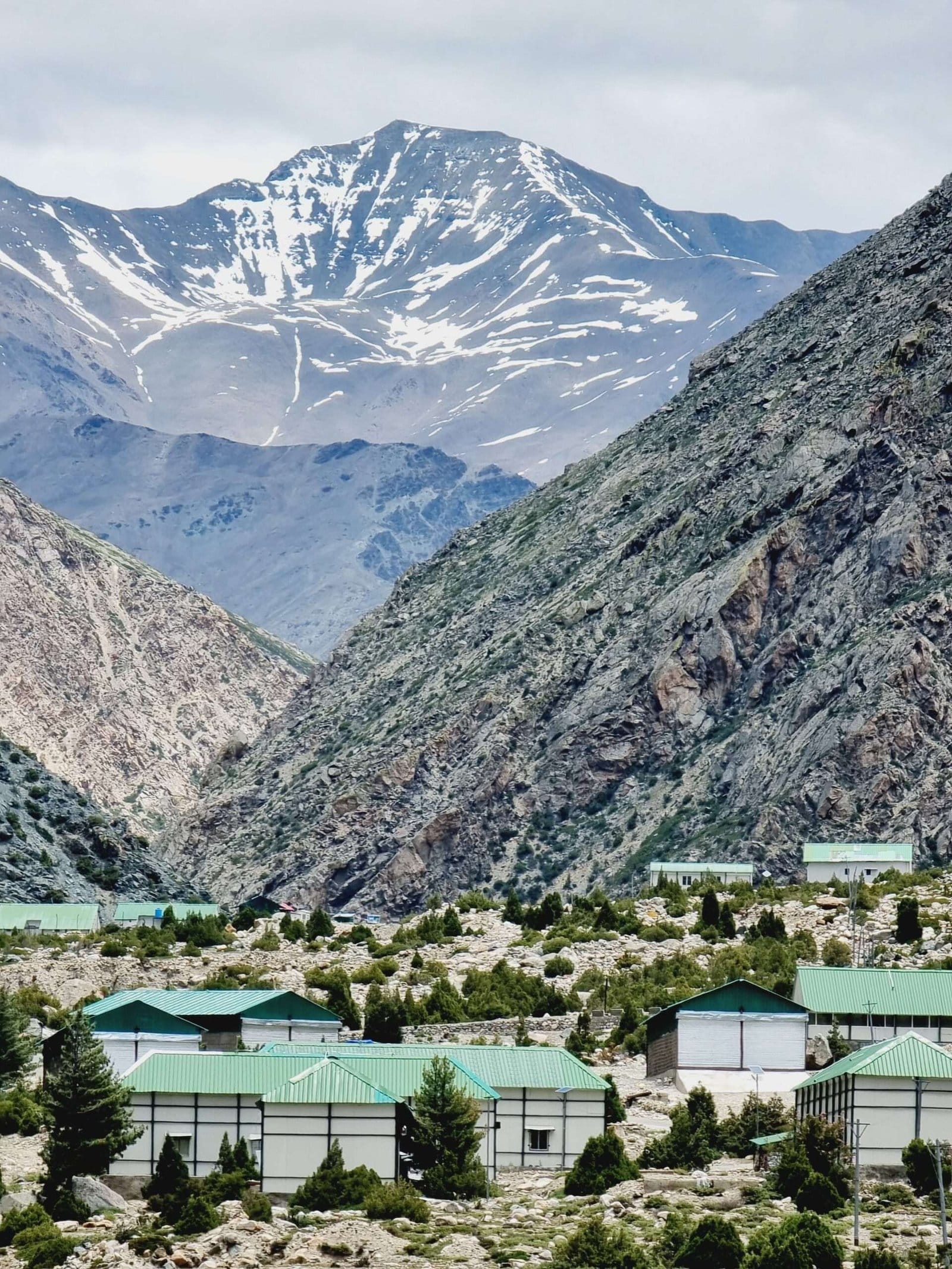
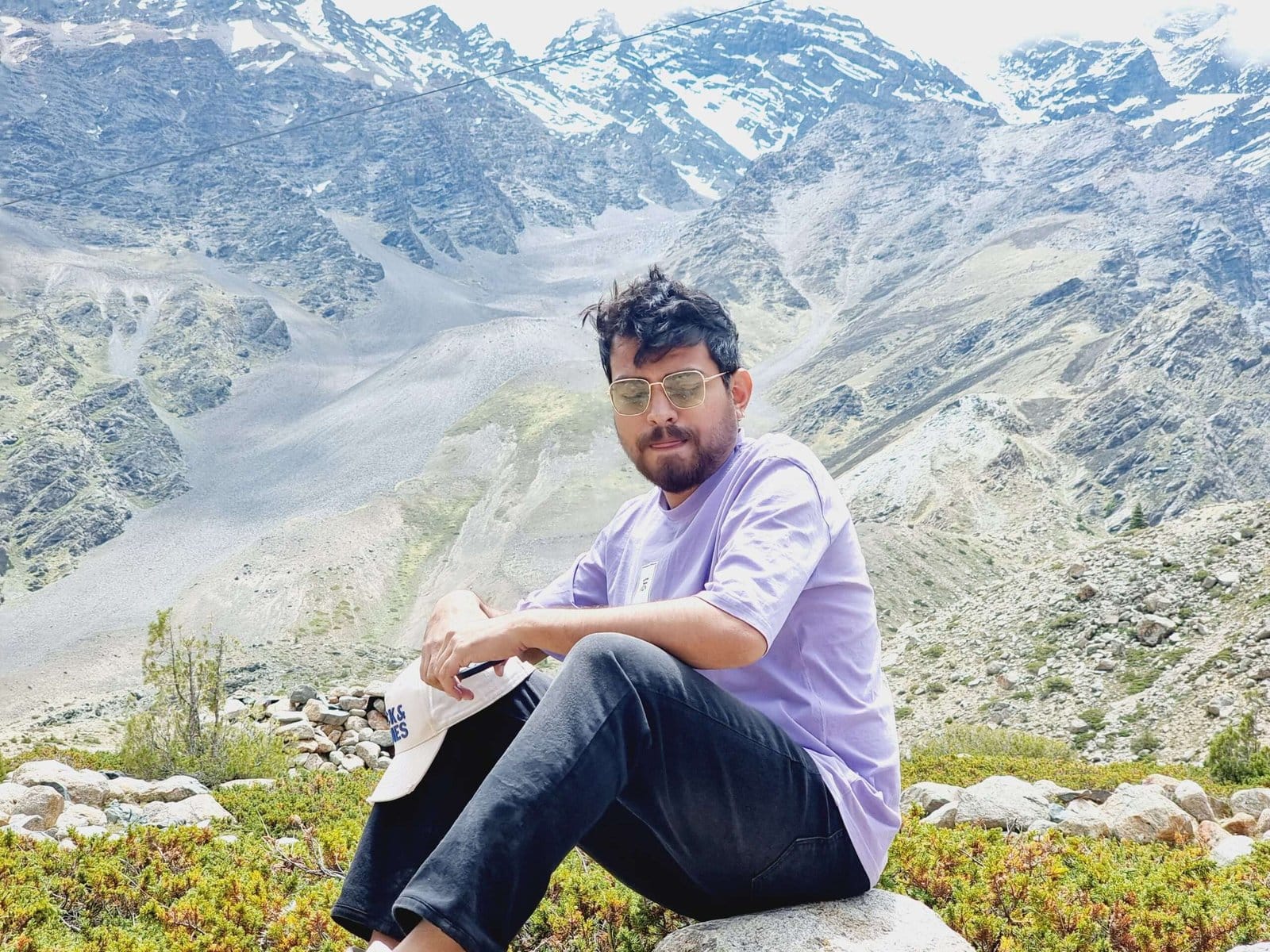
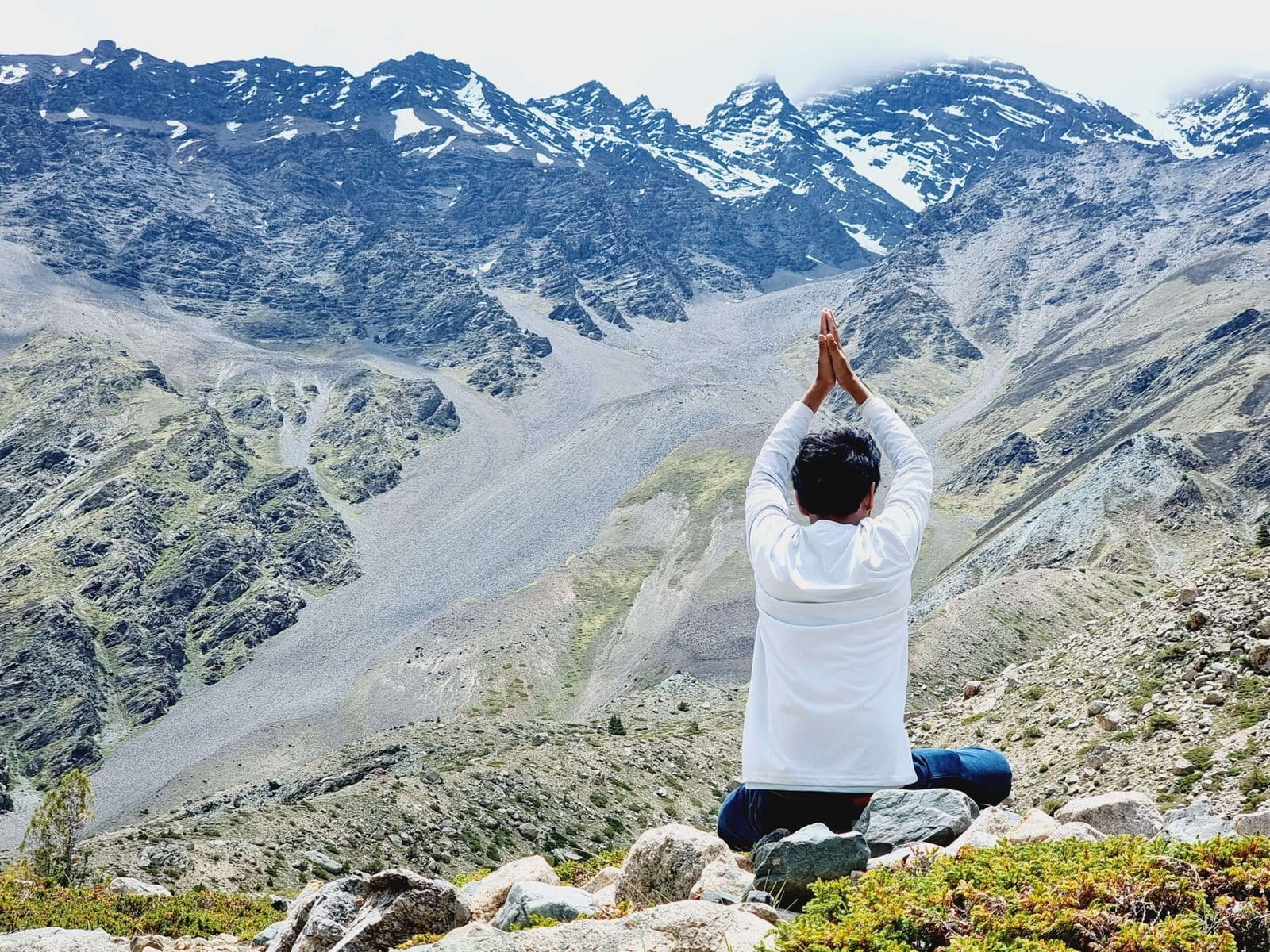
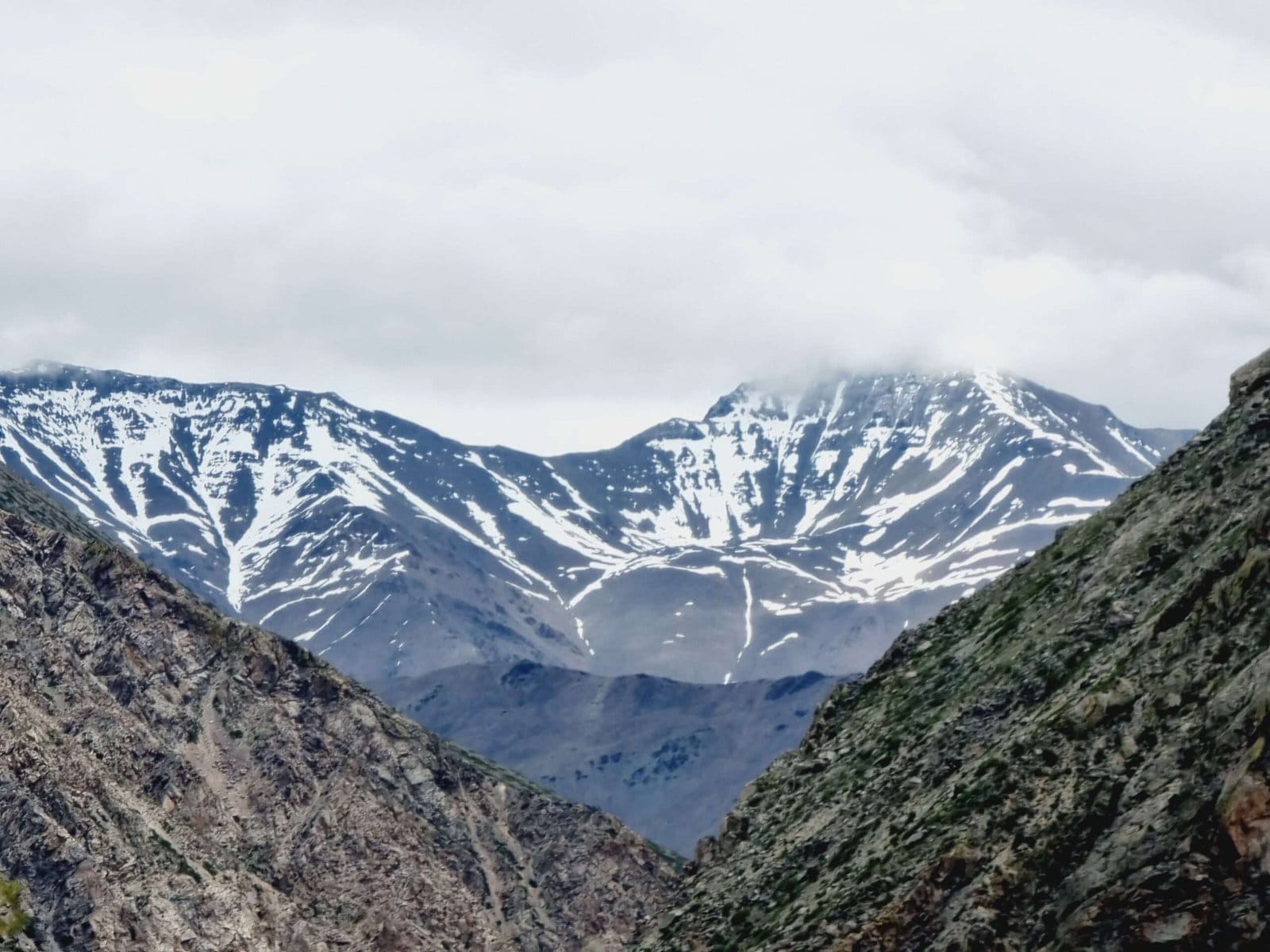
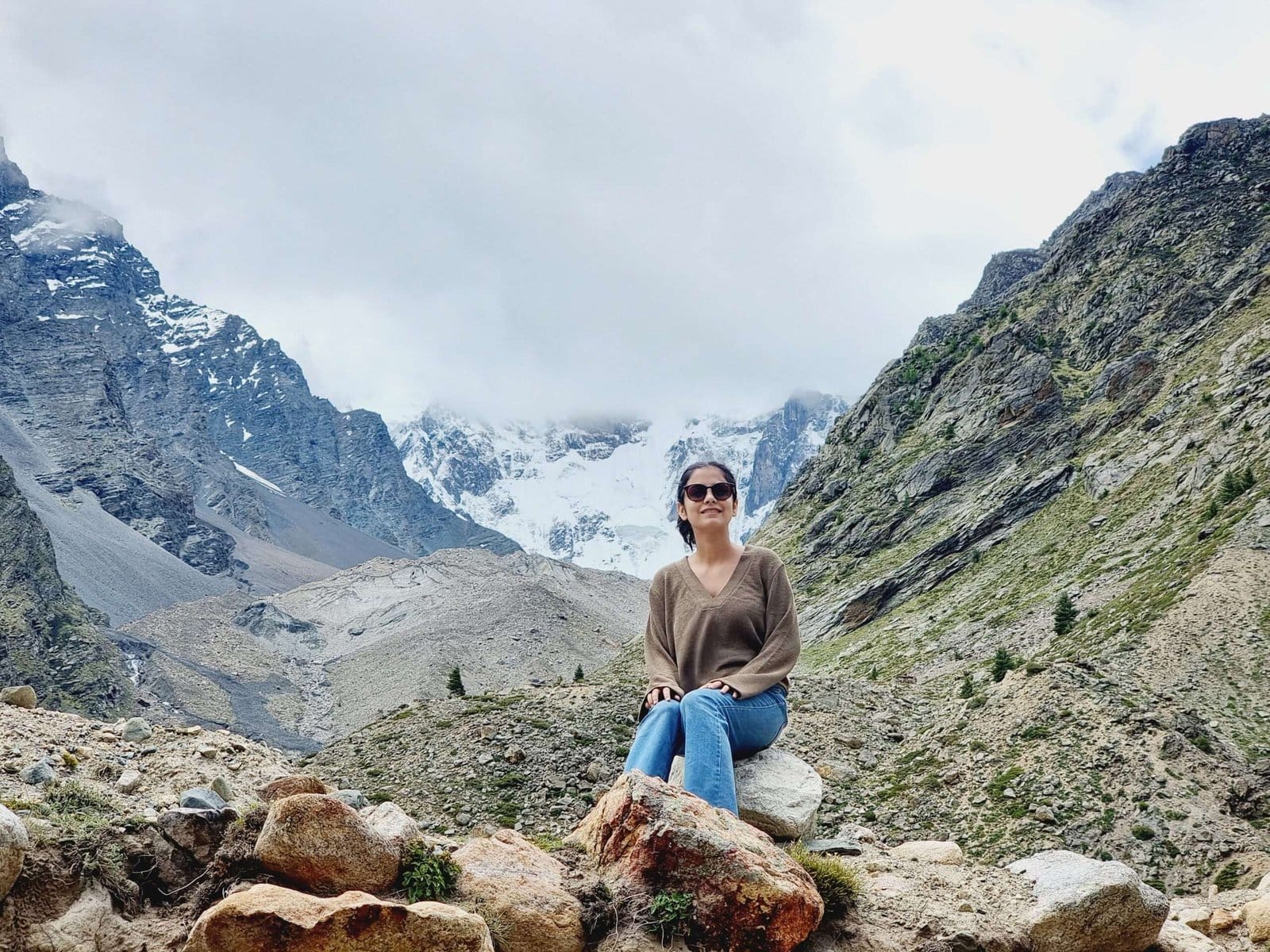
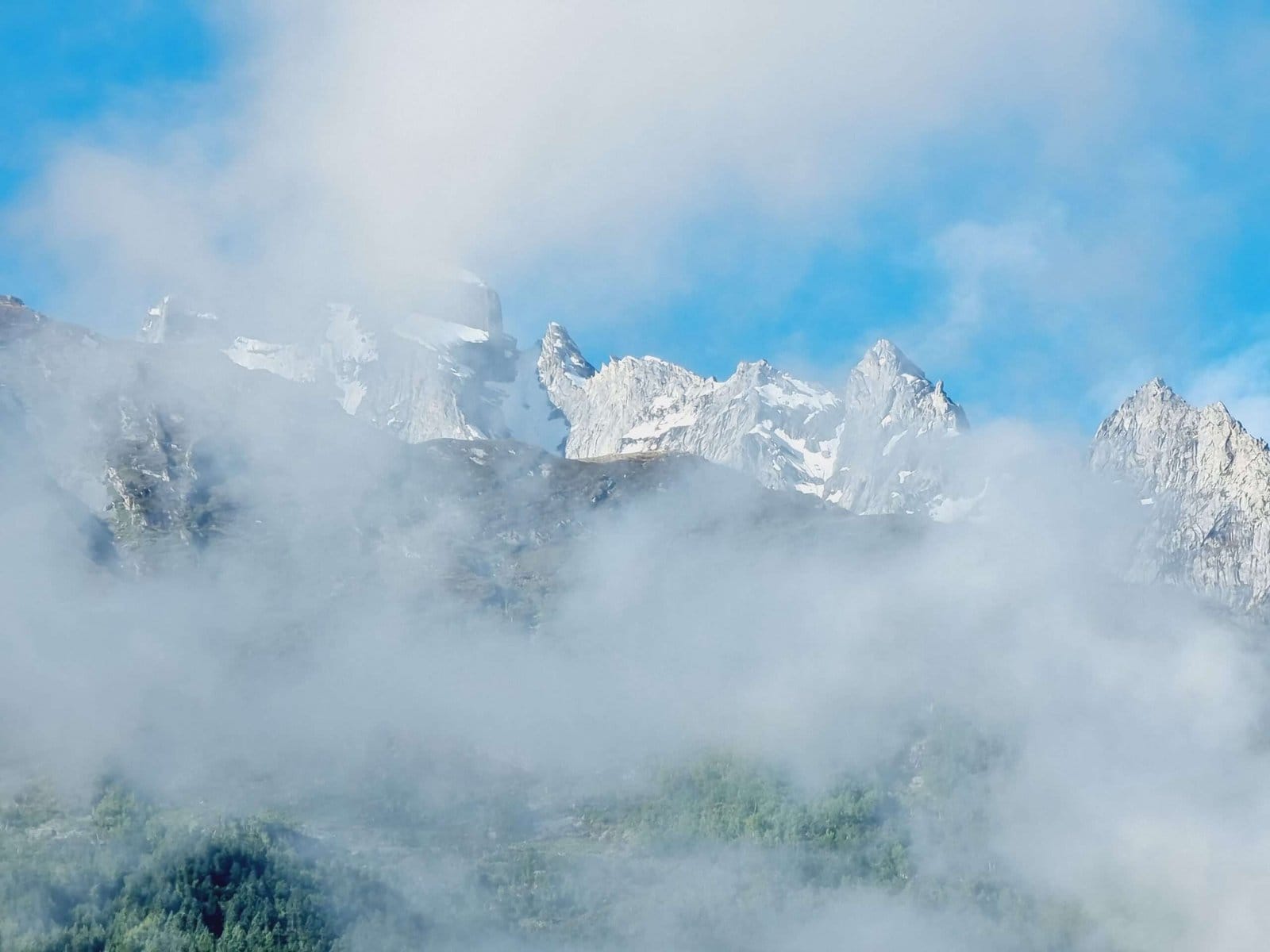
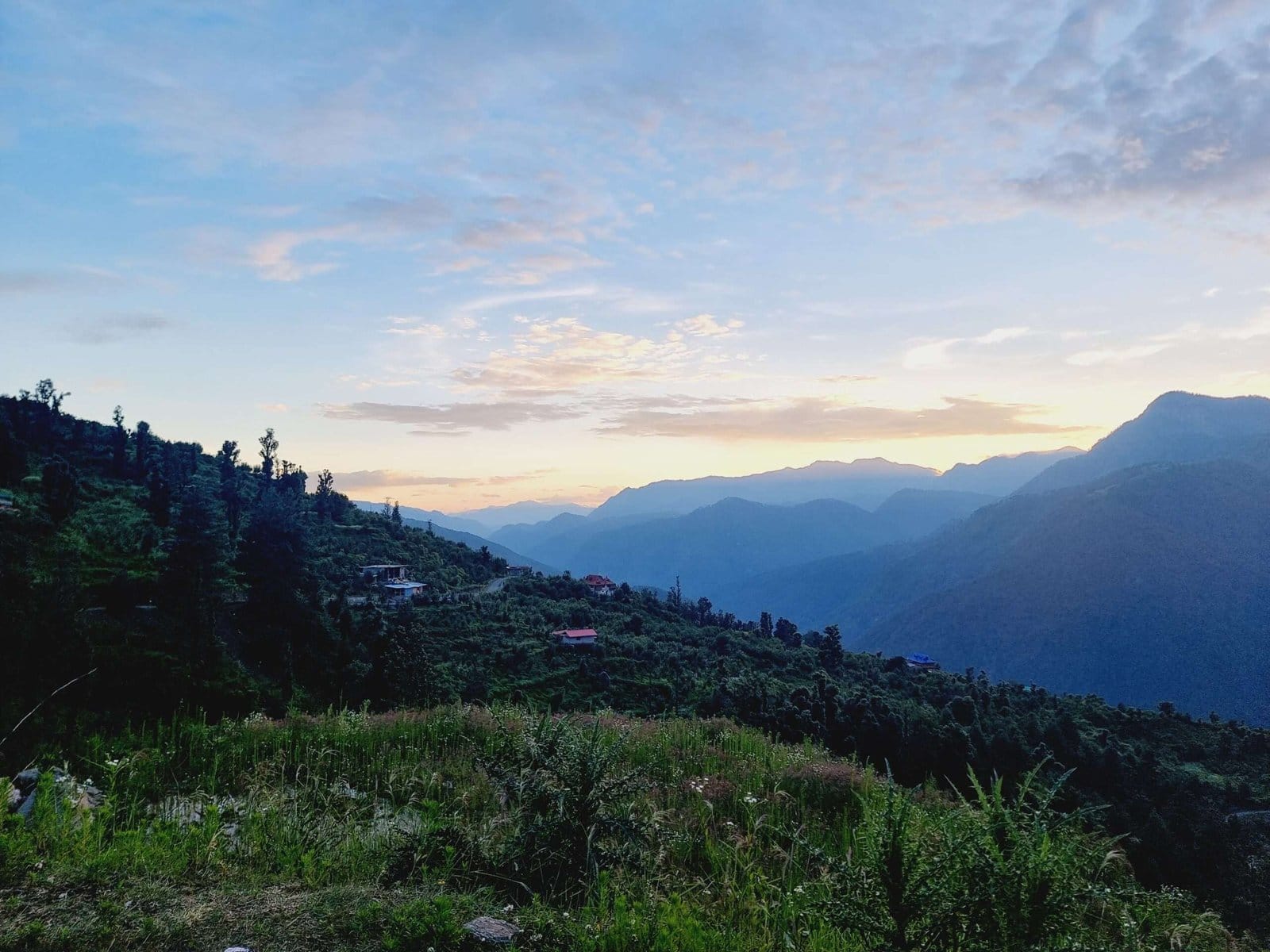
Nelong Valley (aka Nelang Valley) is a cold desert mountain area in Uttarakhand, very close to the Indo-Tibet border. Truly the Ladakh of the Uttarakhand state, the region opened up to domestic tourists in 2015, after being shut from the outer world since the 1962 India-China war.Bearing a striking resemblance to Tibet and features high peaks having a similar climate and landscape to that of Lahaul, Spiti Valley, and Ladakh, Nelong is a stunning place to be.

Given that the valley is a part of the Gangotri National Park and holds an important strategic location – travelers are not allowed to stay overnight. This rule applies within the 25 km area between Bhairavghati and Nelong. Nelong Valley truly is a picturesque enchantment complemented by the rich wildlife of endangered species like Himalayan Blue Sheep, Snow Leopard, and Musk Deer. Apart from all this, adventure travelers and seekers of the unseen and untouched would definitely be enamored by this place!

About the Trek

Mythology, Best Time & More More

Significance

Mythology and Cultural

While specific mythology and cultural significance directly attributed to Nelong Valley may not be widely documented, its location within the broader context of the Himalayas and its historical role as a trade route contribute to its cultural significance.

Month

Best Time

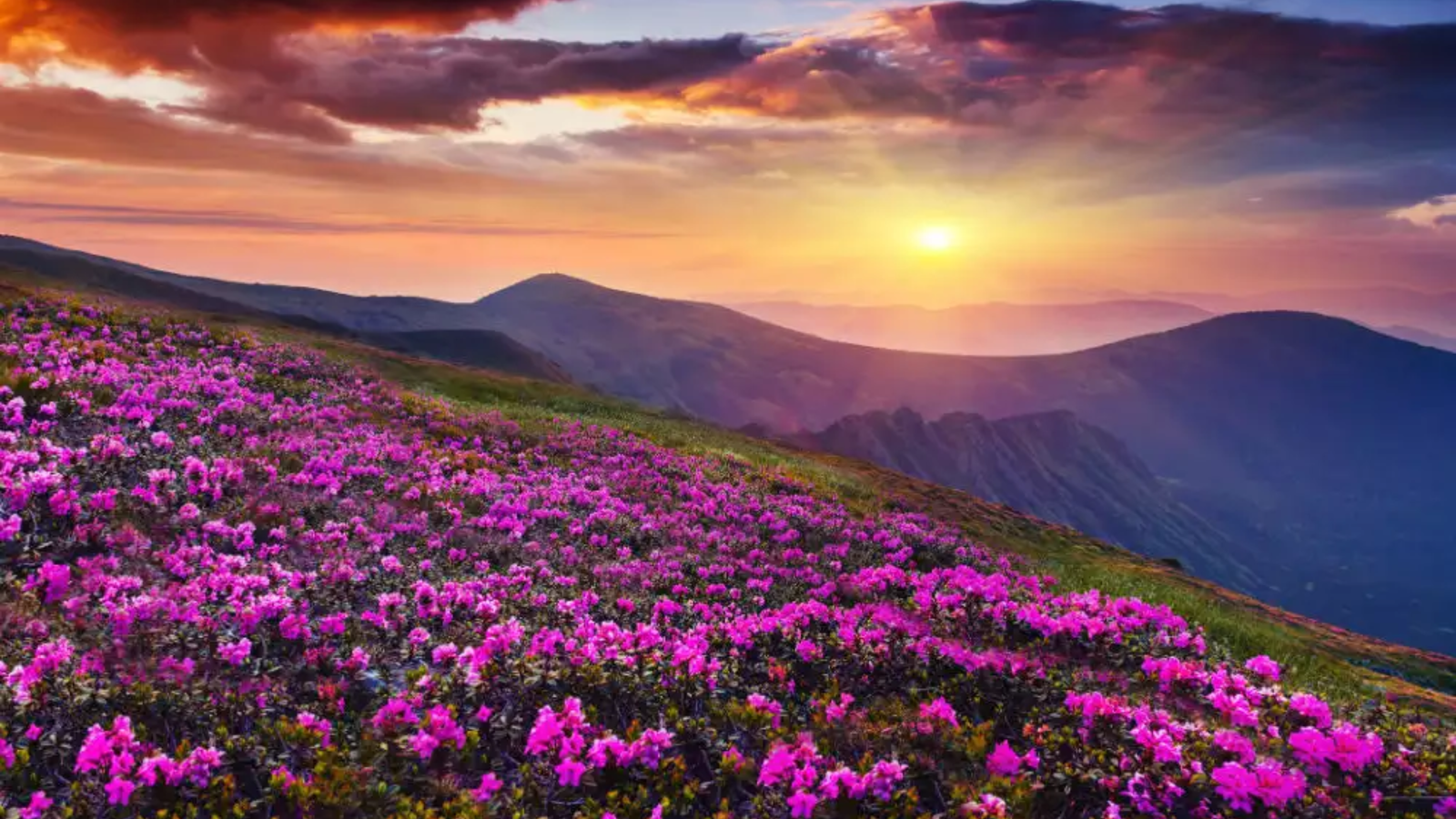
The best time to visit Nelong Valley is generally during the summer months, from May to June, and then from September to October. During these periods, the weather is generally pleasant with clear skies, making it ideal for outdoor activities such as trekking and sightseeing.

Day-by-Day Plan

Trek Itinerary

Day 1

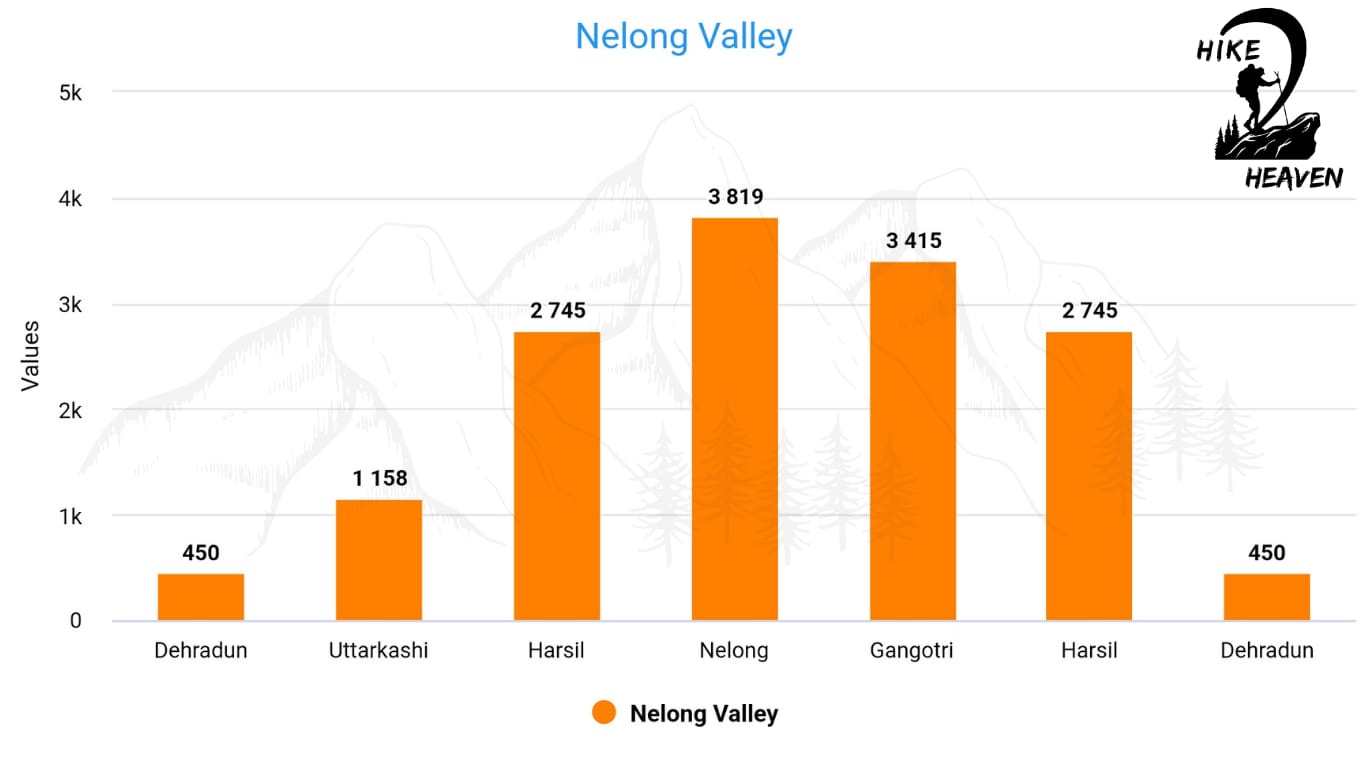
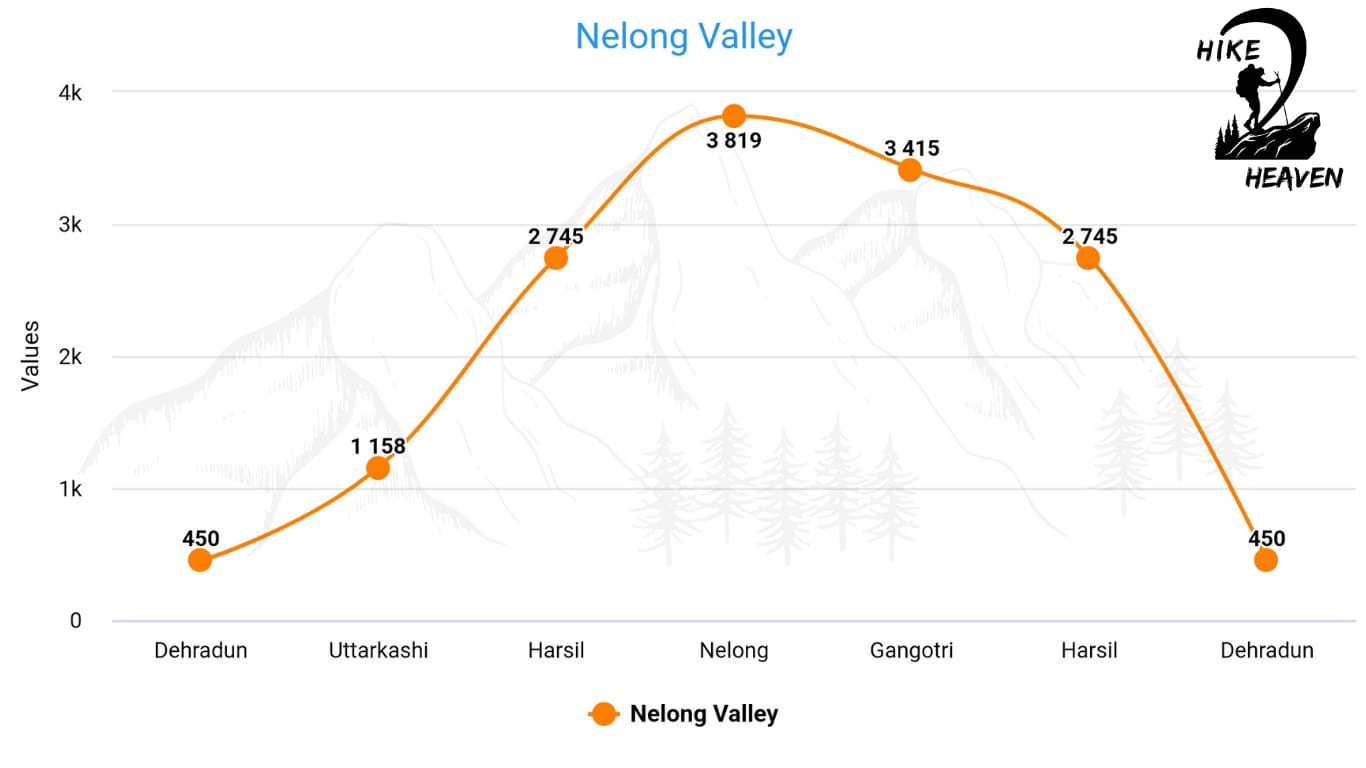
Dehradun to Harshil Homestay

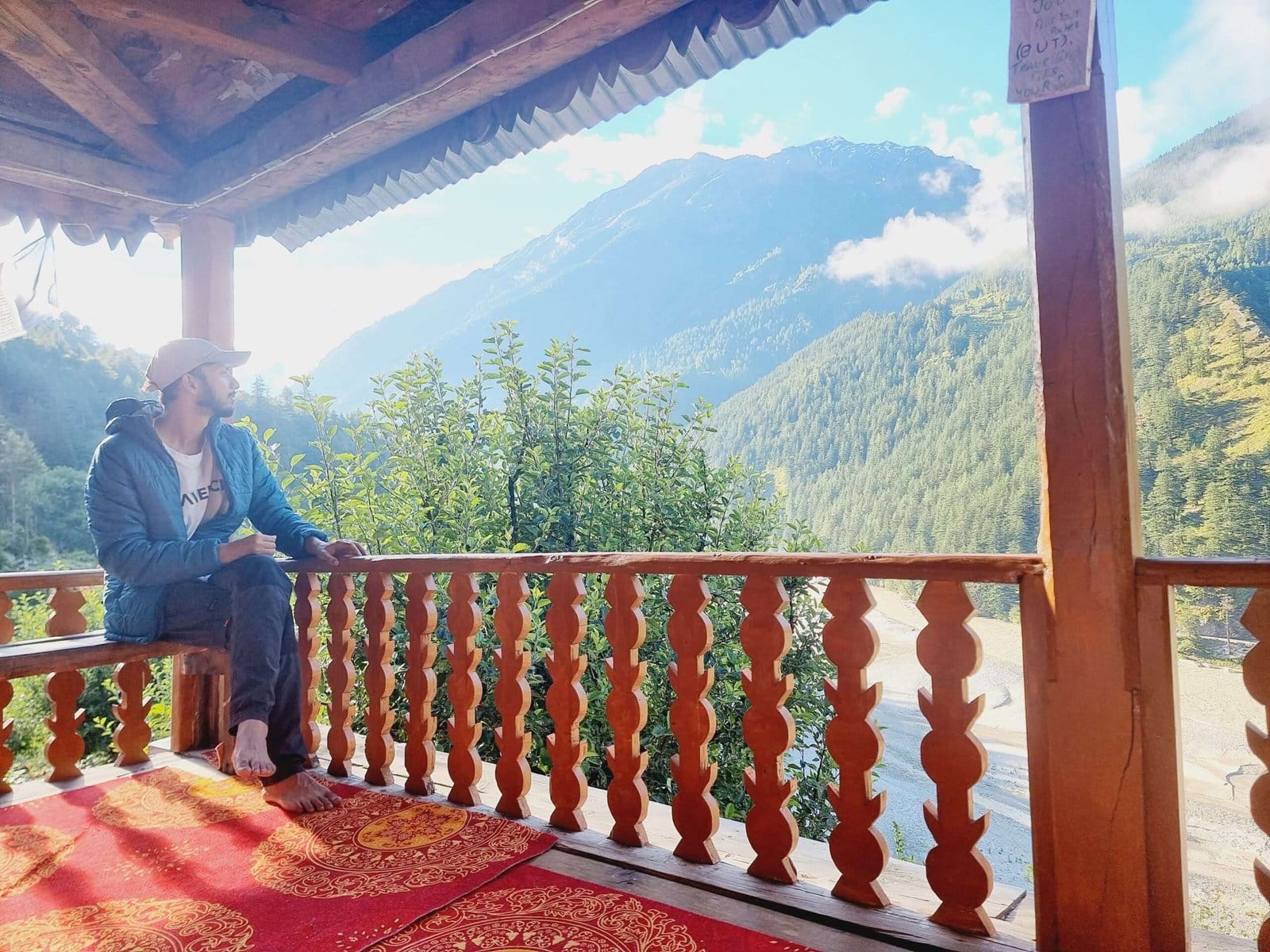
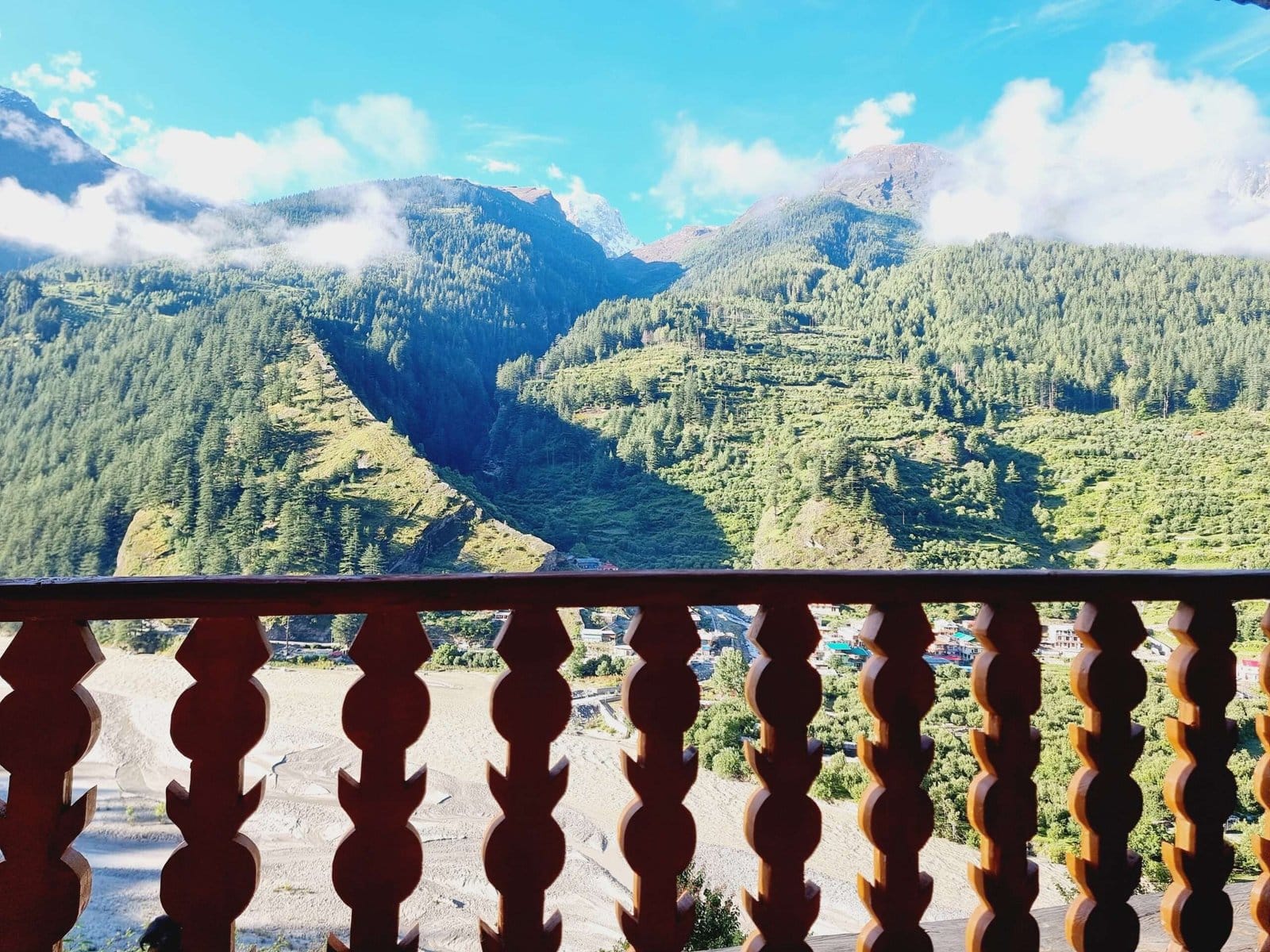
Embark on your adventure with a scenic drive from Dehradun to Harsil, nestled in the lap of the Garhwal Himalayas. The route takes you through Mussoorie and alongside the Bhagirathi River, offering stunning landscapes.

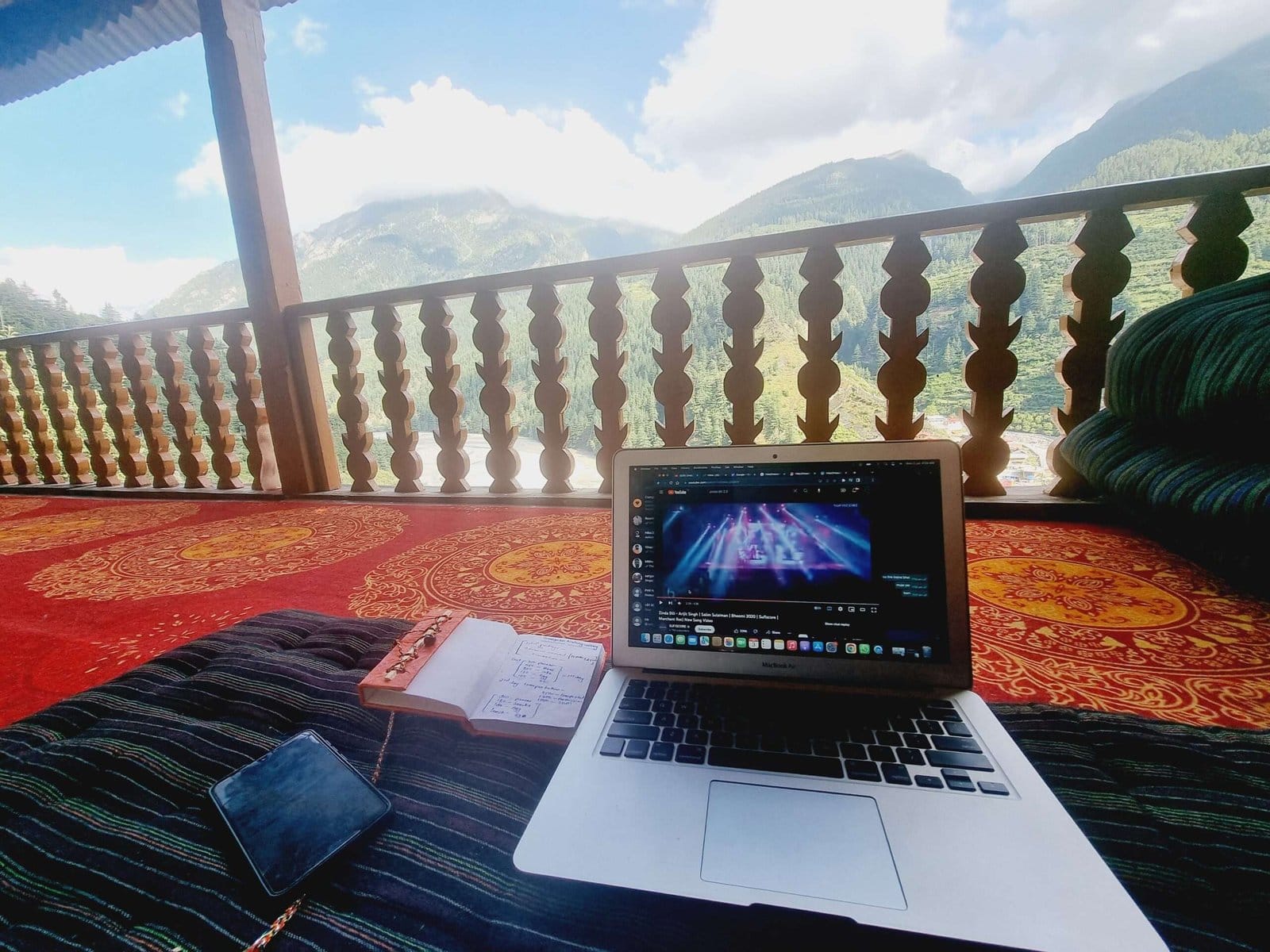
Check into your homestay in Harsil, a serene village known for its apple orchards and natural beauty. Spend the remainder of the day acclimatizing and exploring the quaint village.

Day 2

Harshil to Nelong Valley to Harshil

After breakfast, head out for a day trip to the Nelong Valley, a high-altitude desert landscape close to the Indo-Tibetan border. The valley is known for its rugged terrain, wildlife, and panoramic views of the Himalayan peaks.

After spending the day exploring Nelong Valley, return to your homestay in Harsil. Reflect on the day's journey and the unique landscapes you've witnessed.

Day 3

Harshil to Garthangali to Gangotri Temple to Harshil

Depart from Harsil to visit the sacred Gangotri Temple, one of the Char Dhams in Uttarakhand. The route can include a stop at Garthangali for its breathtaking views.

Spend time at the Gangotri Temple, offering prayers and soaking in the spiritual atmosphere of the place. Explore the surrounding area, including the origin of the Ganga River at Gaumukh, if time permits.

Head back to Harsil in the evening. The return journey offers another chance to enjoy the beautiful landscapes of the Bhagirathi valley.

Day 4

Harshil to Dehradun

After breakfast, begin your journey back to Dehradun. This drive concludes your short but memorable trip to Harsil and the surrounding areas.

Reflect on the experiences of your journey, from the serene beauty of Harsil and the rugged landscapes of Nelong Valley to the spiritual visit to Gangotri Temple. The combination of adventure, spirituality, and natural beauty makes this trip a fulfilling experience.

What's Covered

Inclusions & Exclusions

INCLUSION

  • Accommodation: Stay in tents/guesthouses on twin/triple sharing; base in guesthouse.
  • Meals: Simple, nutritious vegetarian meals provided.
  • Day-wise Meals: Meal plan varies by day.
  • Day 1: Dinner + breakfast next morning.
  • Trek Days: Breakfast, packed lunch, and dinner included.
  • Final Day: Dinner + breakfast before departure.
  • Non-veg meals are not served.
  • Trek Equipment: Sleeping bags, tents, kitchen setup, mattresses, crampons (if needed).
  • Transportation: Included if opted during booking.
  • First Aid: Basic medical kits available.
  • Permits: Forest entry fees and permits included.
  • Guides: Led by trained and experienced trek leaders.

EXCLUSION

  • All kinds of personal expenditures are excluded.
  • Anything that we have not mentioned above.
  • The trek cost is not inclusive of meals bought during the journey on 1st day and last day.
  • Mules or porter charges to carry private baggage.
  • Any kind of emergency evacuation charges.

Getting There

How To Reach

By Air

Dehradun’s airport is the Jolly Grant Airport, which is located 20 km away from the city centre. You can hire a taxi from the airport to reach the city, which should take you 40 to 45 minutes depending upon traffic. link opening

By Train

Dehradun is connected by regular train services to various cities. The Dehradun Railway Station is located 1-2 kilometres away from the city centre and should take you only ten minutes, depending on traffic link opening

By Road

Dehradun is well connected to cities like Delhi, Shimla, Haridwar, Rishikesh, Agra, and Mussoorie by various buses. Most operate from the ISBT near Clement Town, with departures every 15–60 minutes. Additional services run from the Mussoorie Bus Station near the railway station and the Delhi Bus Stand on Gandhi Road.

Location

Trek Route Map

Booking Policy

Cancellation Policy

PolicyUpto 30 days29–21 days21–15 days14–0 days
Batch Shifting
Refund100%50%0%0%

Travel insurance is strongly recommended. No-shows and last-minute cancellations are non-refundable. In case of bad weather or force majeure, the company reserves the right to modify or cancel the itinerary.

Preparation

What To Pack

Clothing & Footwear

  • High-ankle waterproof trekking boots (broken in)
  • Thermal base layer — top & bottom (2 sets)
  • Down jacket (600+ fill power)
  • Windproof & waterproof shell jacket
  • Trekking pants (quick-dry, 2–3 pairs)
  • Woolen gloves + waterproof outer gloves
  • Warm balaclava & beanie hat
  • Woolen socks (4+ pairs)
  • Gaiters for snow and scree

Gear & Essentials

  • 35–45L daypack with rain cover
  • Trekking poles (collapsible, 2 poles)
  • Headlamp with extra batteries
  • Sunscreen SPF 50+ & lip balm with SPF
  • UV-protection polarised sunglasses
  • Personal first aid & altitude medication (Diamox)
  • Water bottles (2L) or hydration bladder
  • Water purification tablets
  • Valid government photo ID (mandatory for permits)

Common Questions

Frequently Asked Questions

Is Nelong valley trek difficult ?

The Nelong valley trek is considered easy , and its definitely doable with proper preparation and a sense of adventure.

How many days is Nelong valley Trek ?

It is a 4 Days and 3 Nights Trek starting from Harsil to Harsil .

Why is Nelong valley famous ?

Nelong Valley is famous for its stunning natural beauty, including snow-capped peaks, lush meadows, and pristine glaciers. Additionally, its historical significance as a trade route between India and Tibet adds to its allure.

What if we want to leave extra luggage at the base village?

You can keep extra luggage in the base village for any particular trek. There are no cloak roo charges applicable. Its free of cost.

What if we want to leave extra luggage at the base village?

You can keep extra luggage in the base village for any particular trek. There are no cloak roo charges applicable. Its free of cost.

Is there mobile signals available on treks?

If you are going on a trek don’t expect mobile signals. There are few spots on the trails of few treks where you might find a single tower or something but it always depends if that is enough to make a call or not.

How do you manage toilets?

We use portable toilet tents for sanitation needs, as permanent structures may not available. These are dry toilets, so please bring wet wipes or tissue paper for personal hygiene.

Do I need to carry trek equipment?

For this trek you just need a day bag to carry during the trek, extra luggage can be left behind at the camp site. Proper bedded swiss tents are available on this trek.

Can we consume Alcohol during the trek?

It’s a strict no. If you fall sick during the trek due to alcohol consumption H2H has the right to cancel your trek and send you back to base village. No expenses shall be refunded in that case and you will have to pay additional for stay at base village.

How do I prepare for the trek?

Start running/walking at least 3-4 Kms everyday.

What kind of shoes will I need? Does a sport shoe work?

If it’s a snow trek a good trekking shoe is mandatory. If you buy a new shoe do walk for few days so that it fits you well and doesn’t leave you with blisters while you trek. If it is a summer trek or post monsoon trek a shoe with good grip and ankle support will do.

₹ 7,999 ₹ 5,800
+GST
Per person Special Offer