Peak Kang Yatse II & Dzo Jongo East Expedition

Trek Details

Duration

13 Days / 12 Nights

Max Altitude

6250 m

Trek Length

95 KM

Difficulty

Hard

Best Season

June to September

Start Point

Leh

End Point

Leh

Nearest Railway

Jammu Tawi Railway Station

Nearest Airport

Kushok Bakula Rimpochee Airport, Leh

  • Overview
  • Itinerary
  • Inclusion
  • How To Reach
  • Policy
  • Packing List
  • FAQs

Best Months for this Trek

Open Closed

Overview

Your Adventure at a Glance

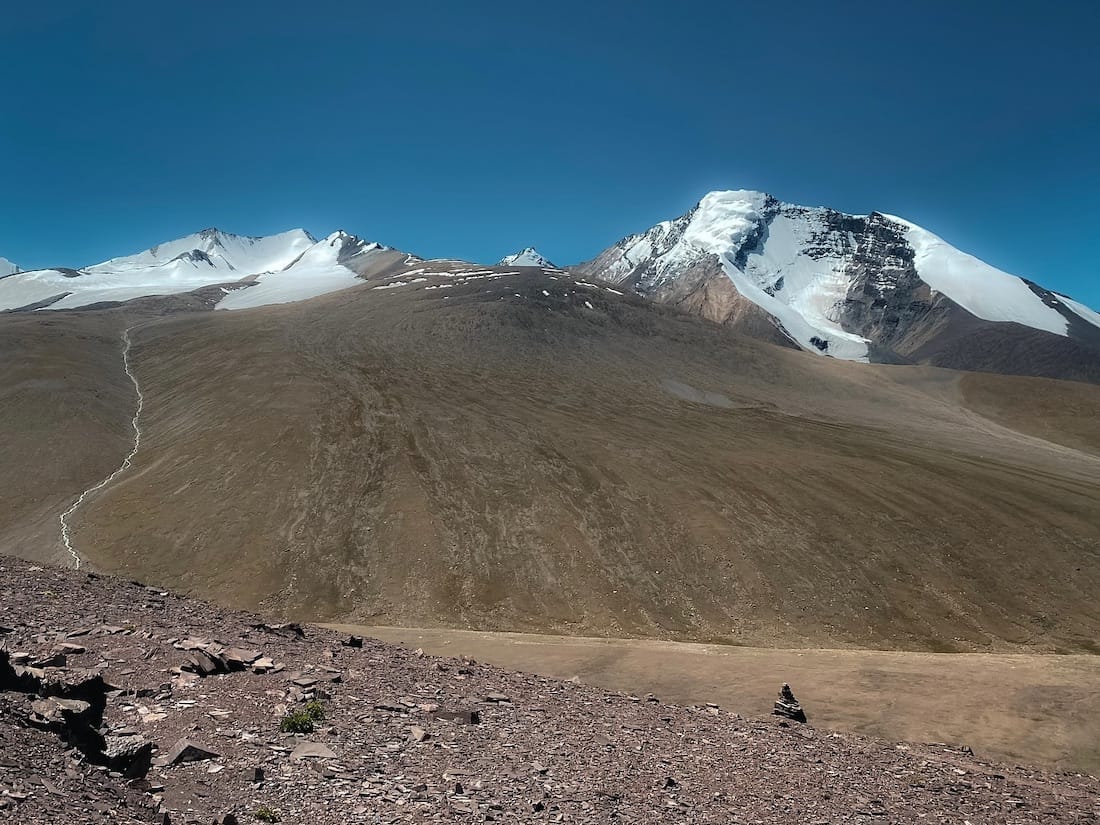
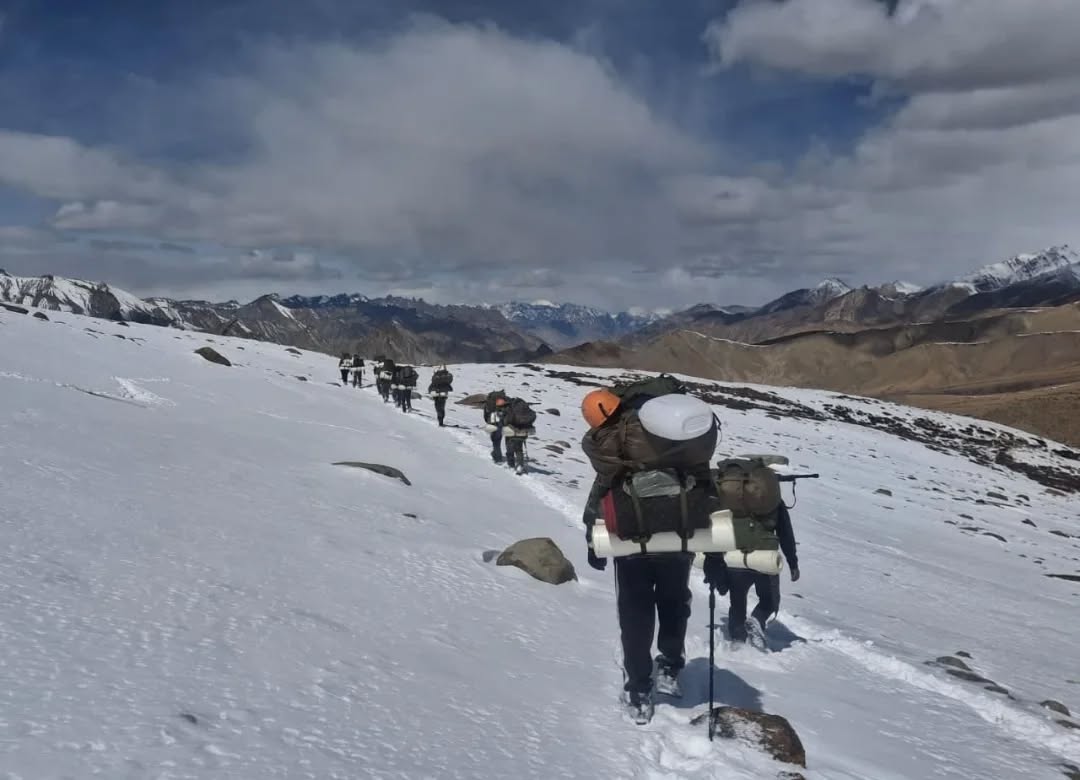
The Twin Peak Kang Yatse II & Dzo Jongo East Expedition with Markha Valley Trek is one of Ladakh’s most thrilling high-altitude adventures, offering trekkers the opportunity to summit two spectacular Himalayan peaks in a single expedition. Combining the famous Markha Valley Trek with the ascents of Kang Yatse II and Dzo Jongo East, this journey delivers an unforgettable mix of trekking, mountaineering, culture, and breathtaking mountain scenery.

Set amidst the dramatic landscapes of Ladakh, the expedition takes trekkers through remote Himalayan villages, ancient monasteries, river crossings, alpine meadows, and rugged mountain terrain. The route gradually builds acclimatization while traversing the beautiful Markha Valley before transitioning into a high-altitude climbing experience.

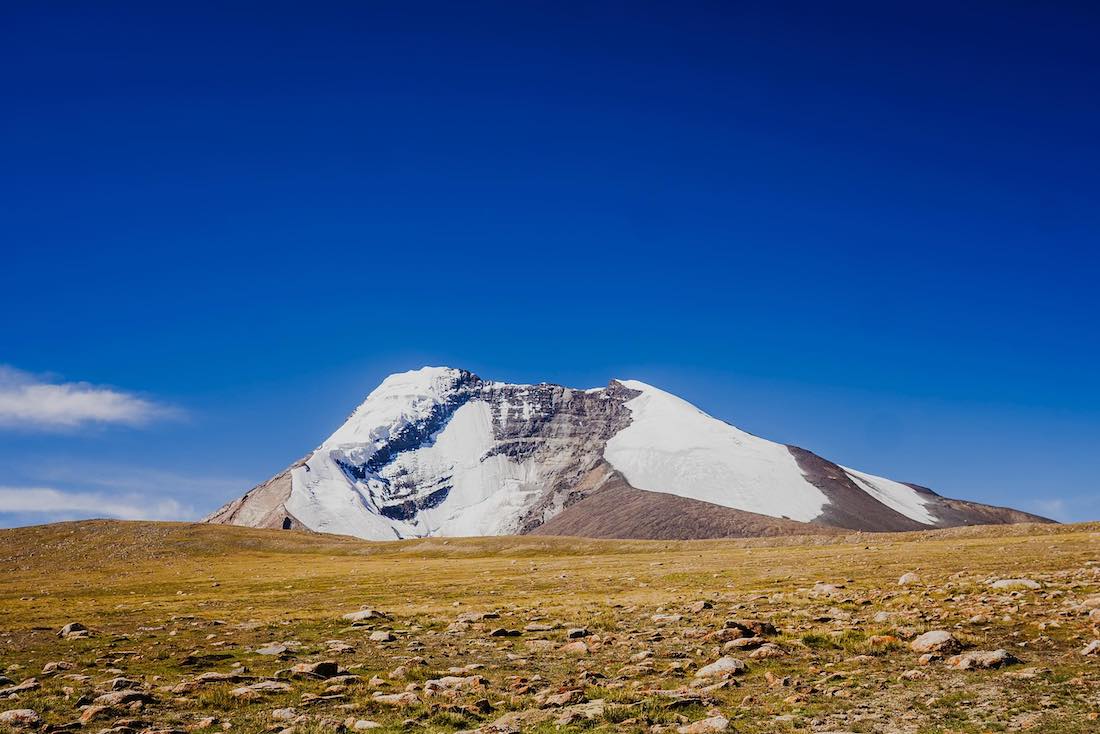
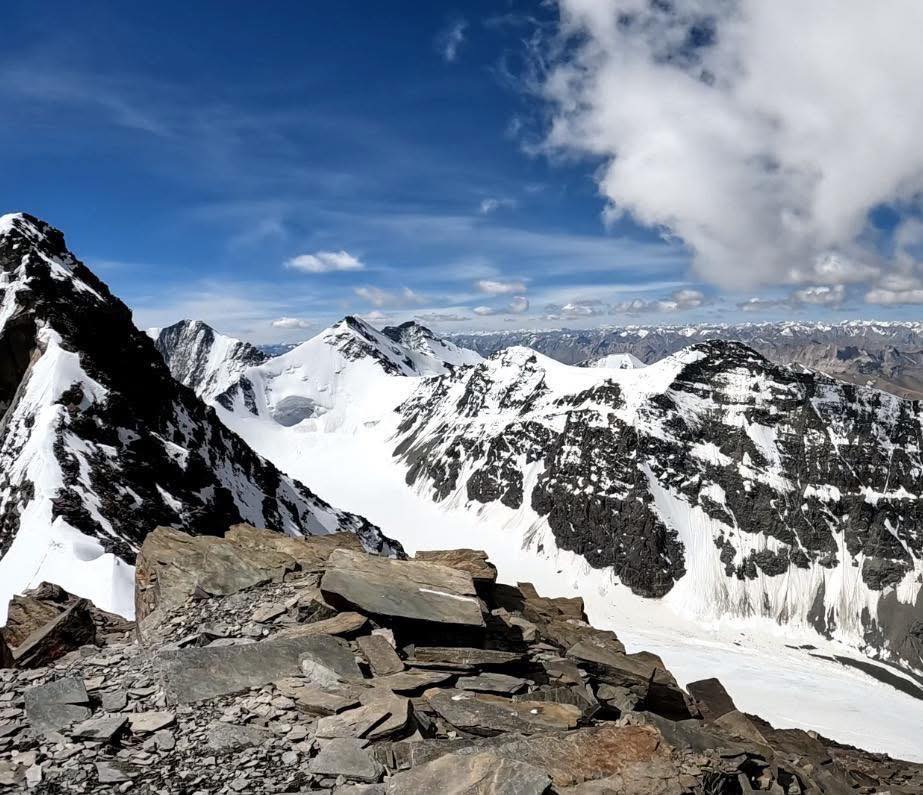
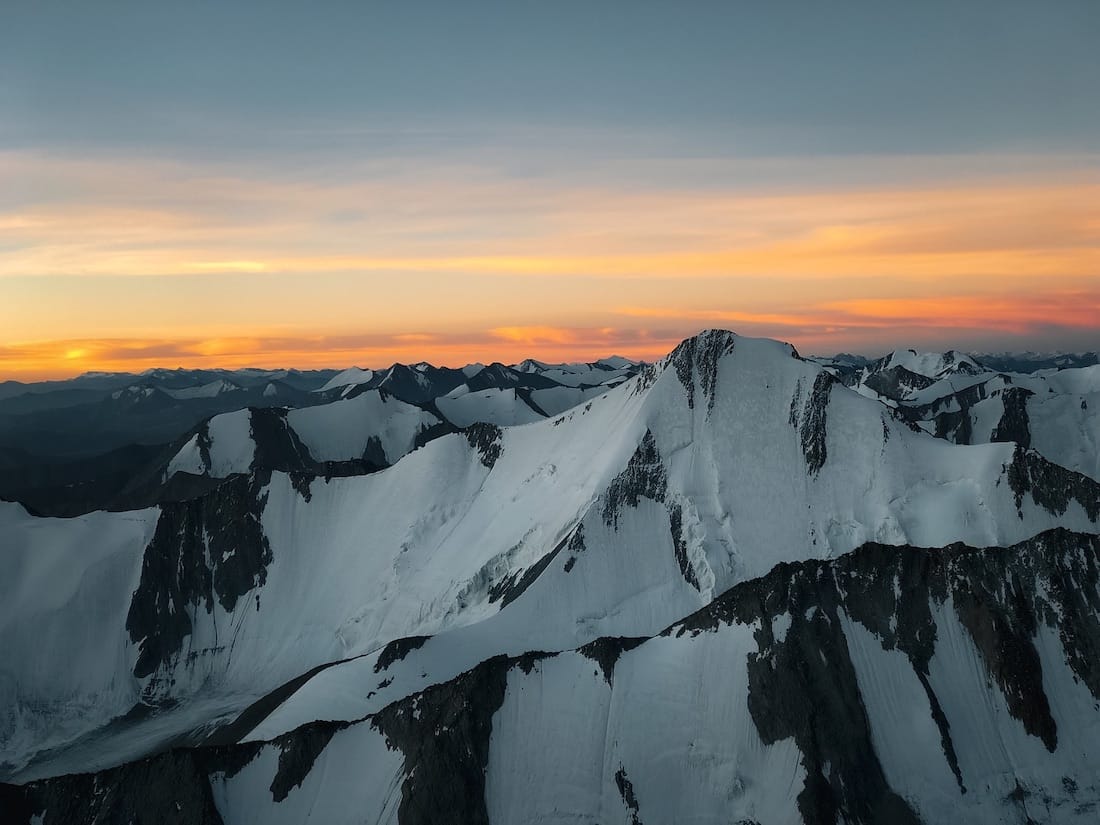
Kang Yatse II, standing at approximately 20,500 ft, is one of the most sought-after trekking peaks in Ladakh. Its summit rewards climbers with panoramic views of the Zanskar Range, Karakoram Range, and surrounding Himalayan giants. Dzo Jongo East, another magnificent 6000-meter peak, offers a quieter and less-crowded climbing experience while showcasing equally stunning views of Ladakh’s vast mountain landscapes.

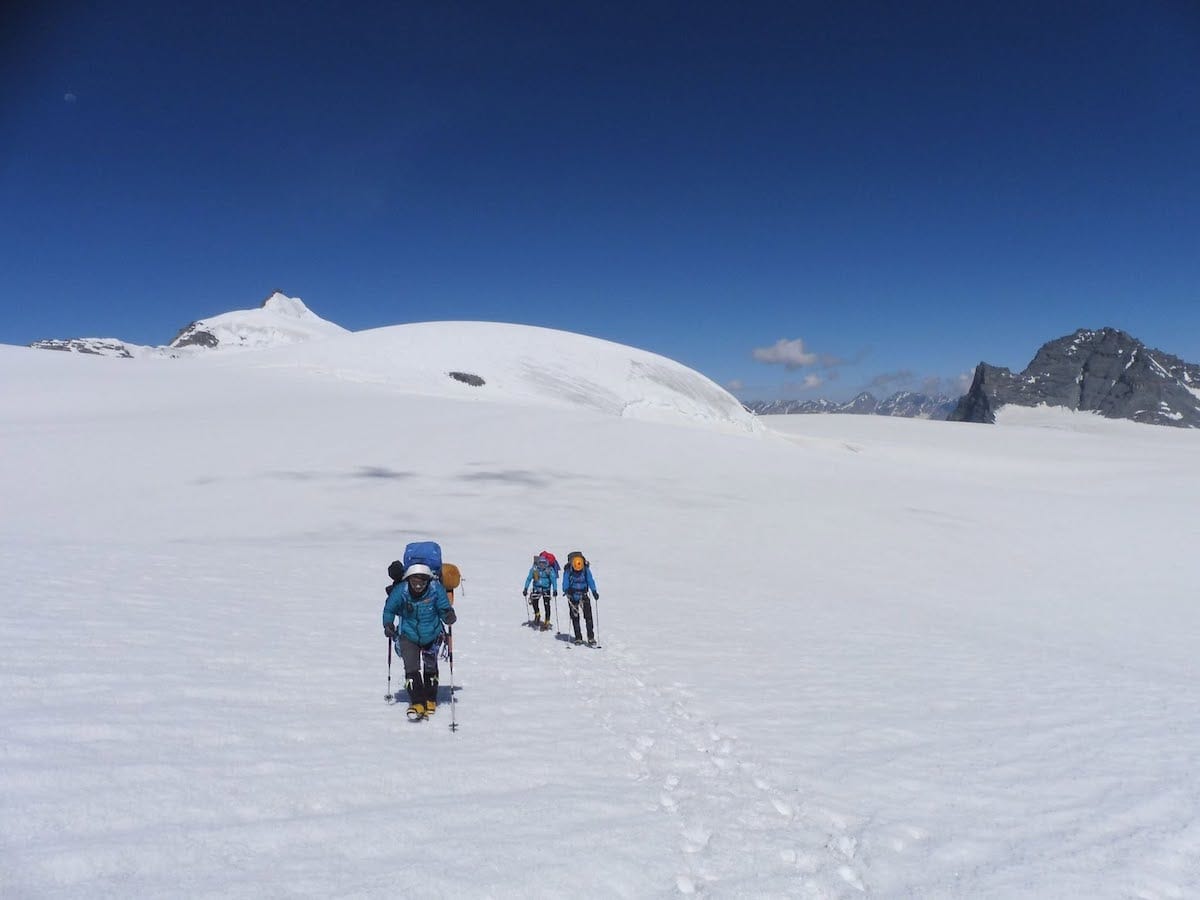
Unlike highly technical mountaineering expeditions, both peaks are considered non-technical to semi-technical, making them suitable for experienced trekkers seeking their first major Himalayan summit experience. Throughout the expedition, trekkers learn the use of basic mountaineering equipment such as crampons, ropes, and ice axes while navigating glacier sections and steep summit slopes.

This expedition is ideal for adventure enthusiasts looking to experience two Himalayan summits, explore the scenic Markha Valley, and challenge themselves at altitudes above 20,000 ft.
About the Trek

Mythology, Best Time & More More

Expedition

Best Time

The ideal time for the Twin Peak Expedition is from June to September. During these months, trails remain accessible, weather conditions are relatively stable, and summit attempts become safer. Clear skies provide exceptional mountain views throughout the journey.

Fitness

Difficulty Level

This expedition is graded as challenging due to its high altitude, long trekking days, glacier sections, and two summit attempts above 20,000 ft. Previous high-altitude trekking experience is strongly recommended.

Locality

Culture

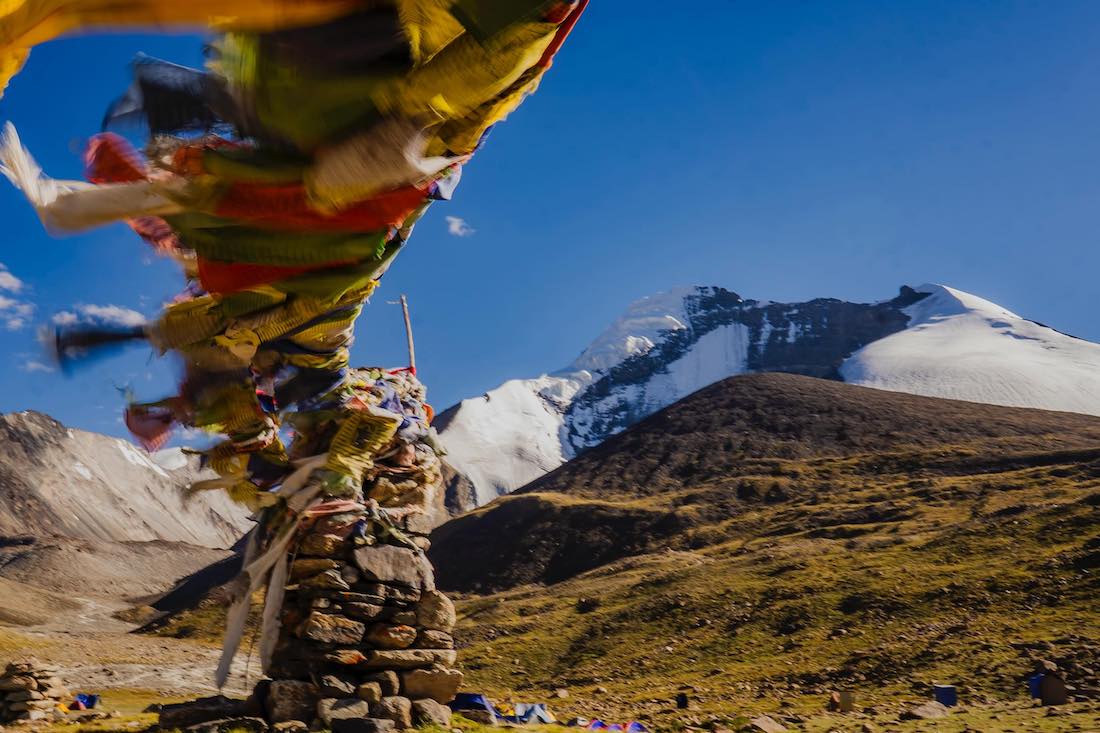
The route passes through traditional Ladakhi villages where trekkers experience Buddhist culture, ancient monasteries, prayer wheels, mani walls, and the simple lifestyle of mountain communities.

Wildlife

Flora and Fauna

The Markha Valley region falls within Hemis National Park, one of India’s most famous high-altitude wildlife habitats. Trekkers may spot marmots, blue sheep, Himalayan birds, and alpine vegetation along the route.

Temparature

Weather

Ladakh experiences a cold desert climate with dry weather and clear skies during the trekking season. Day temperatures remain comfortable, while nights at higher camps can fall below freezing. Summit days are often extremely cold and windy.

Day-by-Day Plan

Trek Itinerary

Day Day 1

Arrival in Leh

Arrive in Leh and spend the day acclimatizing to the high altitude. Attend the mandatory expedition briefing and prepare for the upcoming journey. Explore Leh town at a relaxed pace and avoid strenuous activity.

Day 2

Acclimatization and Sightseeing in Leh

A dedicated acclimatization day. Visit famous Ladakhi attractions such as Shey Monastery, Thiksey Monastery, Hemis Monastery, and Sangam. This gradual exposure helps prepare the body for higher elevations.

Day 3

Drive from Leh to Skiu and Trek to Sara

Drive through the scenic Indus Valley to Skiu, the starting point of the trek. Begin trekking along the Markha Valley trail and continue through beautiful landscapes before reaching Sara village.

Day 4

Sara to Markha

Follow the Markha River through traditional Ladakhi settlements, river crossings, and scenic valley trails. Reach Markha village, known for its monastery, prayer flags, and mountain culture.

Day 5

Markha to Hankar

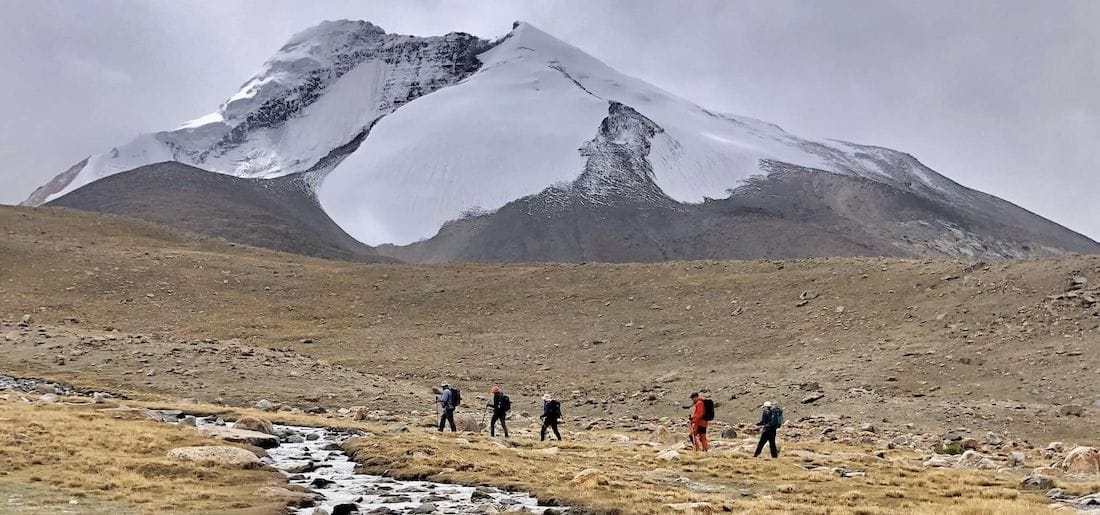
Continue trekking deeper into the valley while gaining altitude. Pass Umlung village and enjoy the first magnificent views of Kang Yatse Peak towering above the surrounding landscape.

Day 6

Hankar to Nimaling

Trek towards the vast alpine meadows of Nimaling. The route offers stunning views of Kang Yatse and surrounding Himalayan peaks. Nimaling is considered one of the most beautiful campsites in Ladakh.

Day 7

Nimaling to Kang Yatse II Base Camp

Leave the main valley route and ascend gradually towards Kang Yatse II Base Camp. The landscape becomes increasingly rugged as you enter the expedition zone.

Day 8

Acclimatization and Technical Training

Spend the day resting, acclimatizing, and learning the use of technical mountaineering equipment. Practice sessions with crampons, ropes, harnesses, and ice axes prepare trekkers for the summit climb.

Day 9

Summit Kang Yatse II and Return to Base Camp

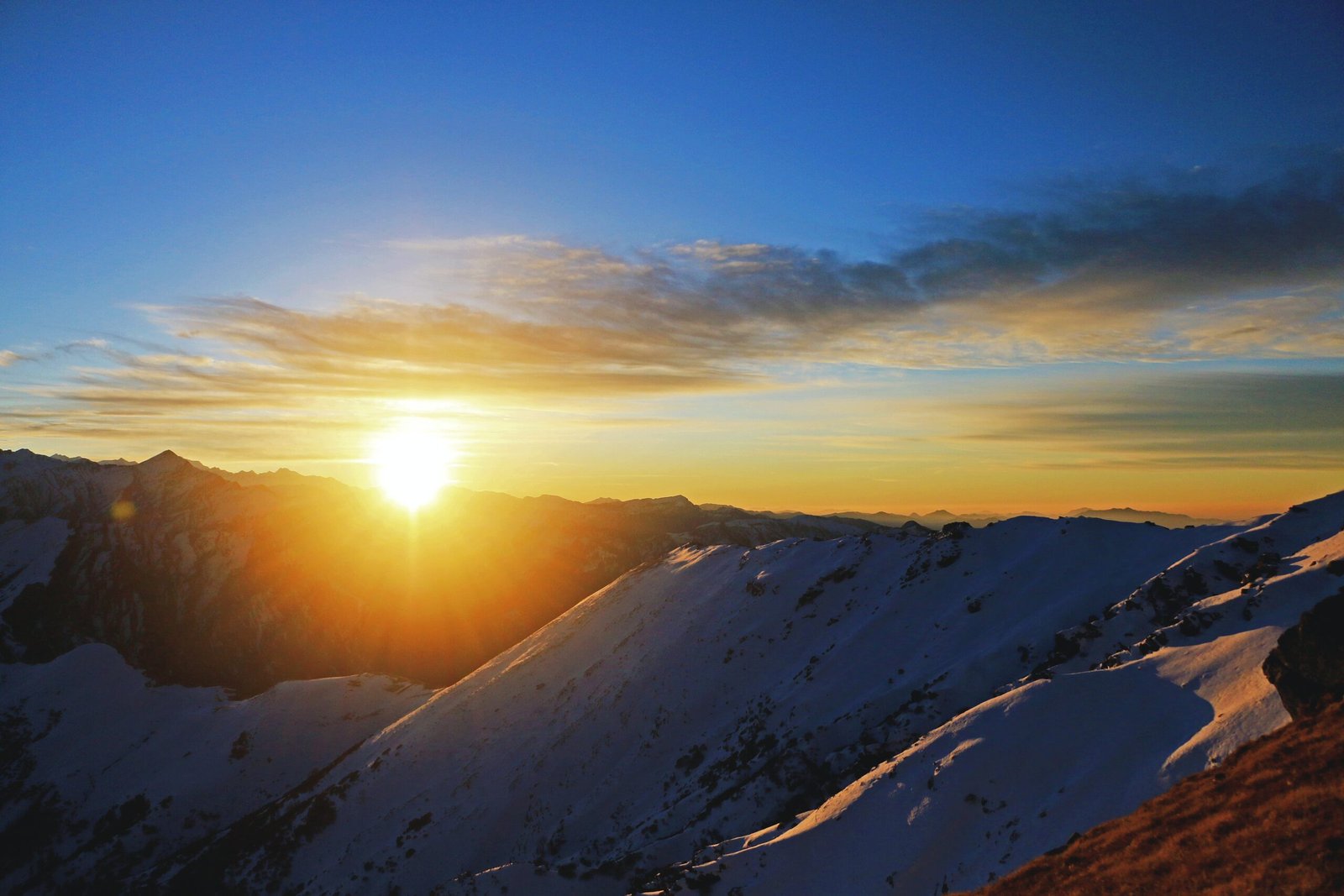
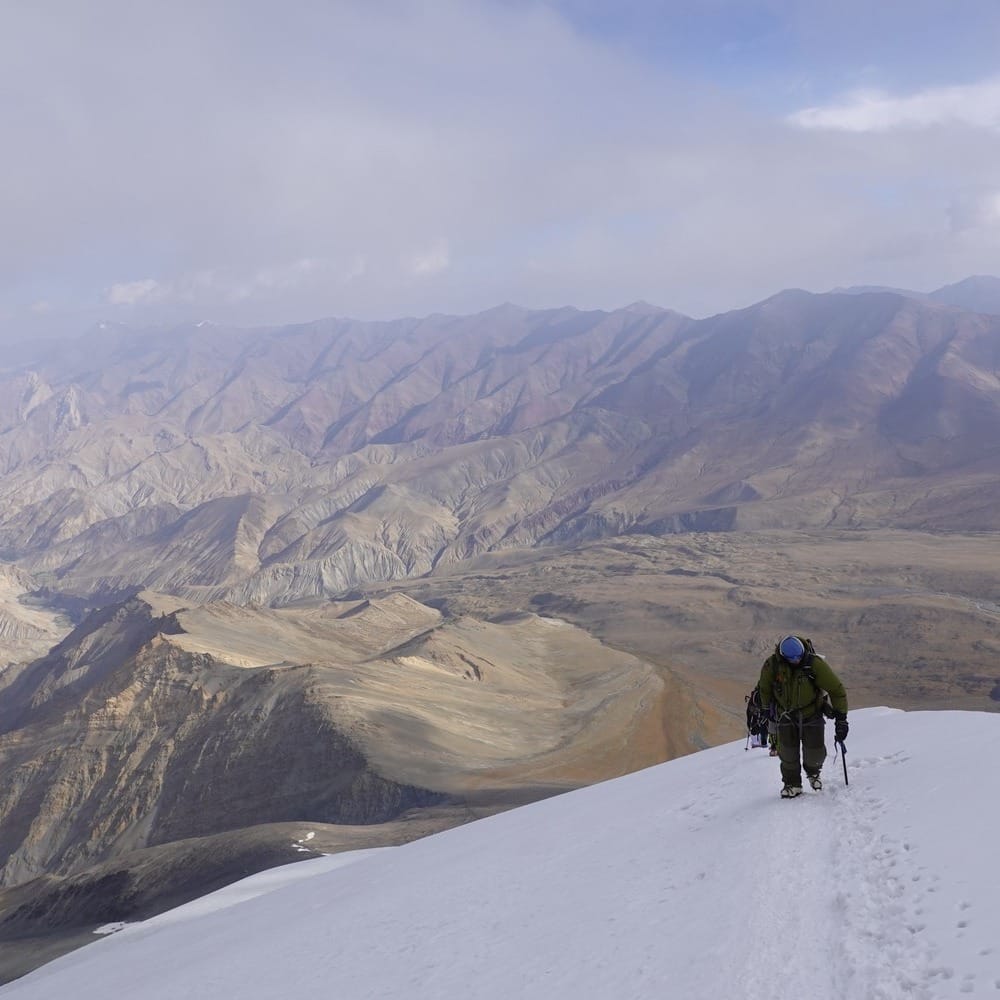
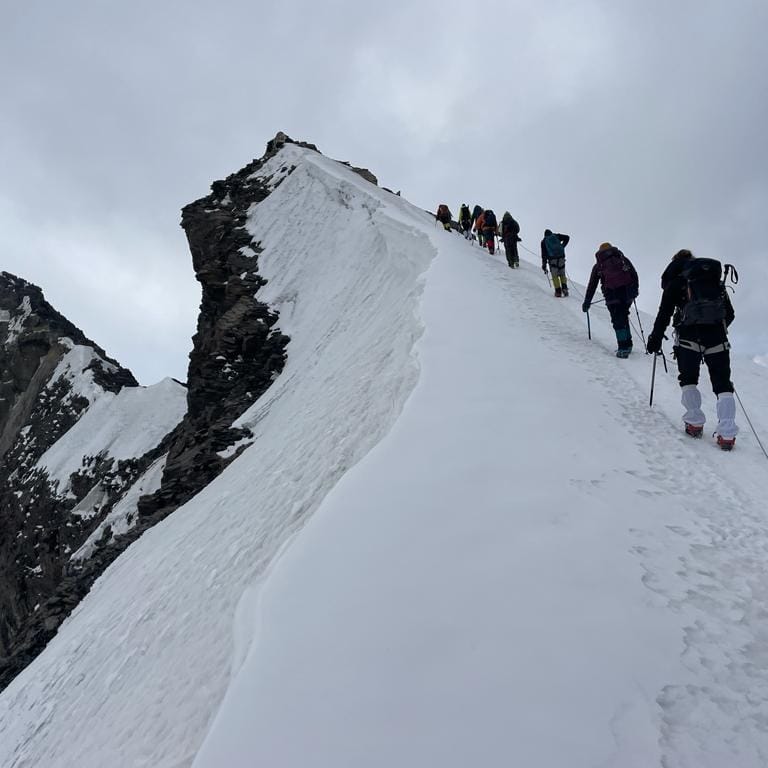
Begin the summit push during the early hours of the night. Climb steadily towards the summit of Kang Yatse II and witness a spectacular sunrise over Ladakh’s mountain ranges. Descend carefully back to base camp after the summit.

Day 10

Base Camp to Dzo Jongo East Base Camp

Move towards Dzo Jongo East Base Camp through high-altitude terrain and remote mountain landscapes. The route offers stunning views of surrounding peaks and valleys.

Day 11

Summit Dzo Jongo East and Return to Base Camp

Start the climb before midnight and ascend towards the summit of Dzo Jongo East. Reach the summit around sunrise and enjoy breathtaking panoramic views of Kang Yatse I, Kang Yatse II, Stok Kangri, and the Changthang region before descending back to base camp.

Day 12

Dzo Jongo East Base Camp to Chokdo via Kongmaru La

Cross the spectacular Kongmaru La Pass at approximately 5,200 meters. Enjoy dramatic views of the Ladakh Range and Indus Valley before descending through rocky terrain towards Chokdo.

Day 13

Drive from Chokdo to Leh

Drive back to Leh through beautiful mountain landscapes and conclude the expedition with unforgettable memories of summiting two Himalayan peaks.

What's Covered

Inclusions & Exclusions

INCLUSION

  • Accommodation: Stay in tents/guesthouses on twin/triple sharing; base in guesthouse.
  • Meals: Simple, nutritious vegetarian meals provided.
  • Day-wise Meals: Meal plan varies by day.
  • Day 1: Dinner + breakfast next morning.
  • Trek Days: Breakfast, packed lunch, and dinner included.
  • Final Day: Dinner + breakfast before departure.
  • Non-veg meals are not served.
  • Trek Equipment: Sleeping bags, tents, kitchen setup, mattresses, crampons (if needed).
  • Transportation: Included if opted during booking.
  • First Aid: Basic medical kits available.
  • Permits: Forest entry fees and permits included.
  • Guides: Led by trained and experienced trek leaders.

EXCLUSION

  • All kinds of personal expenditures are excluded.
  • Anything that we have not mentioned above.
  • The trek cost is not inclusive of meals bought during the journey on 1st day and last day.
  • Mules or porter charges to carry private baggage.
  • Any kind of emergency evacuation charges.

Getting There

How To Reach

By Air

The nearest airport is Kushok Bakula Rimpochee Airport in Leh. Regular flights connect Leh with Delhi, Mumbai, Chandigarh, and Srinagar. Leh serves as the starting and ending point of the expedition.

By Train

The nearest major railway station is Jammu Tawi Railway Station. From Jammu, travelers can continue towards Leh either by road or by taking a connecting flight.

By Road

Leh can be reached through the Srinagar–Leh Highway and the Manali–Leh Highway. Both routes remain open seasonally and offer some of the most scenic road journeys in the Himalayas.

Booking Policy

Cancellation Policy

PolicyUpto 30 days29–21 days21–15 days14–0 days
Batch Shifting
Refund100%50%0%0%

Travel insurance is strongly recommended. No-shows and last-minute cancellations are non-refundable. In case of bad weather or force majeure, the company reserves the right to modify or cancel the itinerary.

Preparation

What To Pack

Clothing & Footwear

  • High-ankle waterproof trekking boots (broken in)
  • Thermal base layer — top & bottom (2 sets)
  • Down jacket (600+ fill power)
  • Windproof & waterproof shell jacket
  • Trekking pants (quick-dry, 2–3 pairs)
  • Woolen gloves + waterproof outer gloves
  • Warm balaclava & beanie hat
  • Woolen socks (4+ pairs)
  • Gaiters for snow and scree

Gear & Essentials

  • 35–45L daypack with rain cover
  • Trekking poles (collapsible, 2 poles)
  • Headlamp with extra batteries
  • Sunscreen SPF 50+ & lip balm with SPF
  • UV-protection polarised sunglasses
  • Personal first aid & altitude medication (Diamox)
  • Water bottles (2L) or hydration bladder
  • Water purification tablets
  • Valid government photo ID (mandatory for permits)

Common Questions

Frequently Asked Questions

Is this expedition suitable for beginners?

No. The expedition is recommended for experienced trekkers due to its high altitude, long trekking days, and summit climbs above 20,000 ft.

What is the maximum altitude reached during the trek?

The highest point is Dzo Jongo East at approximately 20,500 ft (6,250 meters), while Kang Yatse II reaches a similar altitude.

Do I need technical climbing experience?

Advanced mountaineering experience is not mandatory, but trekkers should be comfortable learning and using basic technical gear such as crampons, ropes, and ice axes.

Which summit is more difficult, Kang Yatse II or Dzo Jongo East?

Both are challenging due to altitude, but Kang Yatse II is generally considered slightly more demanding because of its longer summit push and glacier terrain.

What makes this expedition unique?

The expedition combines two Himalayan summits, the famous Markha Valley Trek, high-altitude mountaineering experience, and Ladakh’s unique culture into one comprehensive adventure.

What if we want to leave extra luggage at the base village?

You can keep extra luggage in the base village for any particular trek. There are no cloak roo charges applicable. Its free of cost.

Is there mobile signals available on treks?

If you are going on a trek don’t expect mobile signals. There are few spots on the trails of few treks where you might find a single tower or something but it always depends if that is enough to make a call or not.

How do you manage toilets?

We use portable toilet tents for sanitation needs, as permanent structures may not available. These are dry toilets, so please bring wet wipes or tissue paper for personal hygiene.

Do I need to carry trek equipment?

For this trek you just need a day bag to carry during the trek, extra luggage can be left behind at the camp site. Proper bedded swiss tents are available on this trek.

Can we consume Alcohol during the trek?

It’s a strict no. If you fall sick during the trek due to alcohol consumption H2H has the right to cancel your trek and send you back to base village. No expenses shall be refunded in that case and you will have to pay additional for stay at base village.

How do I prepare for the trek?

Start running/walking at least 3-4 Kms everyday.

What kind of shoes will I need? Does a sport shoe work?

If it’s a snow trek a good trekking shoe is mandatory. If you buy a new shoe do walk for few days so that it fits you well and doesn’t leave you with blisters while you trek. If it is a summer trek or post monsoon trek a shoe with good grip and ankle support will do.

₹ 82,999 ₹ 80,000
+GST
Per person Special Offer